
Movie spotlight
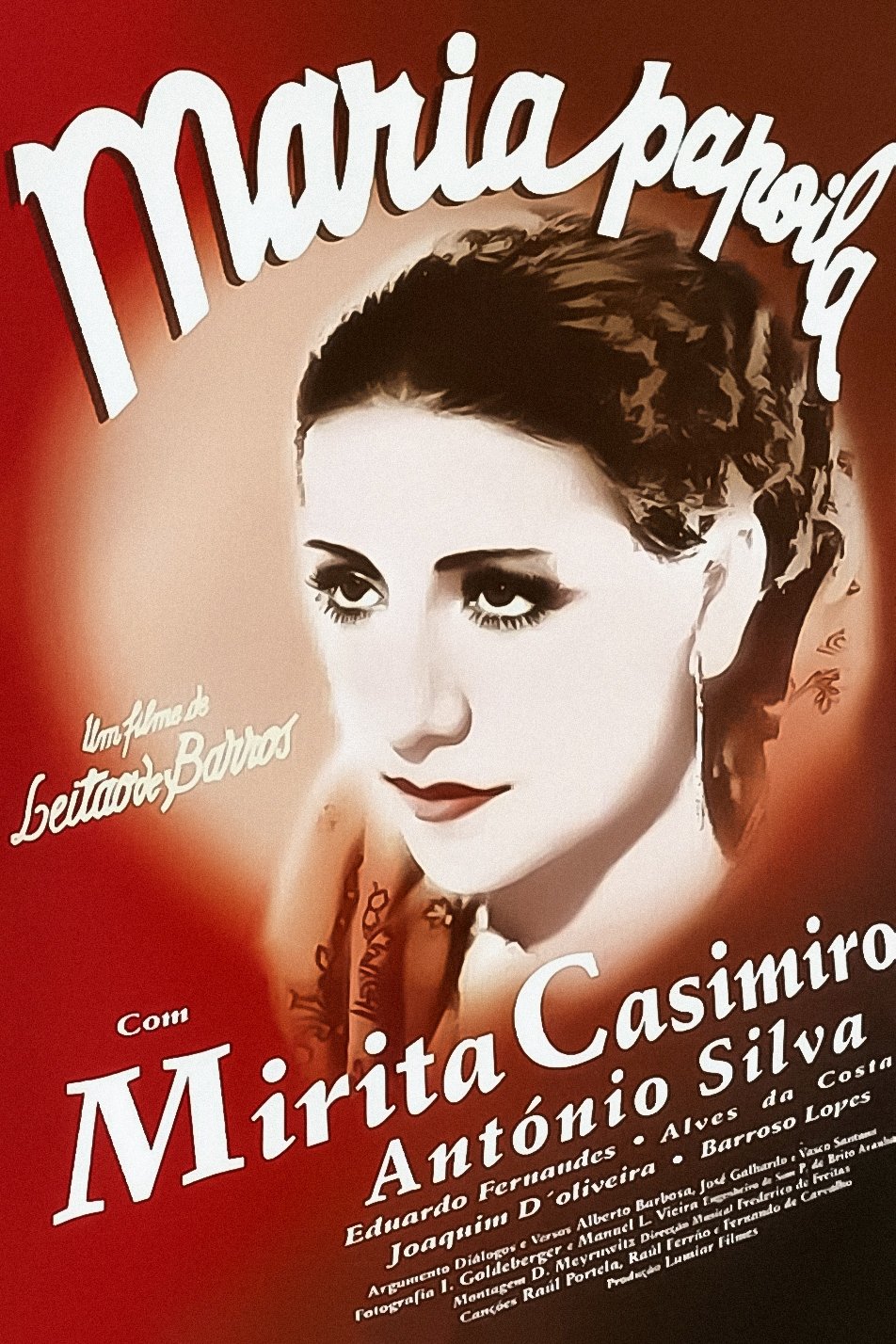
Maria Papoila
Maria Papoila, a shepherdess from Beira working in Lisbon, one day meets a rich young man, Eduardo, whom she assumes to be of her own social standing due to his uniform as a private soldier. Some time later, arrested as a suspect in a major robbery, Eduardo is abandoned by his selfish fiancée, Margarida, and it is the "soup girl" who, although despised in her dream and sacrificing her honor, appears in court as Eduardo's lover, and he is acquitted. Without asking for anything in return, Maria Papoila returns to her village.
Insights
Plot Summary
Maria, a young woman from a humble background, falls in love with a wealthy young man. Their differing social statuses create significant obstacles for their relationship. The film explores themes of social inequality and the challenges faced by those who try to transcend their predetermined circumstances. Maria's journey is one of love, sacrifice, and the pursuit of happiness against societal pressures.
Critical Reception
Released in 1937, 'Maria Papoila' was a significant film in Portuguese cinema, appreciated for its dramatic narrative and portrayal of social dynamics. While specific contemporary critical reviews are scarce due to the era and region, the film was recognized for its emotional depth and the performance of its lead actress. It is considered a notable example of Portuguese melodrama from the pre-war period.
What Reviewers Say
A poignant exploration of class differences impacting romantic relationships.
Features a compelling central performance that anchors the melodrama.
Reflects the social realities and aspirations of its time.
Google audience: Information on Google user reviews for 'Maria Papoila' from 1937 is not available.
Fun Fact
Ana Maria, the lead actress, was the director's wife and this film is often cited as her most memorable role in Portuguese cinema.
AI-generated overview · Verify ratings on official sources