
Movie spotlight
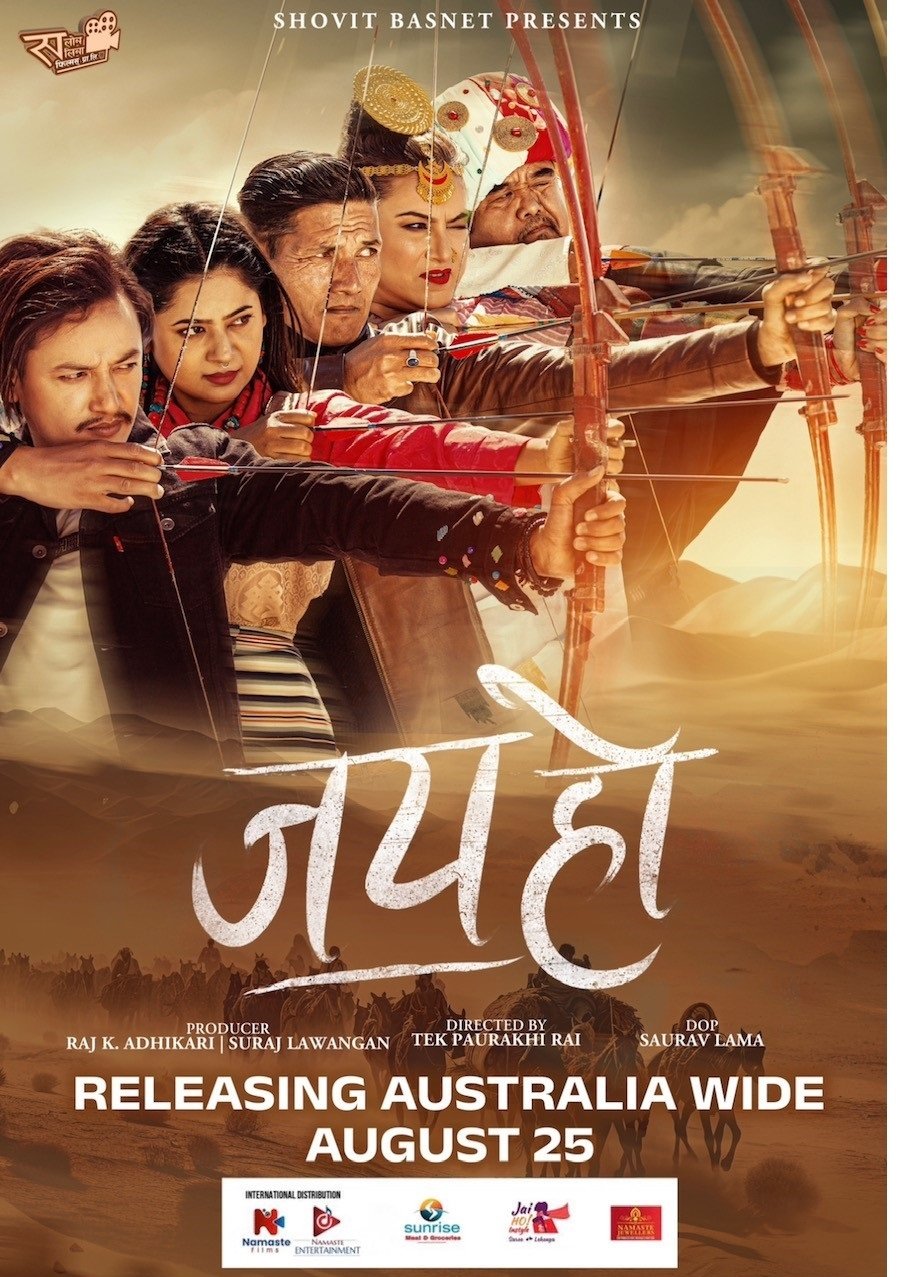
Jai Ho
A compelling & emotional story about Sajina's journey of self-discovery and finding love & care with Jay. The conflict with her past and the rivalry between Jay & her ex-boyfriend, Ashok, adds tension to the plot. It will be interesting to see how Sajina navigates her choices and decides between her past life and her new friends. The story seems to explore themes of love, friendship & personal growth.
Insights
Plot Summary
A retired army officer, Jai Agnihotri, dedicates his life to fighting corruption and injustice. He uses his strong moral compass and his formidable skills to take on powerful and corrupt individuals, often with the help of ordinary citizens. His unwavering commitment to upholding the law and protecting the innocent leads him into numerous challenging and dangerous confrontations.
Critical Reception
Jai Ho received mixed to negative reviews from critics. While the performances of Salman Khan and Danny Denzongpa were noted, the film was widely criticized for its predictable plot, excessive length, and formulaic action sequences. Audiences were also divided, with some appreciating Khan's heroic persona and the underlying message against corruption, while others found the execution lacking.
What Reviewers Say
Praised for Salman Khan's star power and a relevant anti-corruption message.
Criticized for a lengthy, predictable, and over-the-top narrative.
Action sequences were seen as repetitive and lacking originality.
Google audience: Audiences appreciated Salman Khan's performance and the film's attempt to address social issues like corruption. However, many felt the movie was too long, lacked engaging moments, and relied too heavily on established tropes, leading to a somewhat disappointing overall experience for some.
Fun Fact
The film was originally conceived as a remake of the 2006 Telugu film 'Stalin' starring Chiranjeevi, but was significantly rewritten and adapted for the Bollywood audience with Salman Khan in the lead.
AI-generated overview · Verify ratings on official sources