IMDb8.2/10
Google Users95%
Director: Ramesh Sippy•Genres: Action, Adventure, Comedy, Drama, Musical
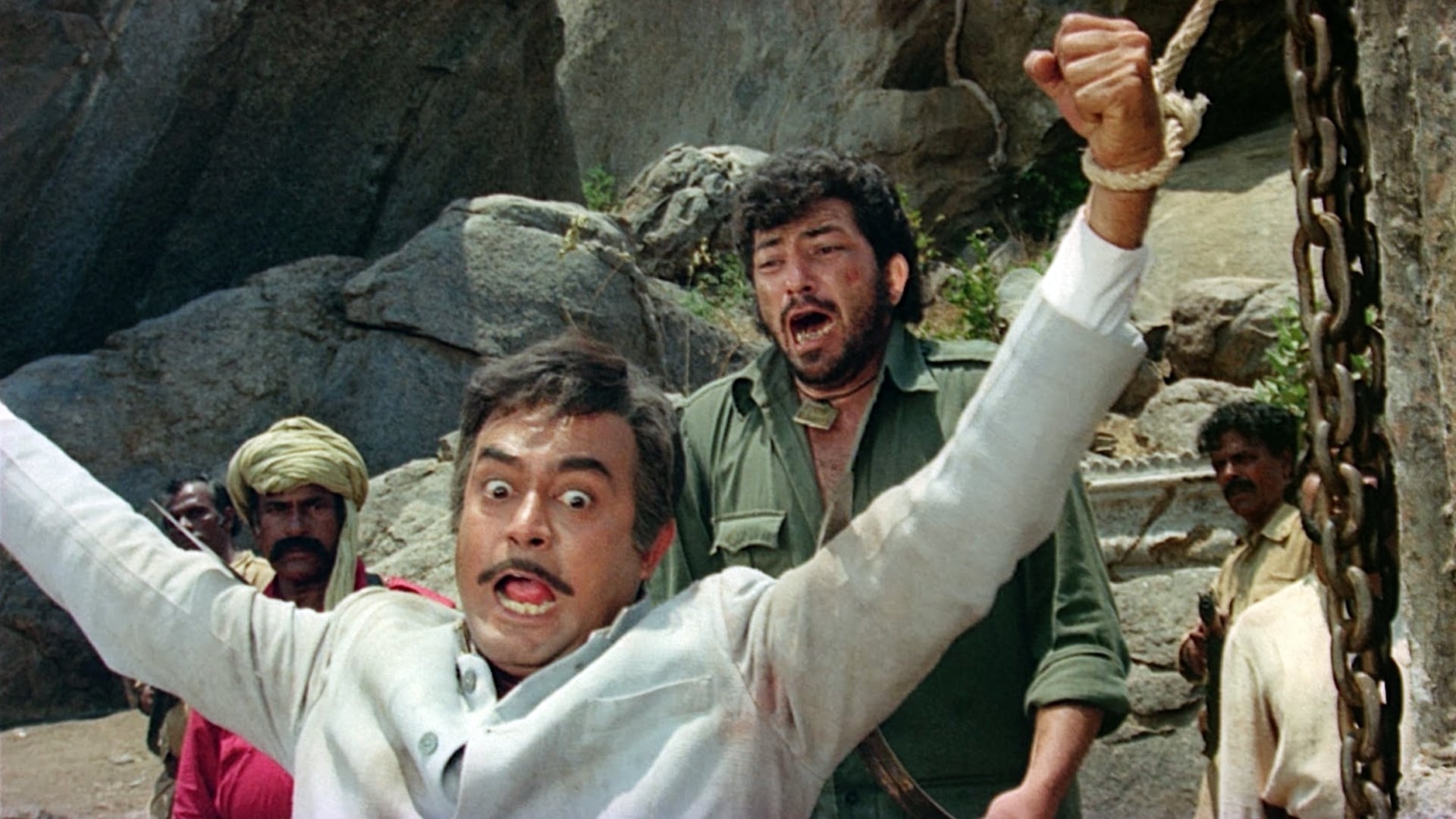
In the remote village of Ramgarh, the ruthless dacoit Gabbar Singh terrorizes the inhabitants. To combat this menace, Thakur Baldev Singh, a former police officer seeking revenge against Gabbar, hires two small-time convicts, Jai and Veeru. The duo are tasked with capturing Gabbar alive, a mission that tests their wit, bravery, and friendship as they face overwhelming odds.
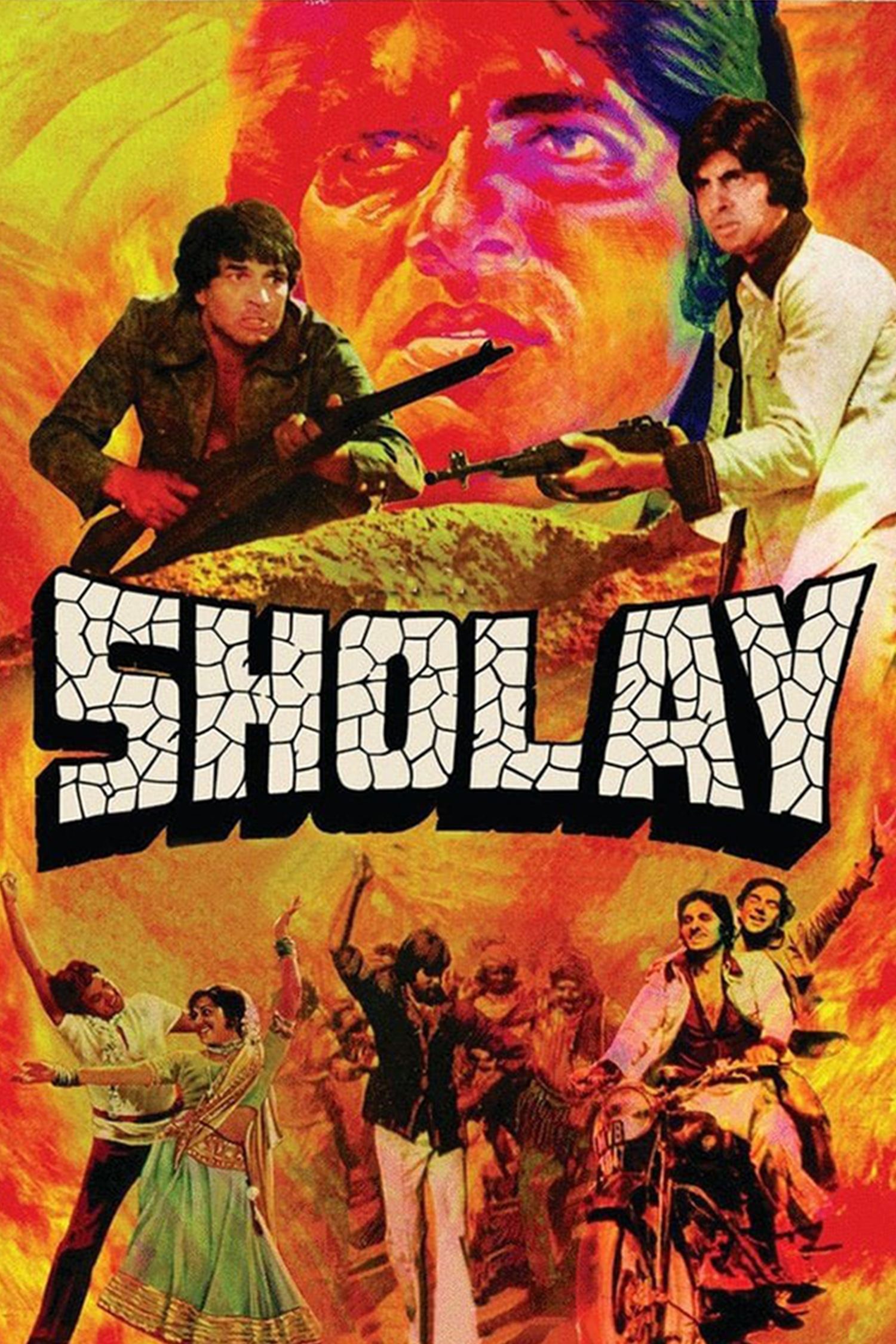
Sholay is widely regarded as a landmark film in Indian cinema, achieving immense critical acclaim and unprecedented commercial success. It is celebrated for its epic scale, powerful performances, iconic dialogues, and blend of action, drama, and comedy, setting new standards for Bollywood blockbusters.
Praised for its grand cinematic spectacle and enduring action sequences.
Hailed for the unforgettable performances, particularly Amjad Khan as Gabbar Singh.
Lauded for its witty dialogues and memorable characters that have become cultural touchstones.
Google audience: Google users overwhelmingly appreciate Sholay for its thrilling action, iconic villain, and entertaining storyline, often citing its rewatchability and status as a classic film.
Won 5 Filmfare Awards including Best Film, Best Director, and Best Action, and was nominated for Best Actor and Best Supporting Actor. It also won the National Film Award for Best Feature Film.
The iconic character of Gabbar Singh was inspired by a real-life dacoit named Gabbar Singh, who was active in the Chambal ravines.
AI-generated overview · Verify ratings on official sources