Movie spotlight
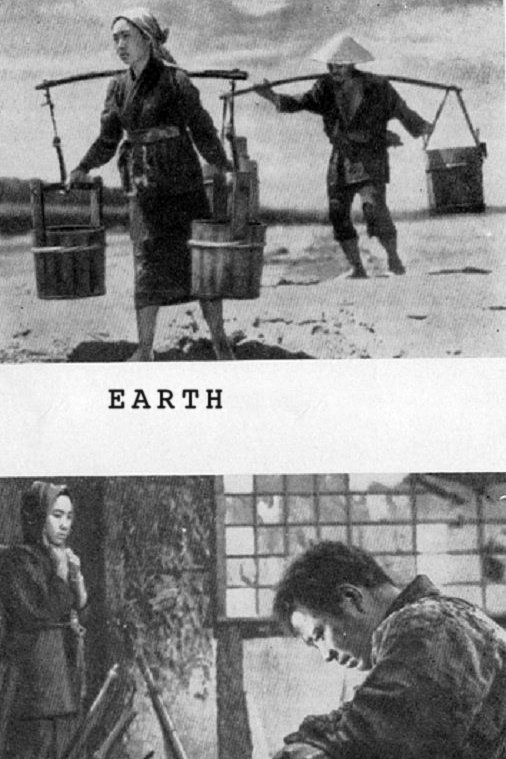
Earth
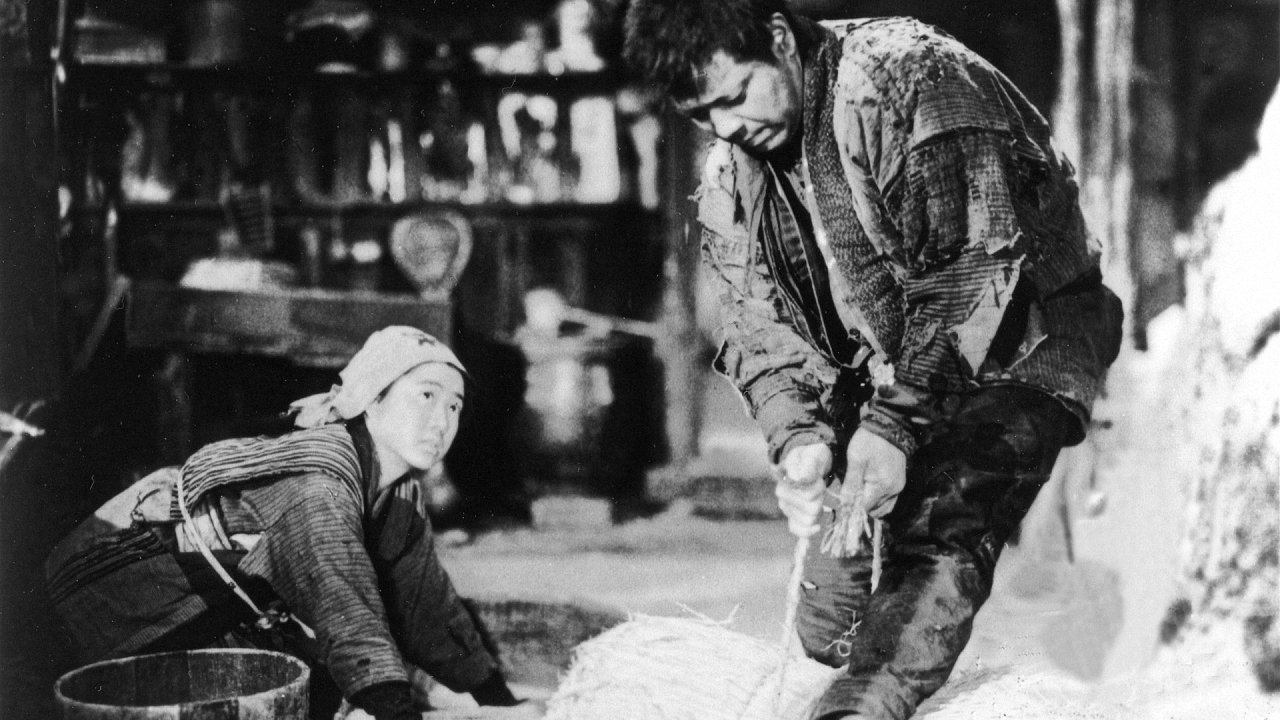
Kanji is a poor peasant widower who struggles to earn a living for his daughter and himself and to pay off his father-in-law's debts.
Insights
Plot Summary
The film depicts the collectivization of Ukrainian agriculture in the 1930s. It follows the struggles of a collective farm as it faces resistance from individual farmers and the hardships of implementing new farming techniques. The story culminates in a confrontation between the collective farmers and those who oppose the changes, highlighting the dramatic societal shifts of the era.
Critical Reception
Upon its release, 'Earth' was initially met with controversy and censorship in the Soviet Union due to its portrayal of collectivization. However, it has since been recognized internationally as a masterpiece of Soviet cinema, celebrated for its poetic imagery, powerful storytelling, and its complex, albeit officially sanctioned, depiction of a turbulent period in Ukrainian history. It is often lauded for its artistic merit despite the ideological undertones.
What Reviewers Say
Praised for its visually stunning cinematography and poetic, lyrical style.
Acknowledged for its powerful portrayal of the struggles and triumphs of Soviet collectivization.
Considered a seminal work of Soviet cinema despite its controversial initial reception.
Google audience: Information on specific Google user reviews for 'Earth' is not readily available due to its historical context and primary distribution platforms.
Fun Fact
The film's initial reception in the Soviet Union was so negative that Joseph Stalin himself reportedly intervened, criticizing its perceived anti-collectivist undertones, leading to its temporary ban.
AI-generated overview · Verify ratings on official sources