Movie spotlight
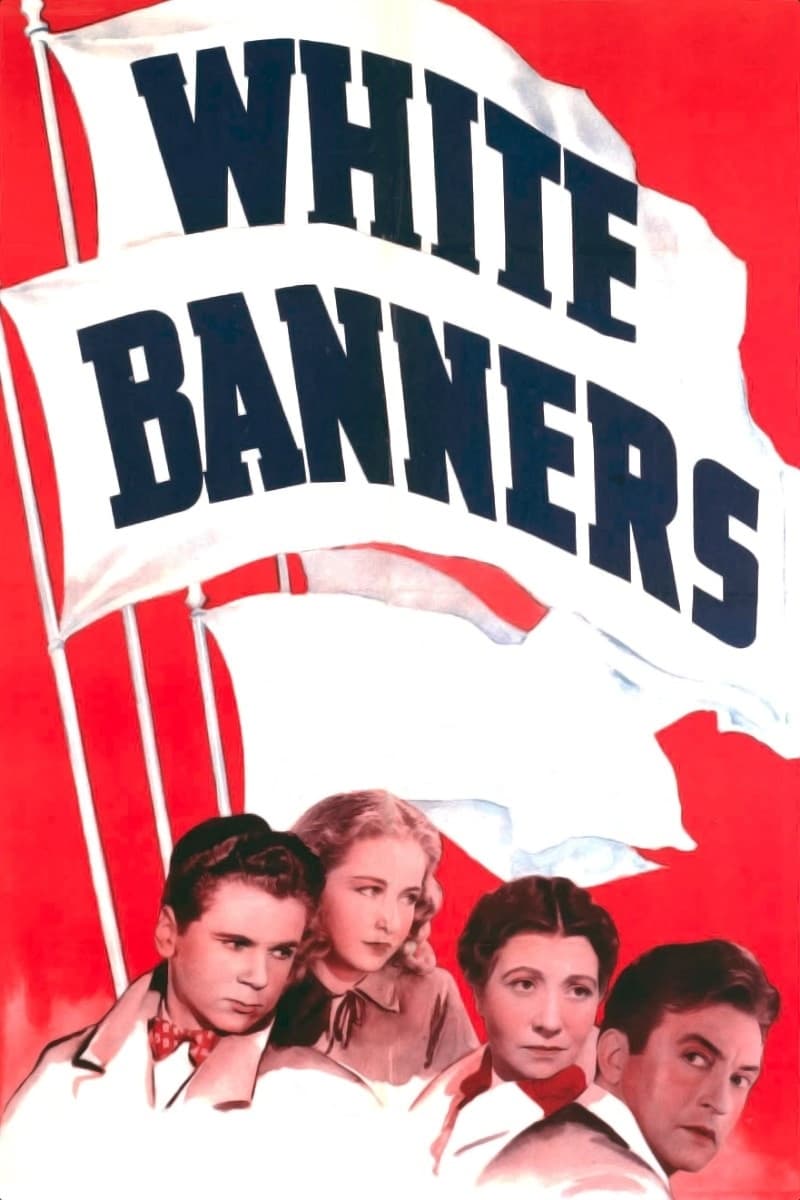
White Banners
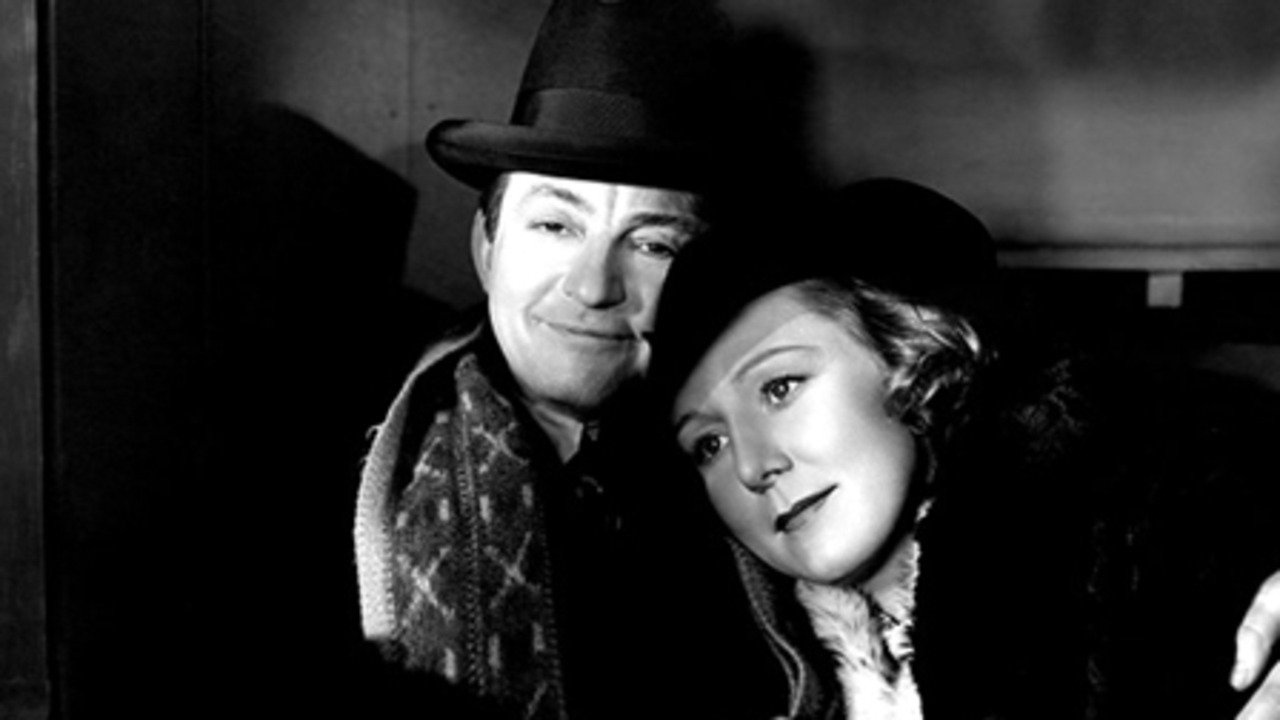
A homeless woman named Hannah drifts into the lives of the kindly Ward family, in a small Indiana town in 1919. Hannah makes herself useful as a cook and housekeeper and stays with the Wards... but her real interest is in meeting their neighbor, teenager Peter Trimble. It turns out that Peter is the son she bore out of wedlock and gave up for adoption, and now Hannah has returned to town to see what sort of young man her son has become.
Insights
Plot Summary
A determined schoolteacher, Hannah Parrish, arrives in a small Indiana town in 1875, bringing with her a young orphan boy she intends to educate. She immediately faces opposition from the town's wealthy and influential brewer, John Sawyer, who is also the father of one of her students and has a troubled past. As Hannah works to secure a future for the boy and herself, she uncovers secrets about Sawyer and his family, leading to a dramatic confrontation.
Critical Reception
Upon its release, "White Banners" received mixed to positive reviews, with many critics praising Clara Blandick's performance and the film's earnest, albeit sometimes melodramatic, storytelling. While some found the narrative a bit sentimental, it was generally appreciated for its exploration of themes like perseverance, class, and hidden truths in a small-town setting.
What Reviewers Say
Praised for its strong lead performance and emotional depth.
Some found the plot overly sentimental and predictable.
Appreciated for its themes of resilience and small-town drama.
Google audience: Audience reception is not readily available through common aggregators, but historical reviews suggest it was seen as a respectable drama of its time, appealing to those who enjoyed character-driven stories.
Fun Fact
The film was based on the novel of the same name by Lloyd C. Douglas, who also wrote "The Robe."
AI-generated overview · Verify ratings on official sources