
Movie spotlight
Uncovering Our Earliest Ancestor: The Link
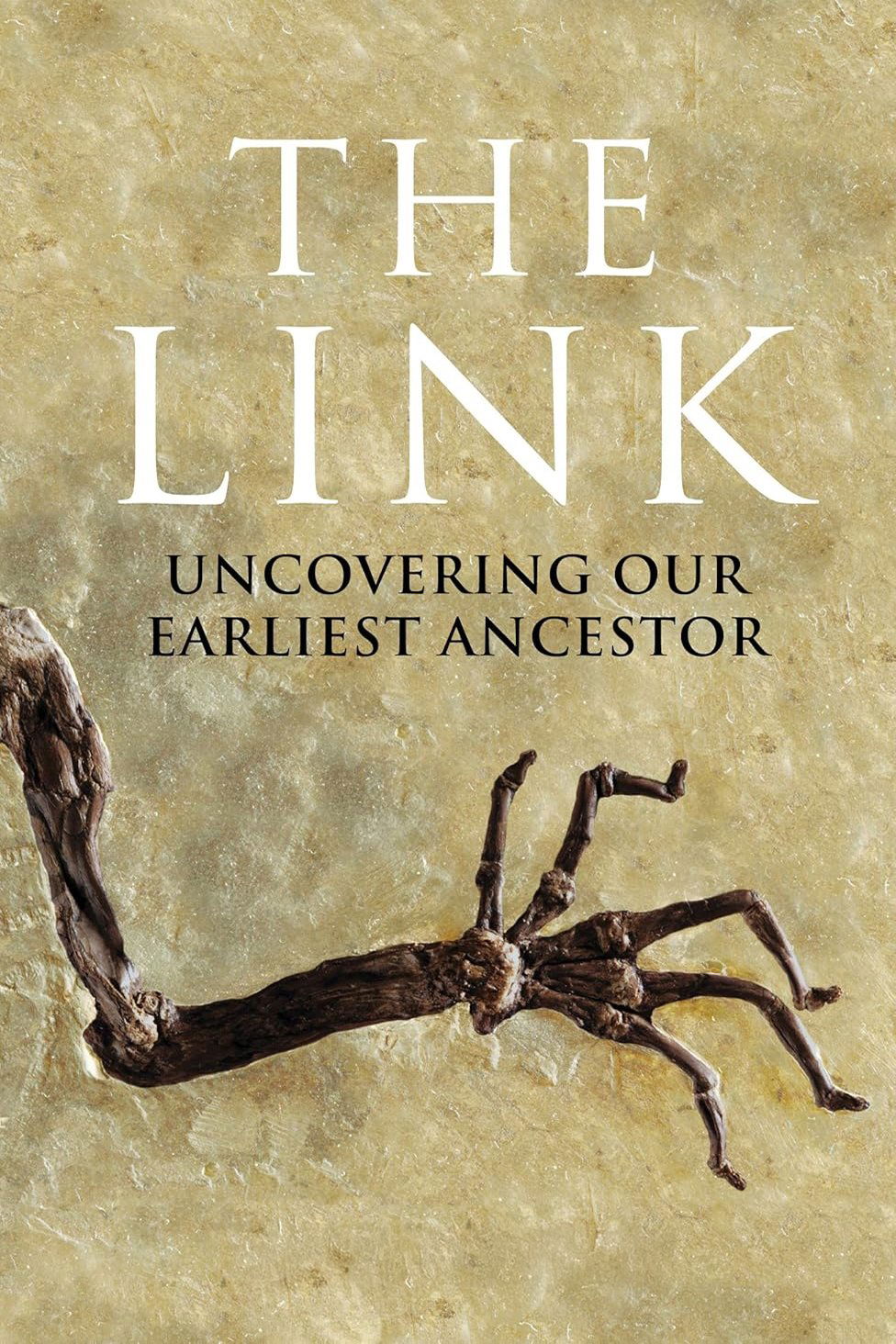
Explores the story behind the discovery of an early primate fossil, Darwinius masillae, nicknamed Ida, in a shale quarry in Germany. The fossil is believed to be around 47 million years old, and is extraordinarily well-preserved. Originally unearthed in 1983, Ida lay in the hands of a private collector for 20 years before it was shown to a Norwegian paleontologist, Dr Jørn Hurum. Realising that Ida could turn out to be a significant missing link between modern primates, lemurs and lower mammals, he persuaded the Natural History Museum in Oslo to purchase the fossil and assembled an international team of experts to study it. Their findings were announced in a press conference and the online publication of a scientific paper on 19 May 2009.
Insights
Plot Summary
This documentary explores the fascinating journey of human evolution, tracing our lineage back to our earliest ancestors. It delves into the scientific discoveries and breakthroughs that have helped us piece together the puzzle of where we came from. The film highlights key moments and figures in paleoanthropology and genetics, revealing the intricate connections that link modern humans to ancient hominids.
Critical Reception
While specific critical reviews for 'Uncovering Our Earliest Ancestor: The Link' are not widely aggregated, documentaries focusing on human evolution and presented by reputable figures like Richard Dawkins generally receive positive attention for their educational value and ability to synthesize complex scientific information for a broad audience. Viewers often appreciate the clear explanations and compelling visuals used to illustrate evolutionary concepts.
What Reviewers Say
Presents complex evolutionary concepts in an accessible manner.
Visually engaging and informative for those interested in human origins.
Leverages expert insights to provide a comprehensive overview.
Google audience: Audience reception for this specific documentary is not widely documented. However, similar nature and science documentaries often receive praise for their educational content and engaging presentation of scientific facts.
Fun Fact
The documentary features insights from Svante Pääbo, a Nobel Prize laureate recognized for his groundbreaking work on the genomes of extinct hominins, including the Neanderthals and Denisovans.
AI-generated overview · Verify ratings on official sources