Movie spotlight
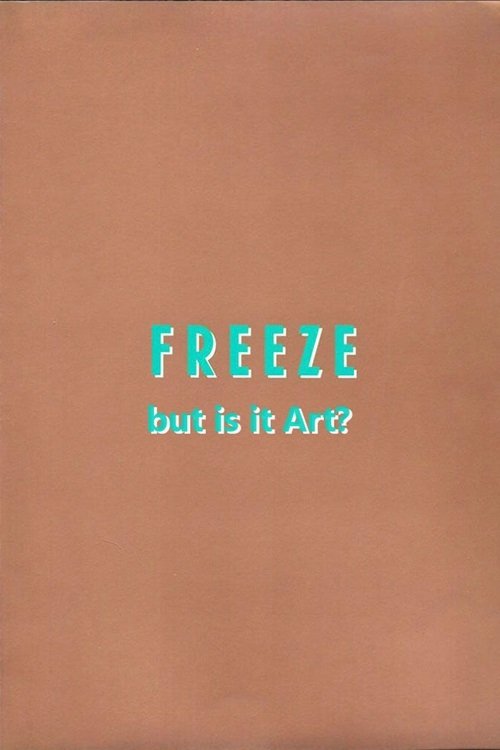
Freeze: But is it Art?
In 1988, art student Damien Hirst and a group of like-minded associates mounted an exhibition in a building in the East End of London. Entitled Freeze, it was a huge critical and commercial success, propelling Hirst and the group into the spotlight of the avant-garde. More than five years later, Hirst exhibits to international acclaim and is regularly derided in the tabloid press. This portrait of Hirst, which resumes the Omnibus season, is presented as a drug-induced nightmare after Hirst has been put to sleep by a sinister dentist, played by Donald Pleasence. In between interviews with fellow Freeze artists including Angus Fairhurst , Sarah Lucas and Tracey Emin , Hirst is seen preparing Mother and Child Divided, his work for last year's Venice Blennale. The piece consists of a cow and a calf, each sawn in half, pickled in formaldehyde and exhibited in four tanks.
Insights
Plot Summary
This documentary explores the nature of art through the lens of a controversial art installation. It delves into the creation process, public reaction, and critical debate surrounding the piece, questioning the boundaries of artistic expression. The film features interviews with artists, critics, and the public, offering diverse perspectives on what constitutes 'art'. It ultimately prompts viewers to consider their own definitions and interpretations of artistic value.
Critical Reception
Reviews for "Freeze: But is it Art?" were mixed, with many critics acknowledging its thought-provoking premise but questioning its execution. Art publications generally found it to be a competent, if uninspired, exploration of a provocative topic, while general audiences were divided, with some appreciating the discussion and others finding it too niche or academic. The film's impact was largely confined to discussions within the art world.
What Reviewers Say
Praised for its exploration of art's subjective nature.
Criticized for lacking a strong narrative drive.
Found to be more intellectually stimulating than visually engaging.
Google audience: Audience reviews are scarce, but those available suggest a divided reception. Some viewers found the documentary to be an interesting and challenging look at the art world, appreciating the questions it raised about creativity and definition. Others felt the film was too abstract and failed to provide concrete answers, leading to a sense of detachment.
Fun Fact
The 'art' featured in the documentary is a controversial installation by artist Damien Hirst titled 'The Physical Impossibility of Death in the Mind of Someone Living', which consists of a tiger shark preserved in formaldehyde.
AI-generated overview · Verify ratings on official sources