
Movie spotlight
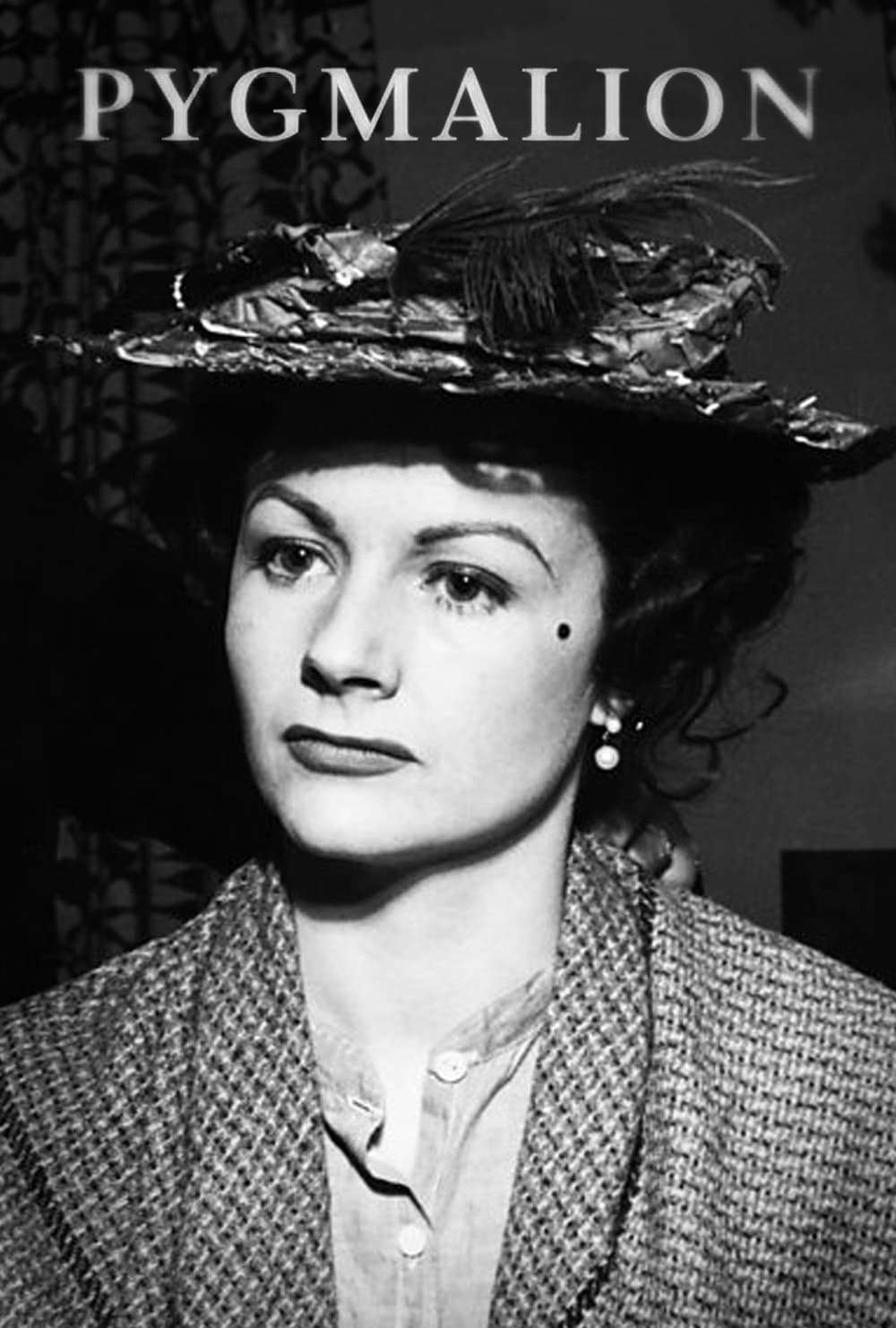
Pygmalion
Can Professor Higgins transform flower-girl Eliza Dolittle into a great lady?
Insights
Plot Summary
A phonetician, Professor Henry Higgins, makes a bet that he can transform a Cockney flower girl, Eliza Doolittle, into a lady by teaching her to speak and behave like one. As Eliza undergoes the intense tutelage, she grapples with her changing identity and the societal expectations placed upon her. The experiment, while successful in its superficial aims, forces both Higgins and Eliza to confront their true feelings and the complex nature of class and personal transformation.
Critical Reception
The 1948 film adaptation of George Bernard Shaw's 'Pygmalion' was generally well-received, praised for its witty dialogue and strong performances, particularly from Wendy Hiller as Eliza Doolittle. While it adhered closely to Shaw's original play, some critics noted a slight softening of the more biting social commentary found in the stage version. Nonetheless, it was considered a faithful and engaging cinematic translation.
What Reviewers Say
Praised for its faithful adaptation of Shaw's witty play.
Wendy Hiller's performance as Eliza Doolittle was a standout.
The film successfully captures the charm and social commentary of the original work.
Google audience: Information regarding specific Google user reviews for the 1948 film 'Pygmalion' is not readily available.
Awards & Accolades
Nominated for the Academy Award for Best Picture. Wendy Hiller won the Best Actress award at the Venice Film Festival.
Fun Fact
This was the first film adaptation of 'Pygmalion' to be produced in the United Kingdom, despite the play's long history and previous successful adaptations.
AI-generated overview · Verify ratings on official sources