
Movie spotlight
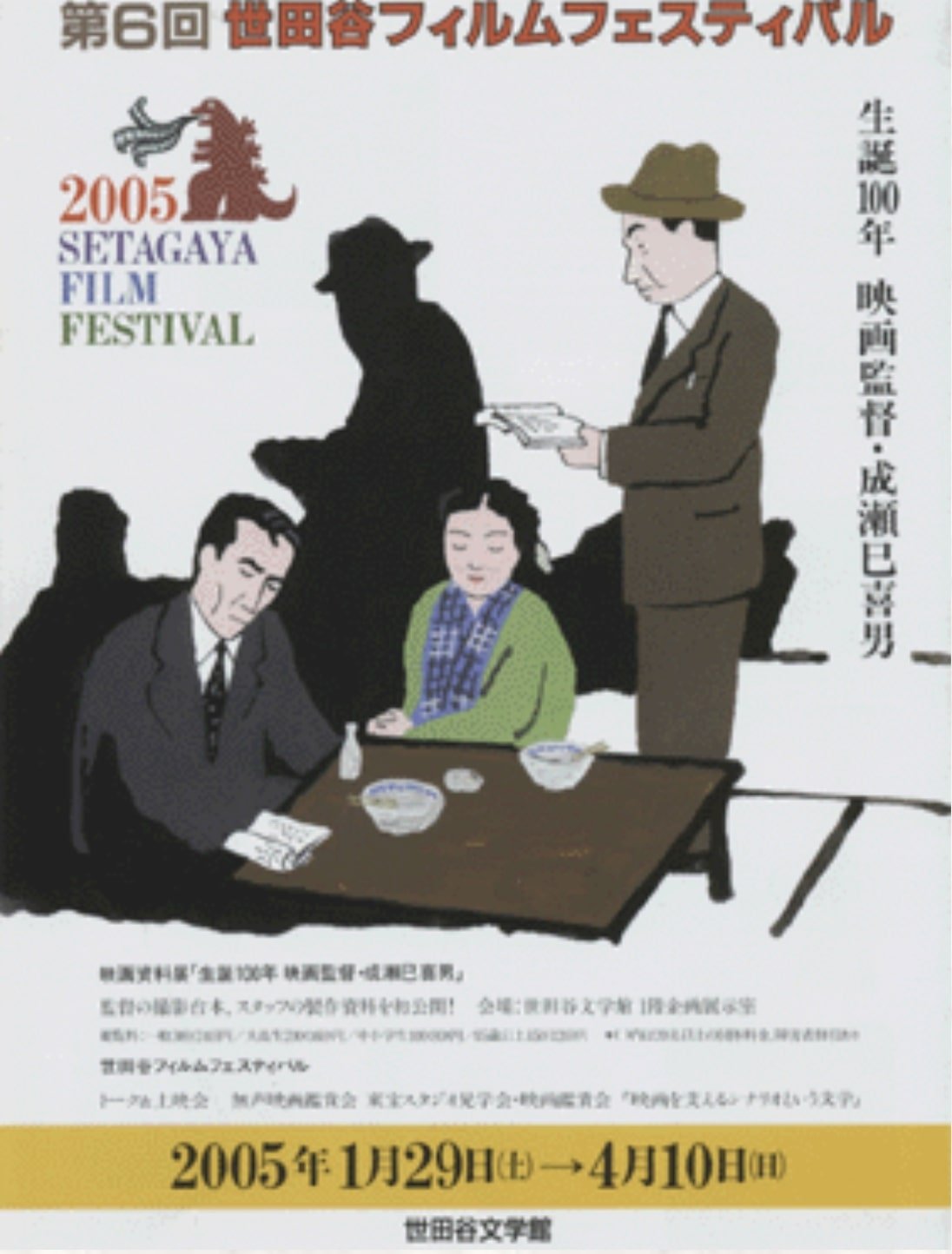
Mikio Naruse 100th Birth Anniversary
Because his style was similar to that of Yasujiro Ozu, who was already active at Shochiku, he moved to PCL (currently Toho) in 1933, where he appeared in the talkie works "My Wife, Like a Rose" and "Tsuruhachi Tsurujiro." It got attention. There were times when he was unable to make as many films as he wanted due to wartime film regulations and post-war Toho disputes, but in 1951 he revived his career with Meshi. Since then, he has released masterpieces one after another, including "Okaasan," "Lightning," "The Couple," "Wife," "Anii Mouto," "Sounds of the Mountain," and "Bangiku." The pinnacle of his work, "Floating Clouds," is Kenji Mizoguchi's "Wife." Even director Ozu was impressed, calling it a masterpiece of Japanese cinema, on par with "The Sisters of Gion." He depicted ordinary people in everyday life with an everyday realism that was not influenced by lyricism, and he consistently sought out women as his subjects.
Insights
Plot Summary
This entry refers to a retrospective film series celebrating the centenary of the birth of acclaimed Japanese director Mikio Naruse. The series would have showcased a selection of his significant works, offering audiences a chance to explore his distinct cinematic style and thematic concerns. It served as an important cultural event for film enthusiasts and scholars alike.
Critical Reception
As this is a retrospective event rather than a single film, critical reception is focused on the programming and curation of the series itself. Such retrospectives are generally well-received by critics and film historians for their educational value and for highlighting the work of significant filmmakers, often leading to renewed critical appreciation for the director's oeuvre.
What Reviewers Say
A valuable opportunity to engage with the masterworks of Mikio Naruse.
Praised for bringing attention to a pivotal figure in Japanese cinema.
Often highlighted the artistic and thematic depth of Naruse's films.
Google audience: Audience reception for such anniversary events is typically positive, with many expressing gratitude for the chance to see classic films on the big screen and learn more about a celebrated director's legacy.
Awards & Accolades
None notable (as it is a retrospective event, not a film with awards)
Fun Fact
Mikio Naruse is often considered one of the most important and influential directors in the history of Japanese cinema, known for his sensitive portrayals of women and his realistic depictions of everyday life, particularly during the post-war era.
AI-generated overview · Verify ratings on official sources