Insights
Plot Summary
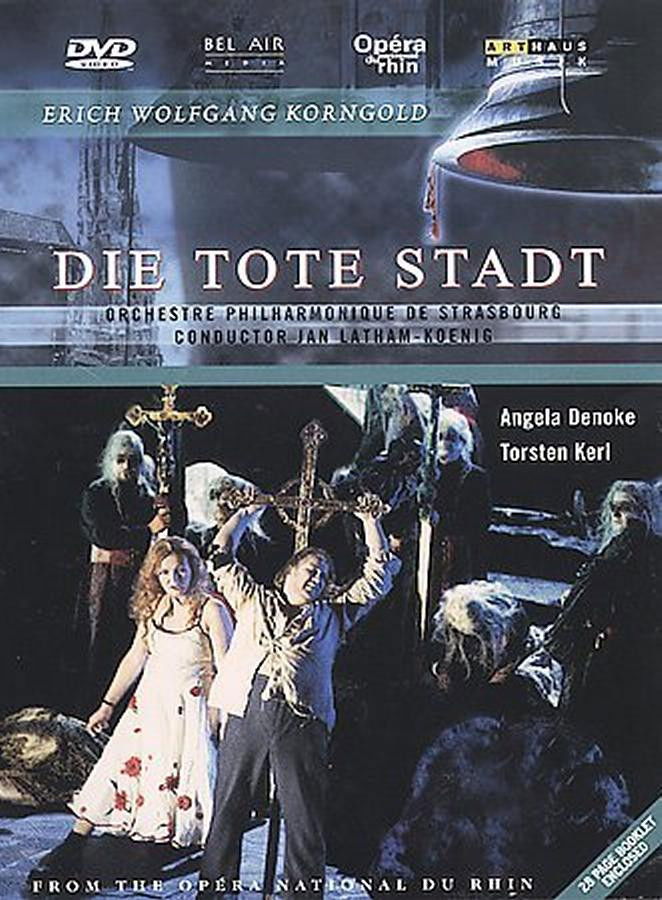
Paul, a grieving composer haunted by the death of his wife Marie, lives in Bruges, Belgium. He becomes obsessed with Marietta, a young woman who strongly resembles his deceased wife. As his fixation grows, the lines between reality, memory, and hallucination blur, leading him deeper into a dreamlike and increasingly disturbing world. The opera 'Die tote Stadt' explores themes of love, loss, obsession, and the fragile nature of the human psyche.
Critical Reception
Erich Wolfgang Korngold's opera 'Die tote Stadt' (The Dead City) was a significant success upon its premiere in 1920, earning acclaim for its lush, Wagnerian-inspired score and its dramatic, albeit sometimes melodramatic, storyline. While initially celebrated, its intense emotionality and somewhat dated libretto have led to a more divided reception over the decades, though its musical richness continues to be appreciated by opera enthusiasts.
What Reviewers Say
Praised for its evocative and romantic score, showcasing Korngold's early compositional genius.
Criticized for a libretto that can be seen as melodramatic and overly sentimental.
Recognized for its psychological depth and exploration of grief and obsession.
Google audience: Audience reception for 'Die tote Stadt' is generally positive, with many appreciating the opera's emotional power and Korngold's lush orchestration. Some find the story a bit dated or overly dramatic, but the musicality often overcomes these criticisms.
Fun Fact
The opera's score was completed by Korngold when he was just 23 years old, though it premiered in 1920, when he was 27.
AI-generated overview · Verify ratings on official sources