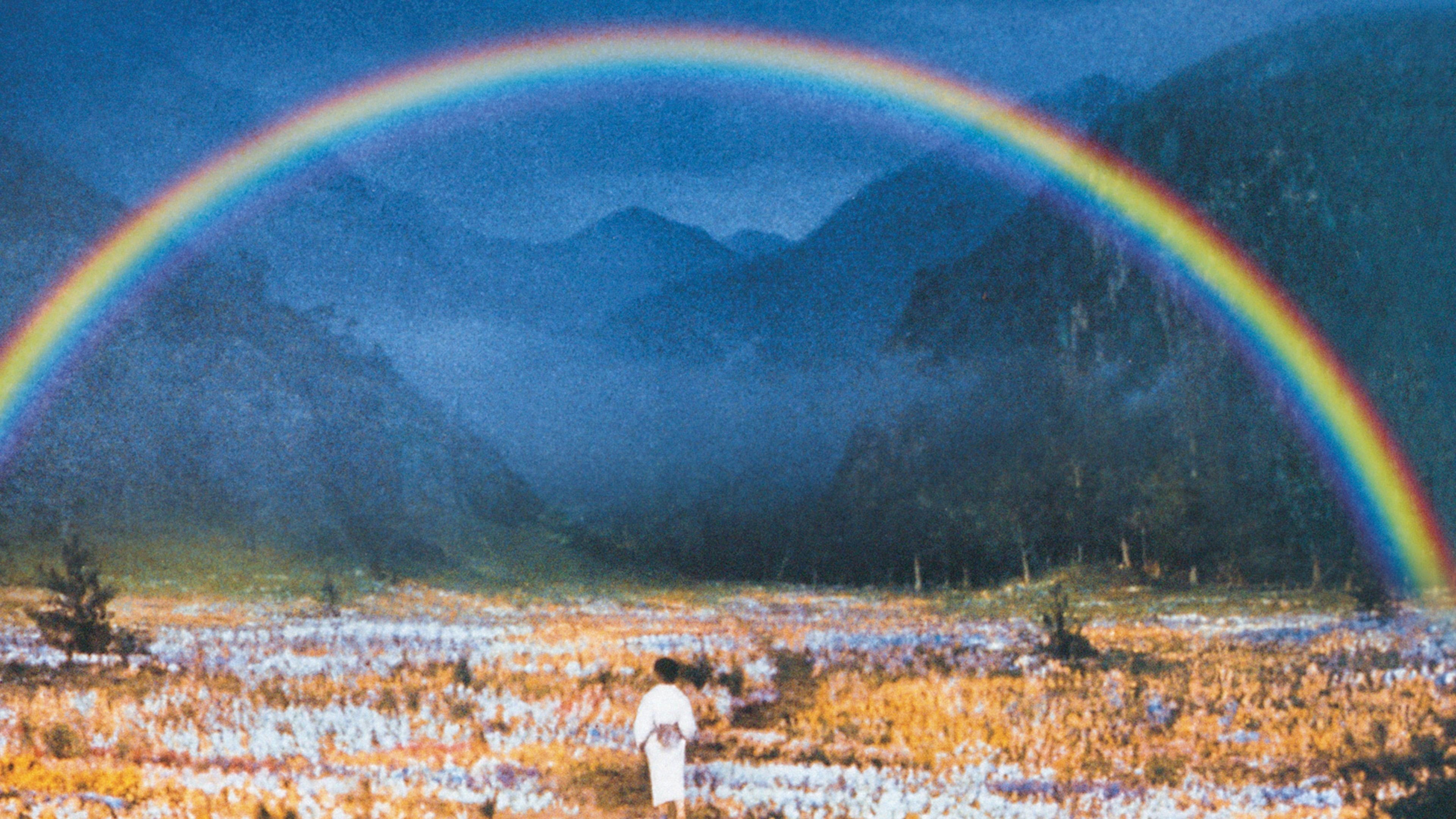
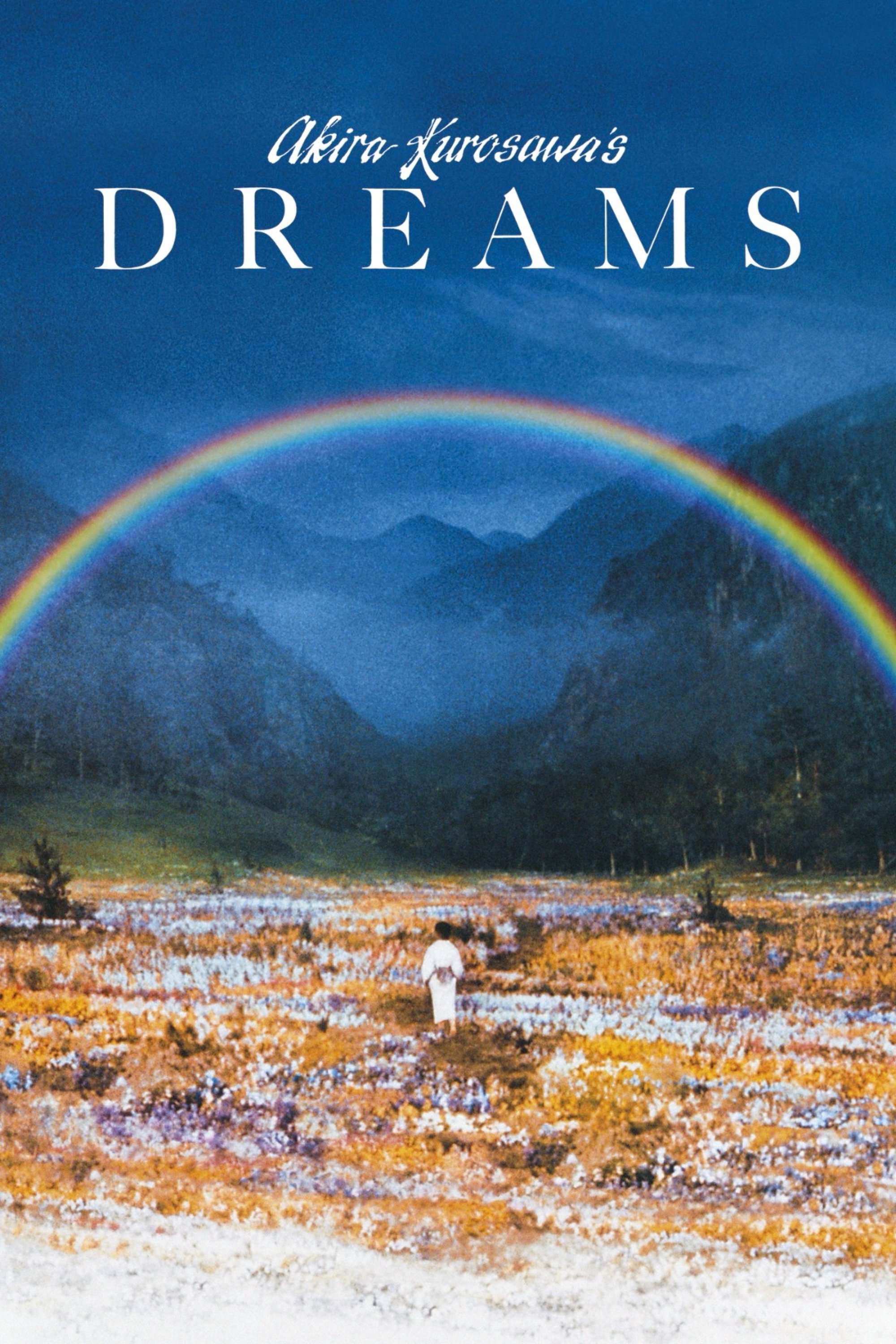
Movie spotlight
Dreams
Eight visually rich vignettes drawn from Kurosawa’s own dreams—fox weddings and vanished orchards, a soldier’s ghosts, a walk through Van Gogh’s canvases, nuclear nightmares, and a water-mill utopia—meditate on childhood, art, mortality, and humanity’s uneasy bond with nature.
Insights
Plot Summary
Akira Kurosawa's "Dreams" is an anthology film presenting eight distinct, surreal vignettes inspired by the director's own dreams. Each segment explores themes of nature, spirituality, mortality, and the human condition, ranging from a joyous encounter with Van Gogh to a terrifying nuclear apocalypse.
Critical Reception
Upon its release, "Dreams" received generally positive reviews from critics, who lauded Kurosawa's unique visual style and profound thematic explorations. While some found the episodic nature disjointed, most praised its artistic ambition and emotional resonance.
What Reviewers Say
Visually stunning and deeply personal.
A meditative and thought-provoking exploration of life and art.
Some segments are more impactful than others, but the overall vision is captivating.
Google audience: Google users generally appreciate the film's artistic vision and unique dreamlike sequences, often highlighting its visual beauty and philosophical undertones. Some reviewers find it to be a departure from Kurosawa's more narrative-driven samurai films, leading to a more abstract viewing experience.
Awards & Accolades
Nominated for the Palme d'Or at the 1990 Cannes Film Festival.
Fun Fact
Martin Scorsese makes a memorable appearance in the film, portraying the artist Vincent van Gogh in one of the dream sequences.
AI-generated overview · Verify ratings on official sources