IMDb6.1/10
Rotten Tomatoes61%
Metacritic67/100
Google Users62%
Director: William Friedkin•Genres: Horror, Mystery, Thriller, Sci-Fi
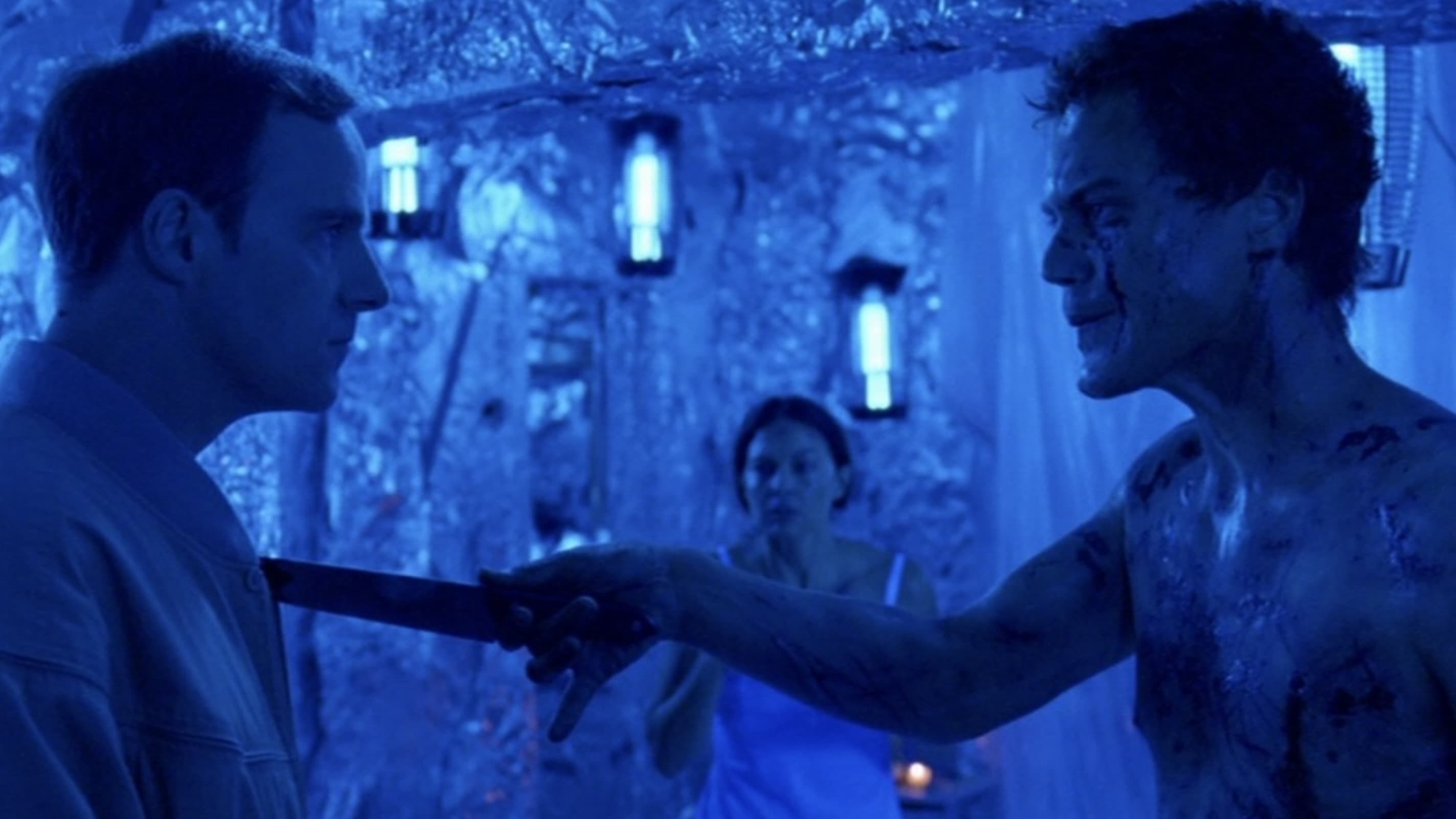
Agnes White, a lonely waitress living in a run-down motel room, is plagued by paranoia and haunted by the disappearance of her abusive ex-husband. Her life takes a strange turn when she meets Peter, a mysterious drifter who gradually moves into her life and her room. As their relationship intensifies, Agnes becomes increasingly convinced that insects are infesting her home, a delusion that Peter seems to encourage and share, leading them down a path of isolation and escalating madness.
Bug received mixed to positive reviews from critics, with many praising its unsettling atmosphere, intense performances, and claustrophobic tension. However, some found its descent into paranoia and body horror to be excessively bleak and difficult to endure. The film gained a cult following for its unique and disturbing exploration of psychological decay and conspiracy theories.
Praised for its intense and disturbing psychological horror.
Michael Shannon and Ashley Judd deliver powerful, unsettling performances.
The film's claustrophobic atmosphere and descent into paranoia are effectively chilling.
Some found the unrelenting bleakness and explicit themes to be overwhelming.
Google audience: Audiences found 'Bug' to be a disturbing and intense psychological thriller with strong performances, particularly from its lead actors. Many appreciated its unique, unsettling atmosphere and thematic exploration of paranoia and isolation, though some found its bleakness and explicit content to be challenging or off-putting.
The play 'Bug' by Tracy Letts, on which the film is based, was originally developed at the Remains Theatre in Chicago and later had a successful Off-Broadway run before being adapted for the screen by Friedkin.
AI-generated overview · Verify ratings on official sources