
Movie spotlight
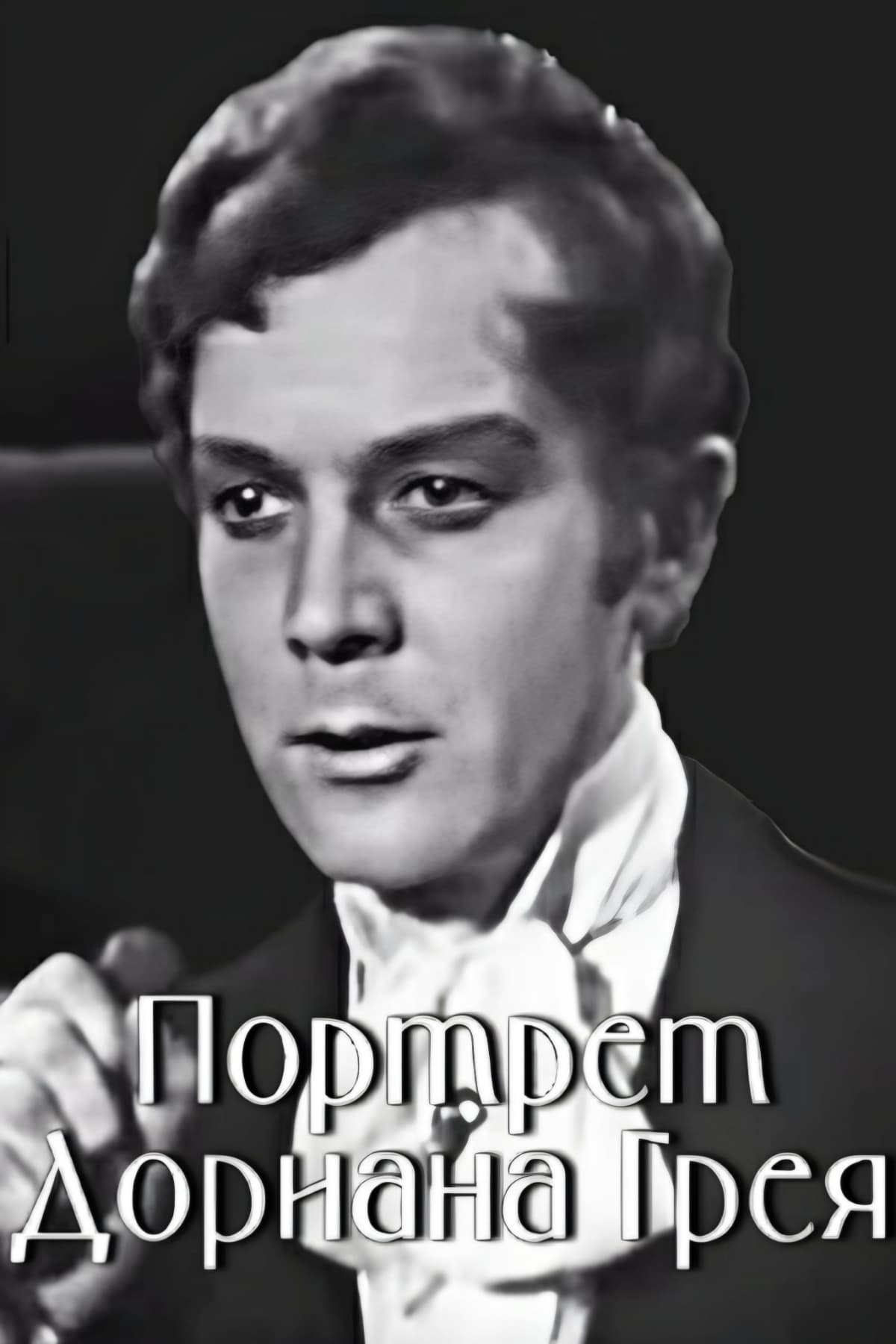
The Picture of Dorian Gray
The Portrait of Dorian Gray had an amazing property: it took upon itself all the sins of the “original”, as well as the passage of time. In real life, Dorian Gray did not change, not a single wrinkle appeared on his face, but the portrait aged for him...
Insights
Plot Summary
In Victorian London, a wealthy young man, Dorian Gray, has his portrait painted. Upon seeing its startling likeness and beauty, he wishes that the painting would age and bear the marks of his sins while he remains eternally young and handsome. His wish is granted, and as Dorian descends into a life of hedonism and depravity, the portrait in his locked room grotesquely reflects his moral decay and the passage of time.
Critical Reception
This adaptation of Oscar Wilde's novel was met with mixed reviews. While some critics praised its visual style and Peter O'Toole's performance, others found it to be a somewhat theatrical and less impactful rendition of the source material compared to earlier versions. The film did not achieve significant commercial success.
What Reviewers Say
Praised for its atmospheric visuals and O'Toole's compelling performance.
Criticized for being overly theatrical and somewhat stagey.
Seen as a visually rich but less profound adaptation of the novel.
Google audience: Information on specific Google user reviews and their sentiment is not readily available for this 1968 film.
Awards & Accolades
None notable.
Fun Fact
This 1968 film is one of several adaptations of Oscar Wilde's novel, with the most famous prior adaptation being Albert Lewin's 1945 film.
AI-generated overview · Verify ratings on official sources