Movie spotlight
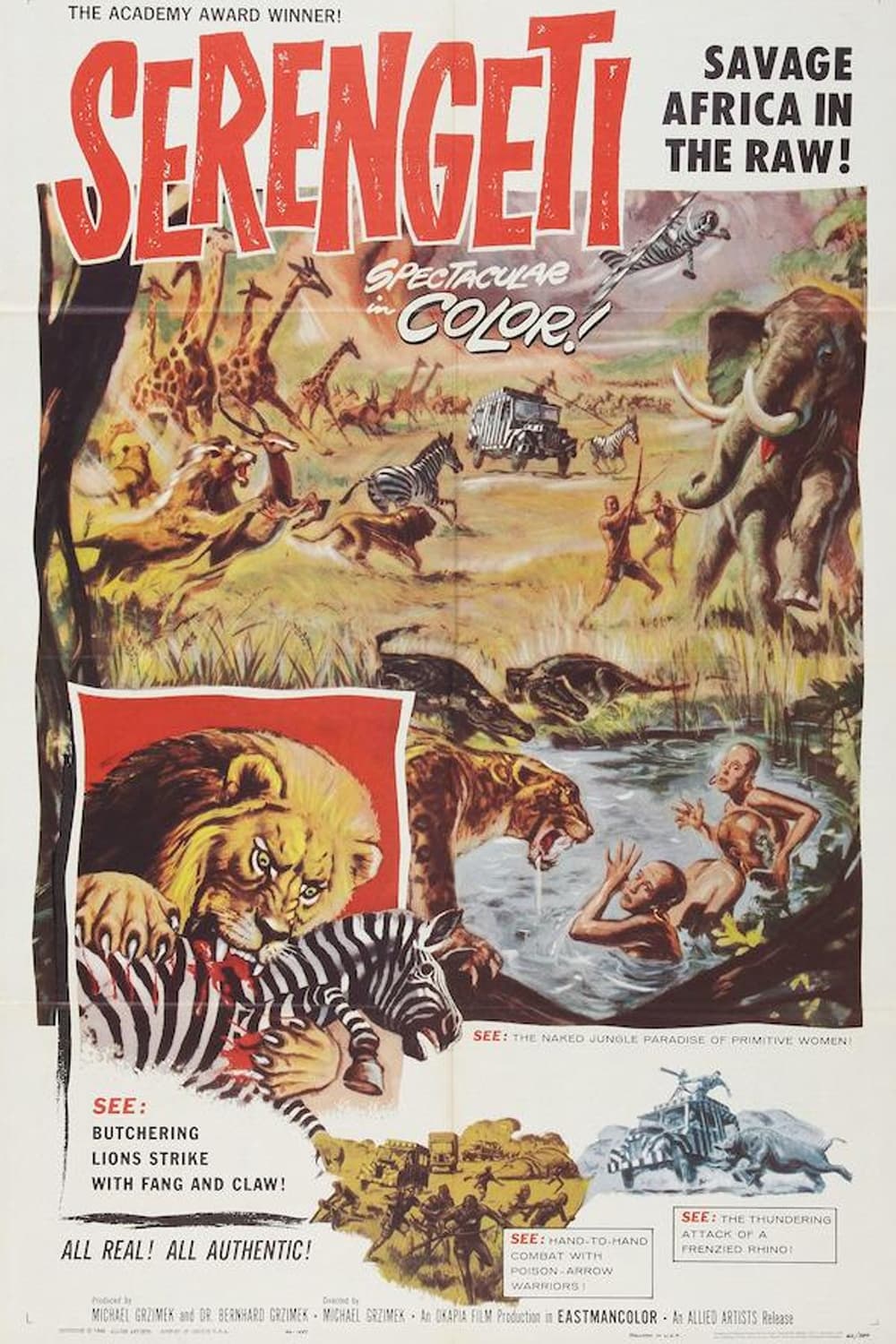
Serengeti Shall Not Die
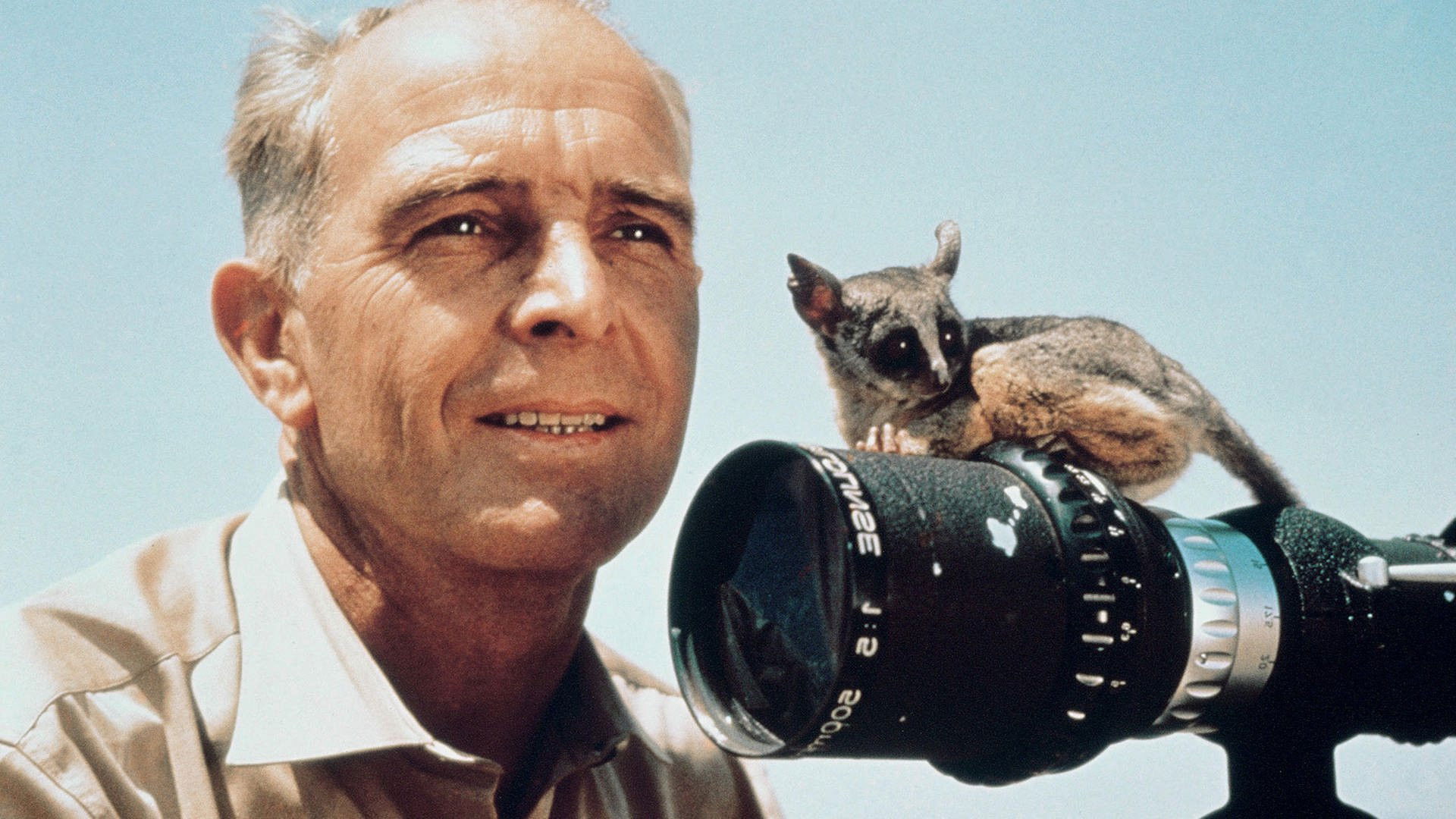
The film tells of the beginnings of the Serengeti National Park in Tanzania. At the end of the 1950s, the Tanzanian National Park Administration wanted to fence in the protected area around the Ngorongoro Crater. Bernhard and Michael Grzimek were invited by the national park administration in 1957 to get a precise picture of the animal migrations and to provide the national park administration with the values they needed for their project. Using a new counting method with two airplanes, the Grzimeks found out that the migration of the herds was different than assumed.
Insights
Plot Summary
This groundbreaking documentary follows the efforts of Bernhard and Michael Grzimek to document the vast animal populations of the Serengeti and to advocate for their preservation. Through stunning cinematography, the film showcases the incredible migrations and diverse species inhabiting the region. It highlights the challenges faced by wildlife due to human encroachment and proposes solutions for conservation.
Critical Reception
The film was widely acclaimed for its educational value and its powerful message of conservation. It brought the plight of African wildlife to international attention and is considered a landmark in nature documentary filmmaking. Critically, it was praised for its stunning visuals and the Grzimeks' passionate plea for wildlife protection.
What Reviewers Say
Praised for its breathtaking cinematography of African wildlife.
Commended for its urgent and effective conservation message.
Considered a pioneering work in the documentary genre.
Google audience: While specific Google user reviews from 1959 are unavailable, contemporary and retrospective audience reception highlights the film's profound impact and enduring legacy as an important conservation documentary.
Awards & Accolades
Won the Golden Bear at the 9th Berlin International Film Festival in 1959.
Fun Fact
The documentary was filmed and produced by Bernhard and Michael Grzimek themselves, often under challenging conditions, to raise awareness and funds for wildlife conservation in East Africa.
AI-generated overview · Verify ratings on official sources