Movie spotlight
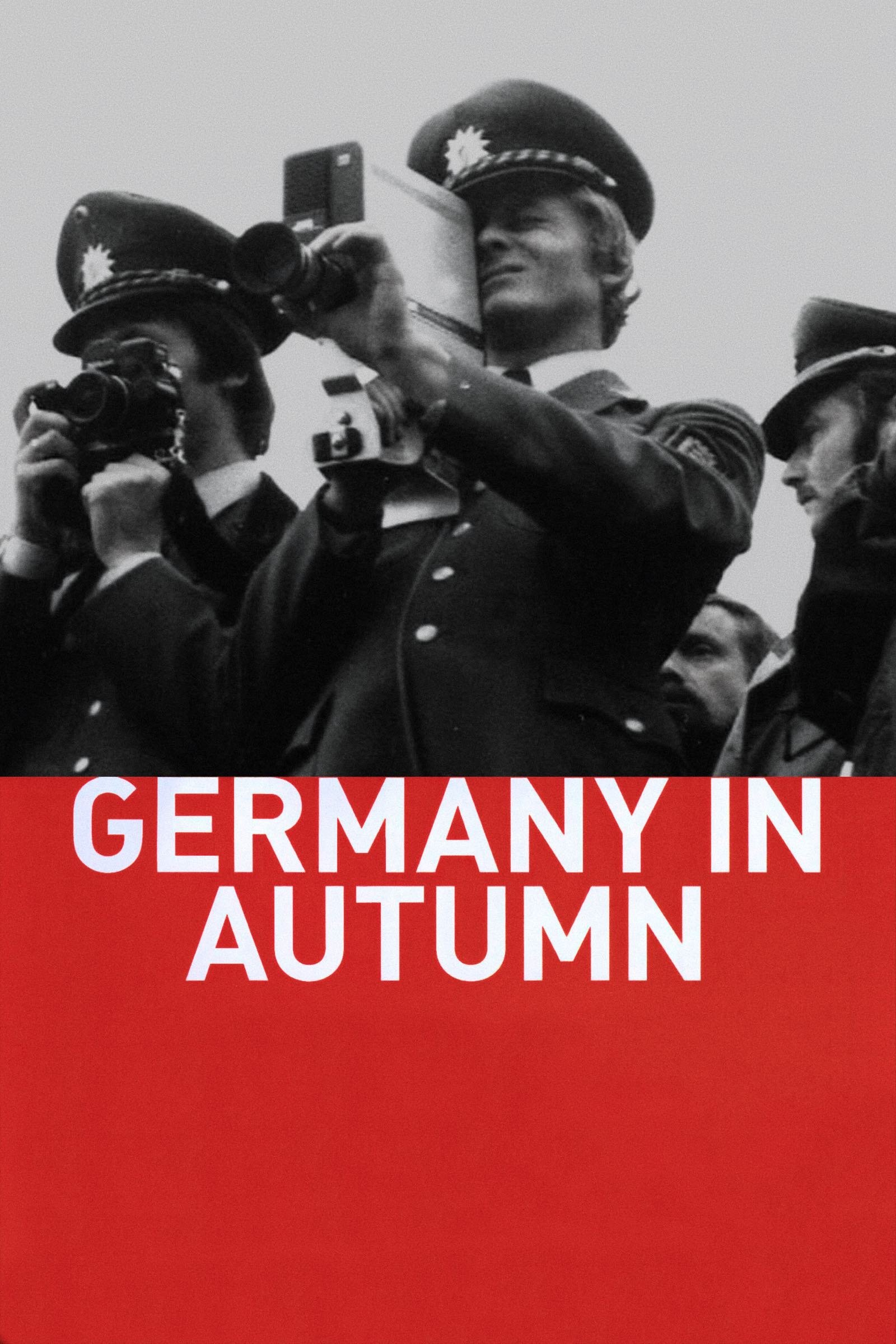
Germany in Autumn
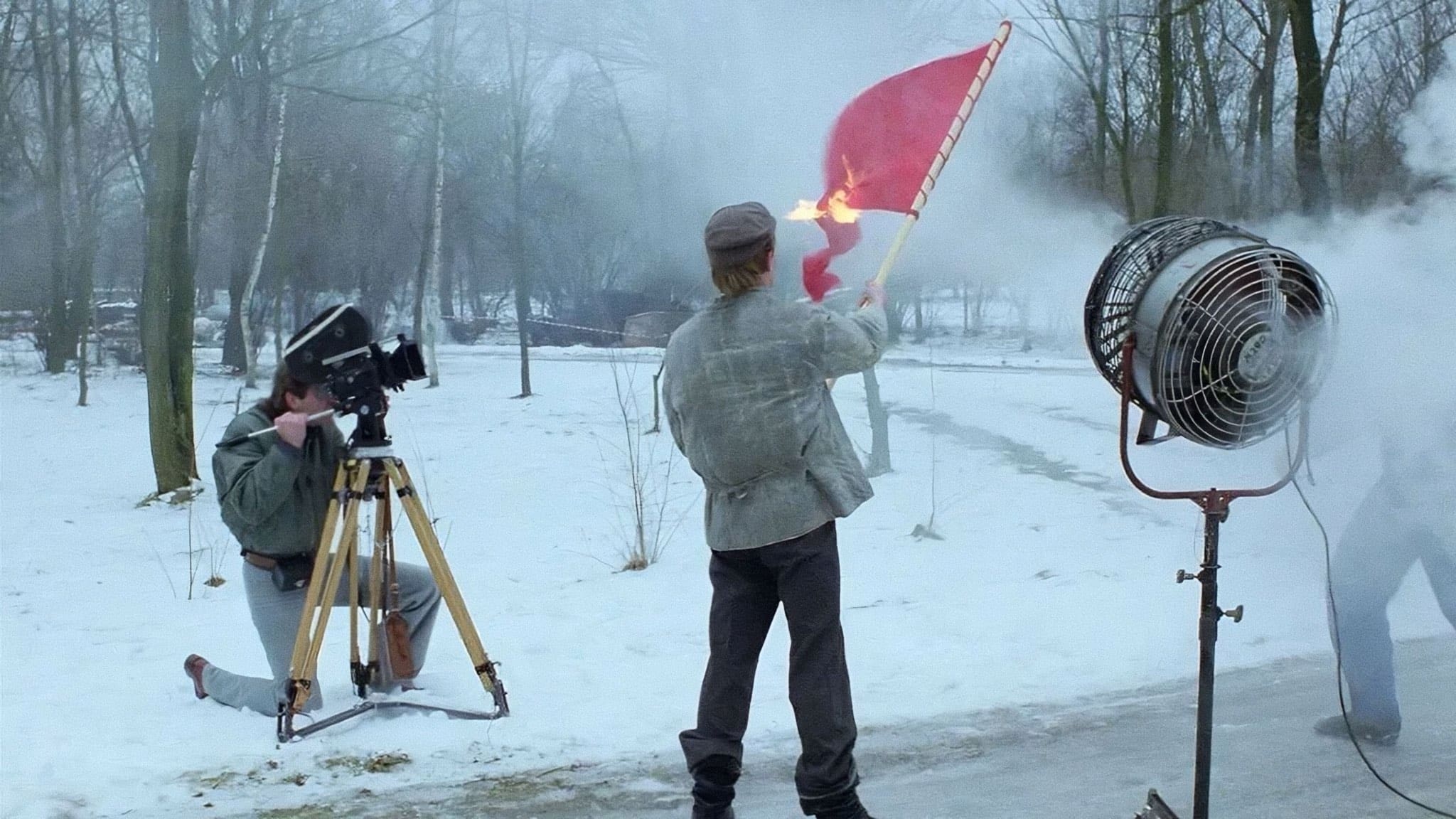
Nine fictitious documentaries and films reflect the mood of late 1970s Germany, particularly the two-month period in 1977 when a businessman was kidnapped by the RAF (Red Army Faction). The kidnap had been made to orchestrate the release of the original leaders of the RAF, aka the Baader-Meinhof.
Insights
Plot Summary
Germany in Autumn is a collectively made documentary film responding to the political climate of West Germany in 1977, particularly the events surrounding the kidnapping and death of Hanns Martin Schleyer and the Stammheim prison deaths of Baader-Meinhof Group leaders. The film presents a fragmented yet powerful mosaic of essays, interviews, and fictionalized scenes, exploring themes of state power, terrorism, and the societal anxieties of the era. It offers a critical examination of the government's response and the pervasive fear that gripped the nation.
Critical Reception
Germany in Autumn was highly controversial upon its release due to its critical stance on the West German government and its exploration of sensitive political events. While some critics lauded its courage and intellectual depth, others found its fragmented structure and political engagement challenging. It is now regarded as a significant work of political cinema and a valuable historical document of a tumultuous period in German history.
What Reviewers Say
Praised for its bold and unflinching examination of a nation under duress.
Commended for its innovative, fragmented approach to documentary filmmaking.
Criticized by some for its perceived bias and difficult, often abstract, presentation.
Google audience: Audience reviews are scarce due to the film's niche and historical nature, but its impact is generally recognized as significant for its critical engagement with German political history.
Fun Fact
The film was a collaborative effort by fourteen prominent filmmakers and writers, including Rainer Werner Fassbinder and Alexander Kluge, who worked on it as a response to the perceived injustices and authoritarian tendencies of the West German state during the 'German Autumn' of 1977.
AI-generated overview · Verify ratings on official sources