A Woman's Life
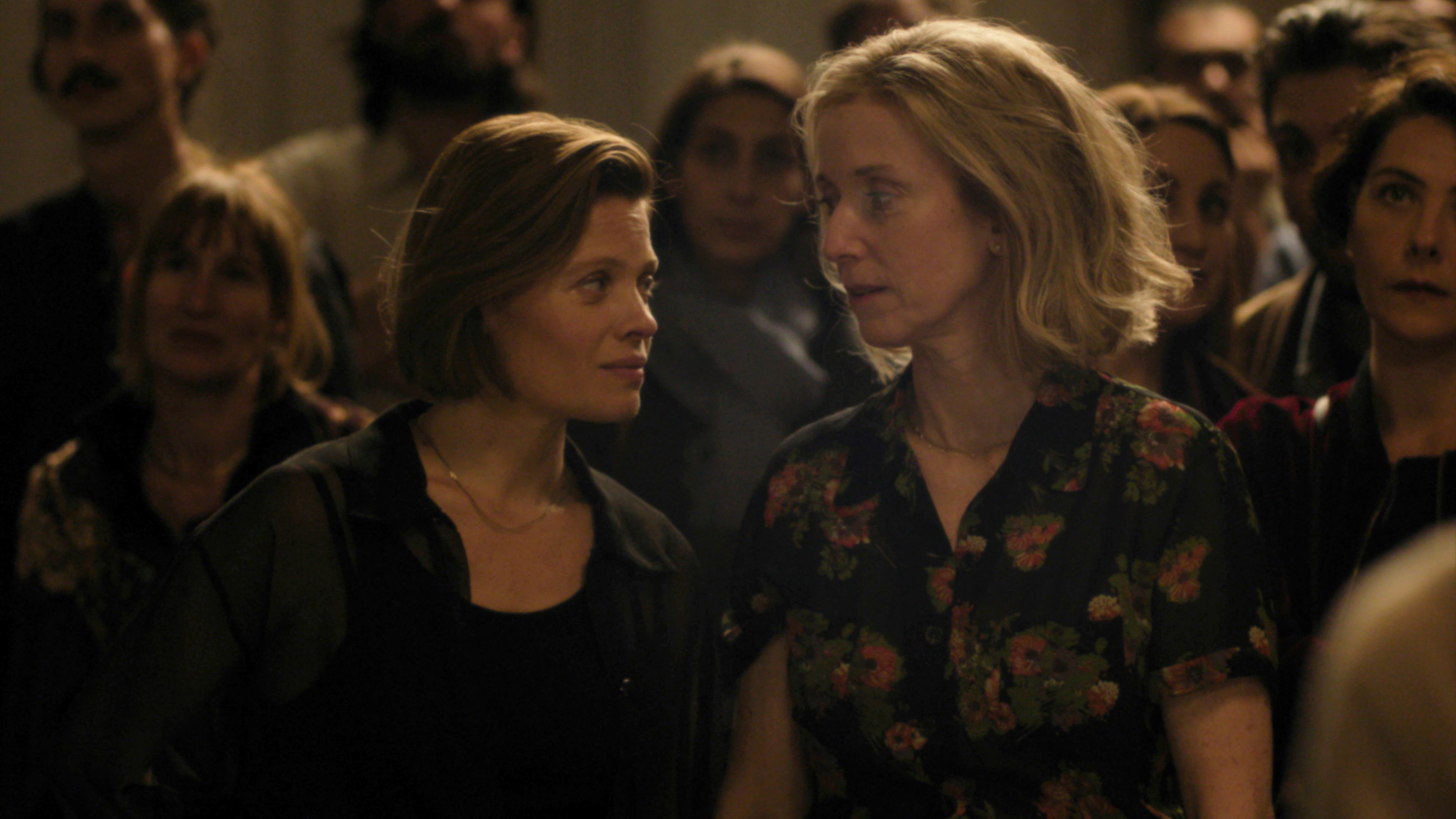
Gabrielle, a dedicated surgeon and head of a hospital department, is stretched thin by the weight of responsibility. There is little time left for her private life: a loving husband and a mother who depends on her care. Yet this is the life she wanted, the life she chose. When a novelist comes to observe her at work for a book, her balance begins to shift.
Insights
Plot Summary
The film chronicles the life of Jeanne, a woman of the French bourgeoisie in the mid-19th century, as she navigates love, marriage, and societal expectations. From her passionate but ultimately doomed romance with a penniless student to her pragmatic marriage to a wealthy landowner, Jeanne's journey is marked by yearning for genuine connection amidst the constraints of her era. Her experiences reveal the profound compromises and emotional sacrifices often demanded of women in a patriarchal society.
Critical Reception
A Woman's Life received widespread critical acclaim, particularly for its sensitive portrayal of a woman's inner life and its stunning visual fidelity to the period. Critics lauded its intimate focus and the powerful performance of Judith Chemla, though some found its pacing deliberate. Audience reception was generally positive, appreciating its artistic merit and emotional depth.
What Reviewers Say
- Praised for its immersive historical detail and intimate focus on the protagonist's emotional journey.
- Judith Chemla delivers a captivating performance that anchors the film.
- Its deliberate pacing and somber tone may not appeal to all viewers.
Google audience: Audiences generally appreciated the film's artistic direction and the poignant depiction of a woman's struggles. Many found the performances compelling and the historical setting immersive, although some noted the film's slow burn narrative.
Awards & Accolades
Won the FIPRESCI Prize at the Venice Film Festival (2016). Nominated for César Awards for Best Actress (Judith Chemla), Best Costume Design, and Best Production Design.
Fun Fact
The novel 'A Woman's Life' by Guy de Maupassant, upon which the film is based, was published in 1883 and is considered one of his most autobiographical works, exploring themes of betrayal and disillusionment through the female protagonist.
AI-generated overview · Verify ratings on official sources