Movie spotlight
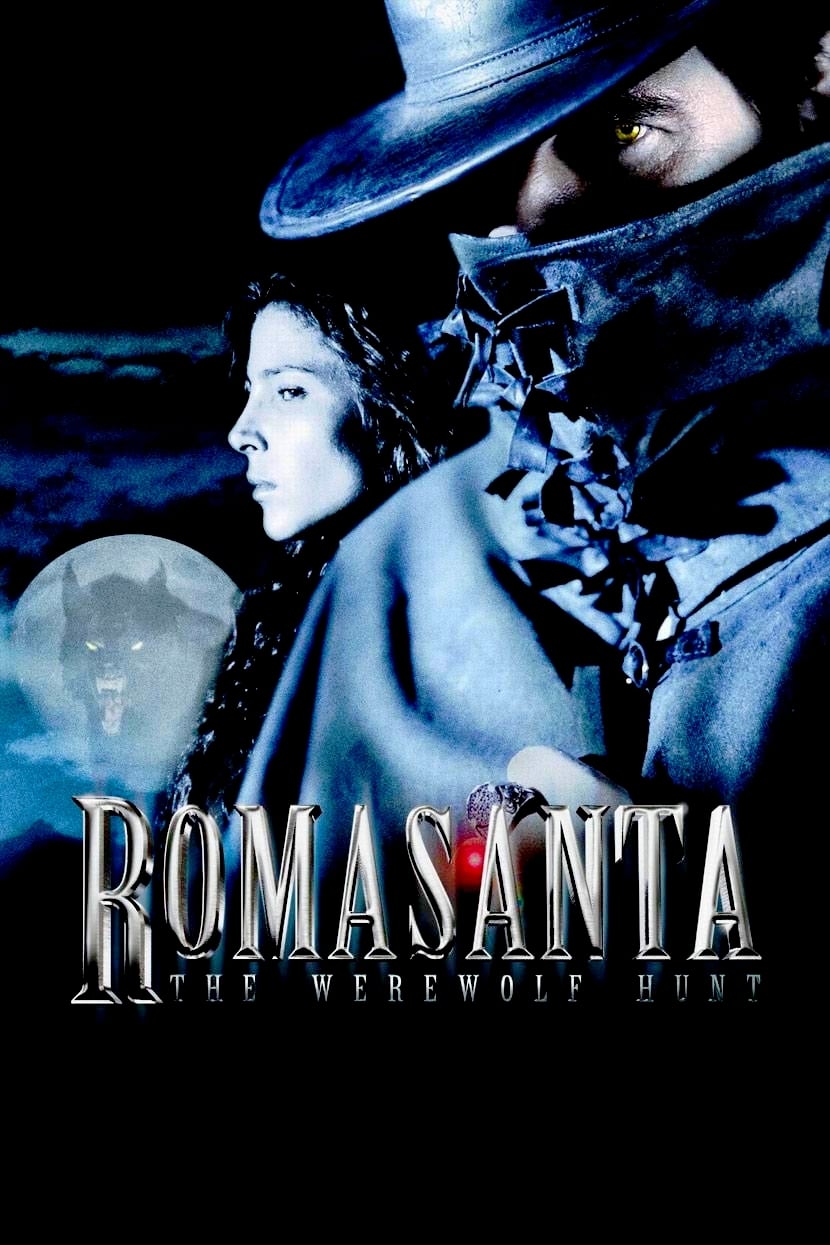
Romasanta: The Werewolf Hunt
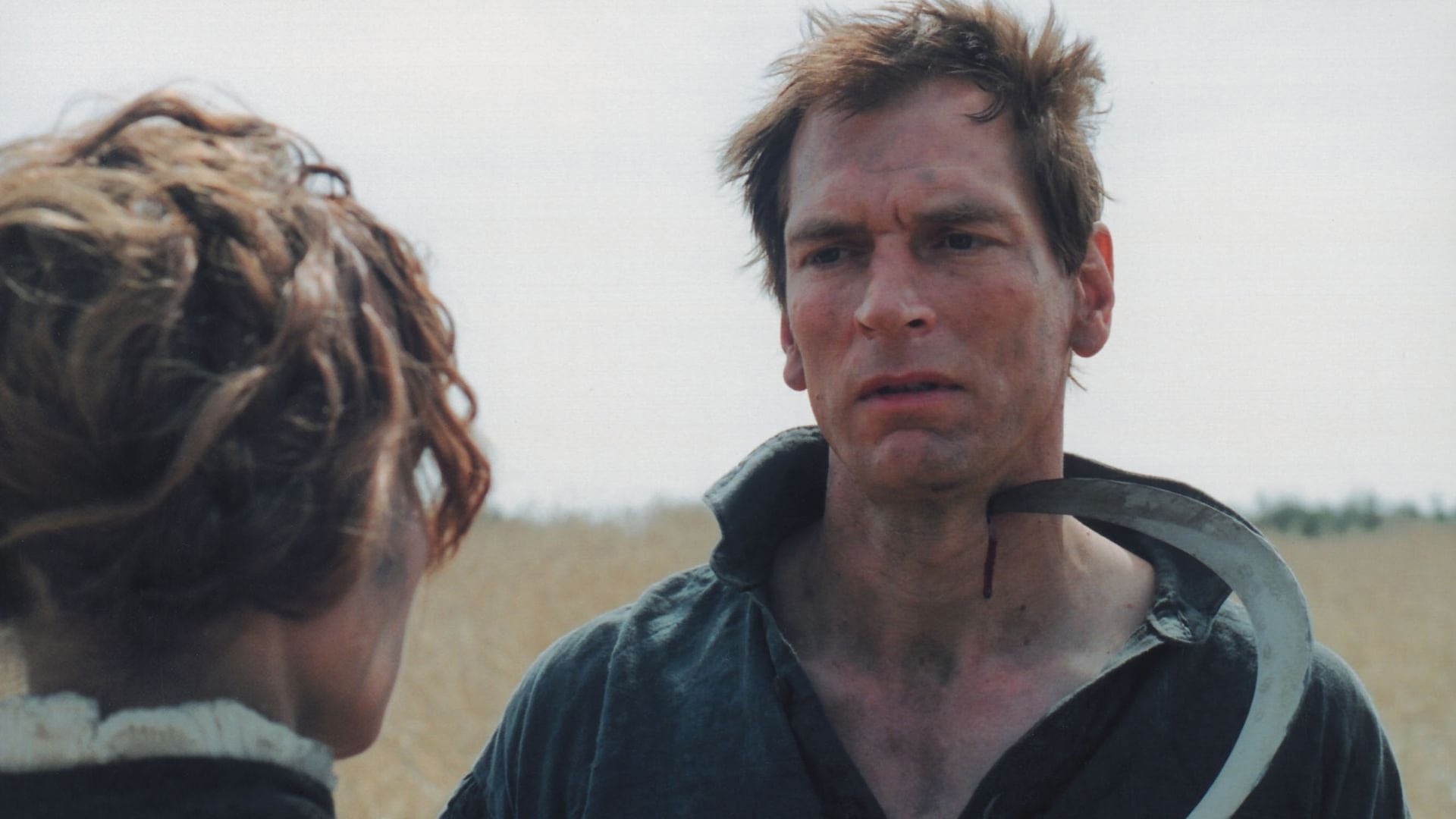
A terror is stalking the land: people are disappearing daily, their bodies appearing covered in savage gashes coupled with precise surgical cuts. The legend of the 'Werewolf of Allariz' spreads across the land like wildfire. When Barbara (Elsa Pataky) falls in love with travelling vendor Manuel Romasanta, she is at first besotted with him - but soon begins to be suspicious of him. What has happened to her sister, who - after being escorted by Romasanta to the city - seems to have disappeared forever.
Insights
Plot Summary
In 19th-century Galicia, Spain, Manuel Romasanta is a traveling merchant who claims to be a werewolf and confesses to murders, stating that an evil curse forces him to transform and kill. He insists that his condition makes him a danger only to those who cross him, and that his sister, Teresa, and her daughter, Barbara, are innocent bystanders. However, the authorities are skeptical, and a determined investigator, Inspector Godoy, begins to unravel the truth behind Romasanta's claims and the brutal murders plaguing the region.
Critical Reception
Romasanta: The Werewolf Hunt received mixed to positive reviews, with many critics praising its atmosphere, performances, and unique take on the werewolf mythos. Some found the pacing to be slow in parts, but overall it was considered a well-crafted horror film that blended historical drama with supernatural elements effectively. It gained a cult following for its distinct style and departure from typical werewolf tropes.
What Reviewers Say
Praised for its atmospheric and unsettling tone.
Appreciated for its mature and psychological approach to the werewolf legend.
Some viewers found the narrative to be less engaging in its slower moments.
Google audience: Information regarding specific Google user reviews and their summary is not readily available for this film.
Fun Fact
The film is based on the alleged true story of Manuel Blanco Romasanta, who confessed to being a werewolf and committing multiple murders in rural Spain in the mid-19th century.
AI-generated overview · Verify ratings on official sources