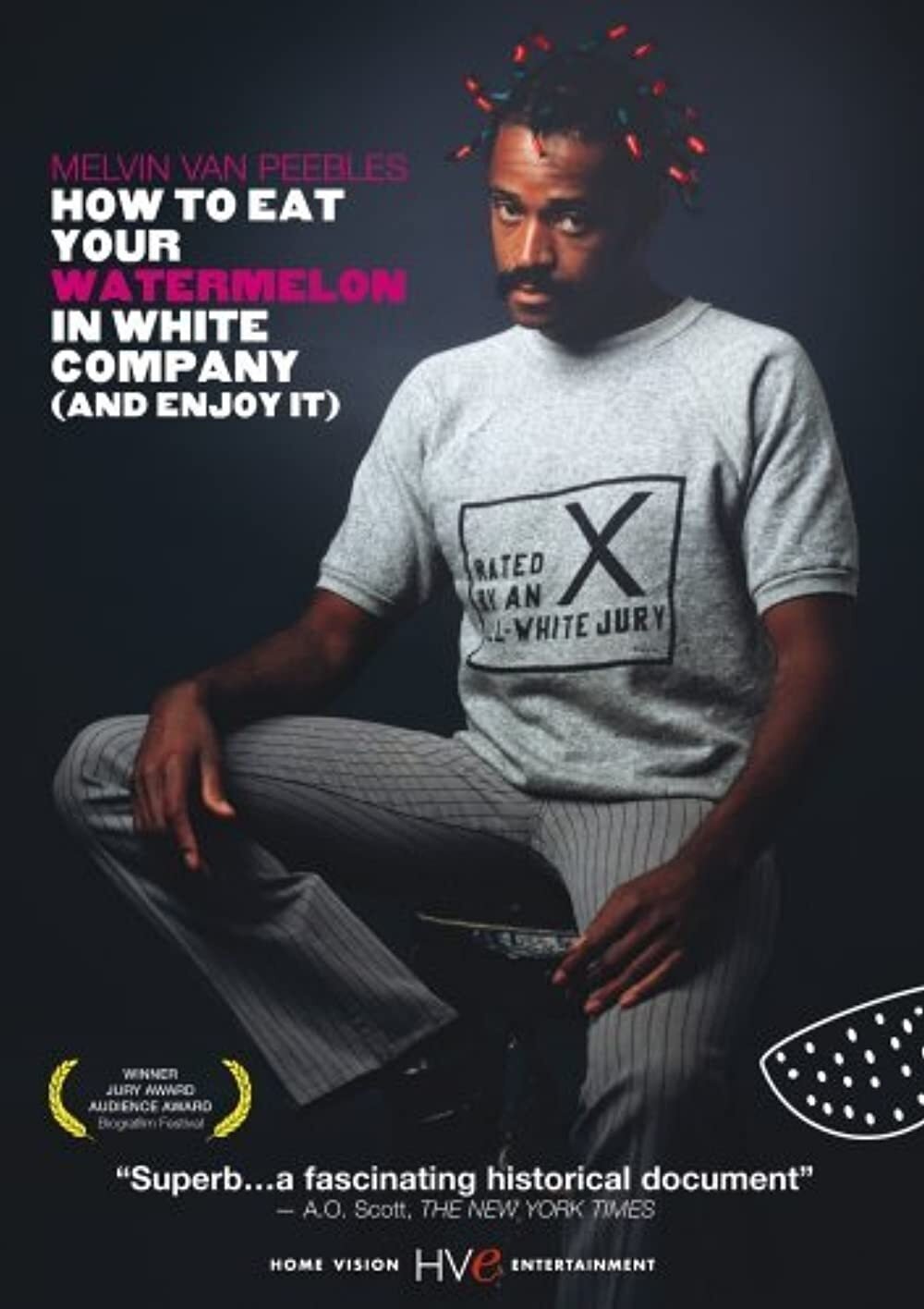
How to Eat Your Watermelon in White Company (and Enjoy It)

Movie spotlight

How to Eat Your Watermelon in White Company (and Enjoy It)

2005
Movie
85 min
English

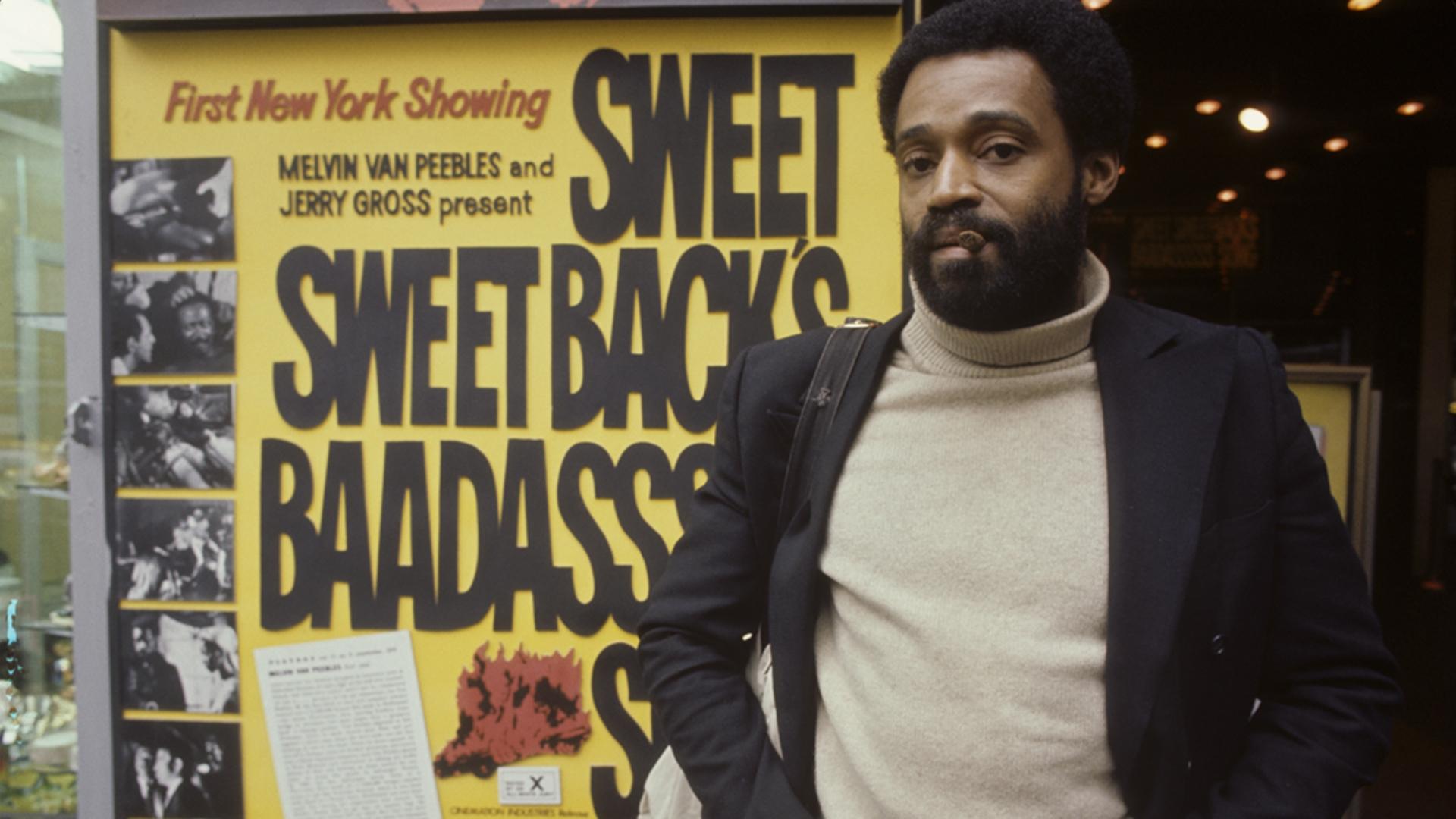
Melvin Van Peebles was one of the first black directors to challenge the white establishment in his films, which include "Watermelon Man" and "Sweet Sweetback's Baadasssss Song." In this documentary, the life of Van Peebles is discussed, including his work not only in film, but also as a novelist, actor, musician, stock trader and even Air Force pilot. Interview subjects include Gil Scott-Heron, Spike Lee and Melvin's son and fellow filmmaker, Mario Van Peebles.

Insights

IMDb7.2/10
Director: Joe WinstonGenres: Documentary

Plot Summary

This documentary explores the complex relationship between watermelon, a symbol often racialized in American history, and the African American experience. Director Joe Winston delves into the history and cultural significance of the fruit, challenging stereotypes and examining how it has been used to both mock and represent Black identity. The film also touches on broader themes of race, representation, and identity in America.

Critical Reception

The documentary was noted for its insightful and provocative examination of a seemingly simple subject, bringing to light historical racial caricatures and their lingering effects. Critics appreciated its educational value and its ability to spark dialogue about race in America. While not widely distributed, it garnered positive attention within documentary circles for its unique approach.

What Reviewers Say

  • Praised for its intelligent and layered exploration of racial symbolism.

  • Commended for its historical research and its ability to provoke thought on a sensitive topic.

  • Seen as an important film for understanding American racial dynamics through a cultural lens.

Google audience: Audience reception data is not readily available for this documentary.

Fun Fact

The documentary's title is a direct reference to the historical racist caricature of Black people being fond of watermelons, a stereotype used to demean and dehumanize African Americans.

AI-generated overview · Verify ratings on official sources

My Review