
Movie spotlight
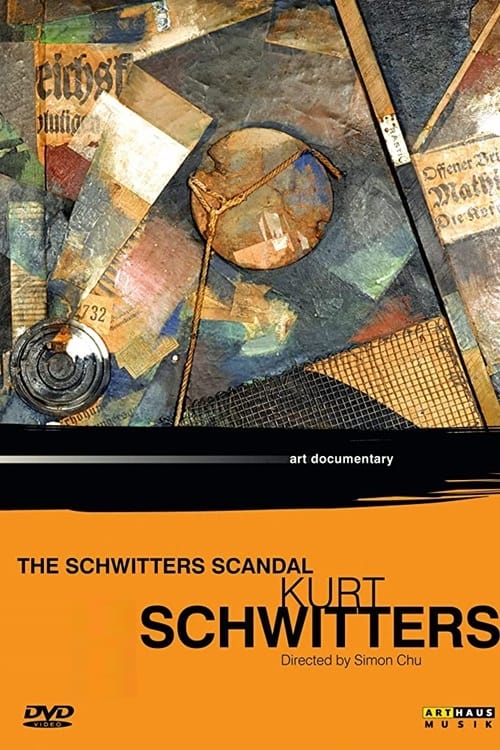
Kurt Schwitters: The Schwitters Scandal
The Schwitters scandal was pure DADA! While he was alive, Schwitters provoked the art world with his one-man Dada movement Merz, which united painting, sculpture, architecture and literature in fragments. After his death he hit the headlines due to several sensational inheritance lawsuits involving his heirs, a mistress, the Norwegian government, and the Marlborough Gallery - which had gained notoriety in the Rothko scandal. Looking back on Schwitters’ life and work, this film unravels a bizarre story of deceit, intrigue, power and money.
Insights
Plot Summary
This documentary delves into the life and work of the influential German artist Kurt Schwitters, a pioneer of Dadaism and a master of collage. It explores his creation of the 'Merzbau' in Hanover and his innovative approach to art, which challenged conventional boundaries. The film also touches upon the 'Schwitters Scandal,' likely referring to controversies or critical reception surrounding his radical artistic expressions and their impact.
Critical Reception
As a documentary focused on a specific artist, 'Kurt Schwitters: The Schwitters Scandal' likely received attention within art documentary circles. Reviews would typically focus on its effectiveness in capturing Schwitters' artistic vision, the clarity of its presentation of his complex work, and its contribution to understanding Dadaism and avant-garde art movements.
What Reviewers Say
Praised for its insightful exploration of Kurt Schwitters' groundbreaking artistic contributions.
Offers a valuable look into the Dada movement and Schwitters' unique 'Merz' philosophy.
Effectively illustrates the revolutionary nature of Schwitters' collages and installations.
Google audience: Information regarding specific Google user reviews for this documentary is not readily available. However, audiences interested in avant-garde art and Dadaism would likely appreciate its in-depth look at a seminal figure.
Fun Fact
Kurt Schwitters coined the term 'Merz,' which he applied to his collages, sculptures, and even his entire artistic philosophy, derived from the word 'Kommerz' (commerce) after tearing a piece from a newspaper advertisement.
AI-generated overview · Verify ratings on official sources