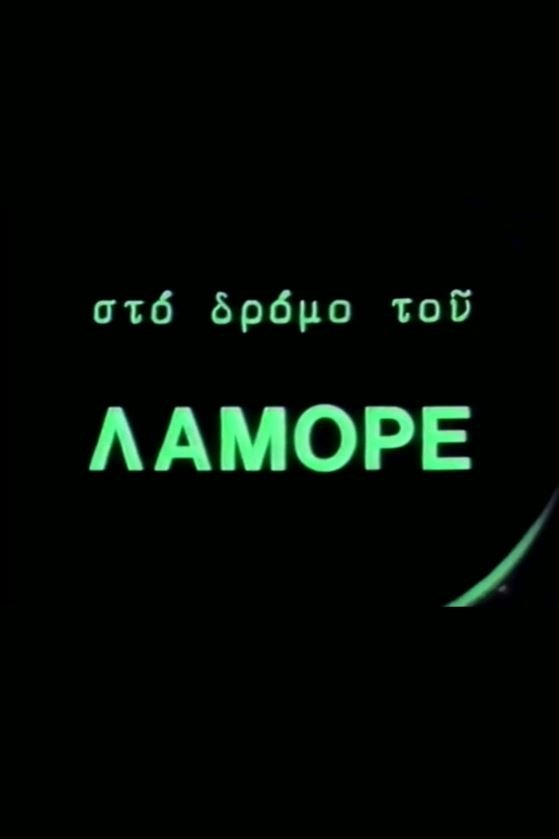

L'amore
Returning to her small town, Anna, the widow of an Italian soldier whom she married during the occupation, revives her old teenage love in the face of a young worker, whom she marries with her stepdaughter, in order to keep him close to her. At the same time, a neighbour tries by all means to take her house to build a hotel.
Insights
Plot Summary
This experimental film by Jean-Luc Godard is divided into three parts: "Love, Reason, and the Future"; "Love and the Future"; and "Love and the Future – A New Love.". It explores philosophical and political ideas through dialogues and fragmented narratives, featuring Godard and Anna Karina in stylized settings.
Critical Reception
L'amore is an avant-garde film that defies conventional narrative structures. It is often analyzed for its deconstruction of cinematic language and its exploration of Marxist and feminist theories, rather than for its plot or character development. Critical reception tends to be polarized, appreciating its intellectual depth and experimental nature, or dismissing it as inaccessible and overly didactic.
What Reviewers Say
- Intellectually stimulating and formally inventive.
- A challenging but rewarding experience for those interested in film theory.
- Can be dense and difficult to follow for casual viewers.
Google audience: Audience reception is not widely documented for this experimental film, but viewers who appreciate Godard's later, more philosophical works often find it thought-provoking. Others may find its abstract nature and lack of conventional narrative frustrating.
Fun Fact
L'amore was filmed in Geneva, Switzerland, and is part of Godard's extensive period of filmmaking in his 'Dziga Vertov Group' influenced style.
AI-generated overview · Verify ratings on official sources