Movie spotlight
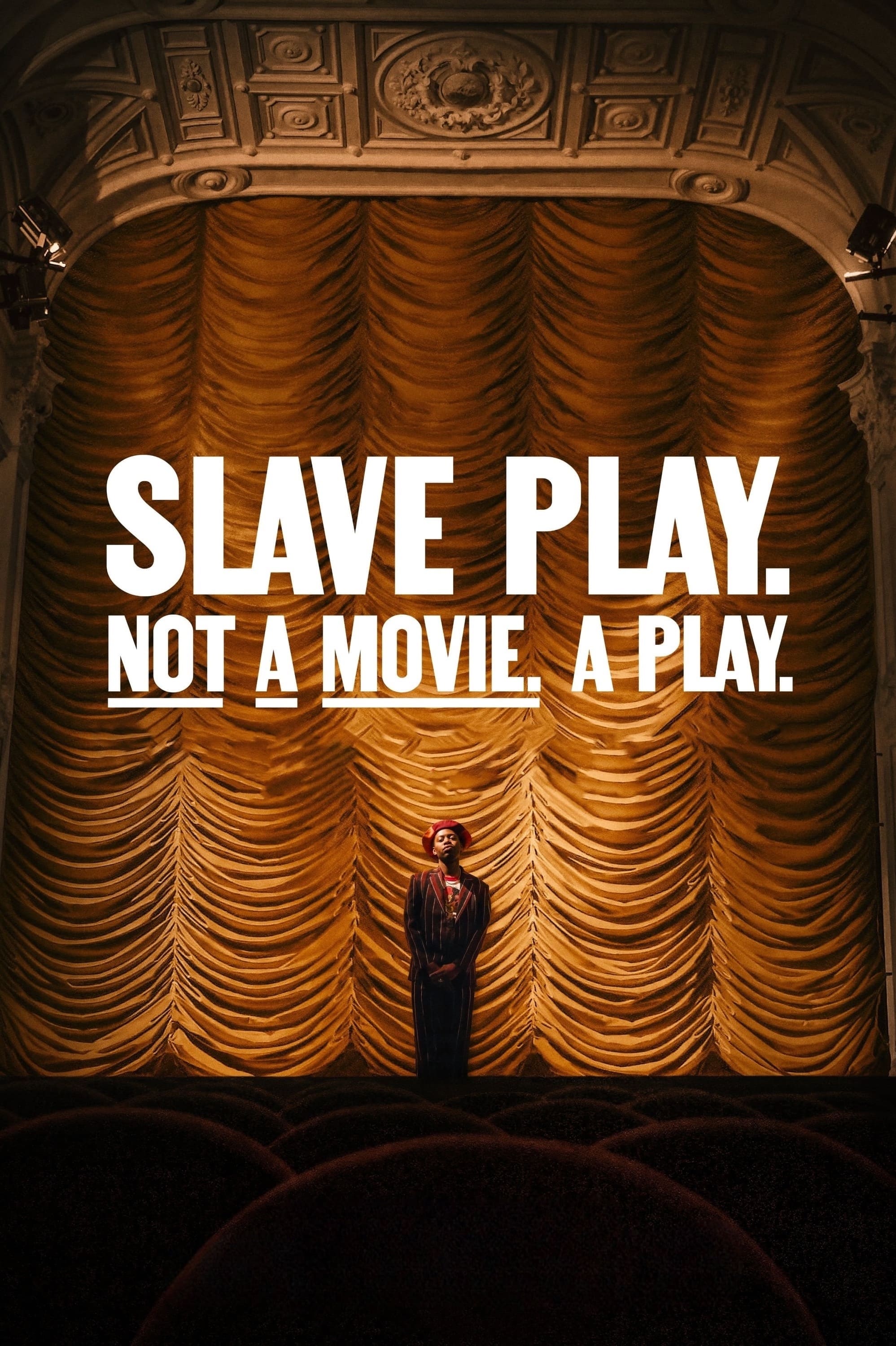
Slave Play. Not a Movie. A Play.
A playful and illuminating self-portrait of writer Jeremy O. Harris as he workshops and mines Slave Play, the provocative play that thrust him into the spotlight, with a new cast of young actors from New York’s William Esper Studio.
Insights
Plot Summary
Slave Play is a provocative and boundary-pushing theatrical work that explores the deeply complex and often fraught history of race, power, and sexuality in America. Set on a plantation in the antebellum South, the play reimagines the dynamics of slavery through a modern lens, using a group of enslaved people and their owners to examine lingering societal issues. It delves into themes of identity, trauma, and the enduring legacy of oppression with sharp wit and unflinching honesty.
Critical Reception
Slave Play received widespread critical acclaim for its daring and innovative approach to sensitive subject matter. Critics lauded its intelligence, theatricality, and the powerful performances of its cast. The play sparked significant discussion and debate for its exploration of uncomfortable truths about race and power, solidifying its place as a significant piece of contemporary theater.
What Reviewers Say
Praised for its audacious and timely exploration of race, power, and desire.
Lauded for its sharp writing, thought-provoking themes, and theatrical innovation.
Recognized for sparking essential conversations about America's historical and ongoing racial dynamics.
Google audience: As a stage play, general audience reviews on platforms like Google are not typically aggregated in the same way as films. However, audience reception has generally been one of profound engagement, with many expressing how the play challenged their perspectives and provoked deep thought and discussion.
Awards & Accolades
Nominated for 12 Tony Awards, including Best Play. Won Outer Critics Circle Award for Outstanding New American Play.
Fun Fact
The playwright, Jeremy O. Harris, originally conceived the play as a response to a viewing of 'The Slave' by Kharkovsky and as a way to explore the uncomfortable historical fetishization of Black bodies.
AI-generated overview · Verify ratings on official sources