Movie spotlight
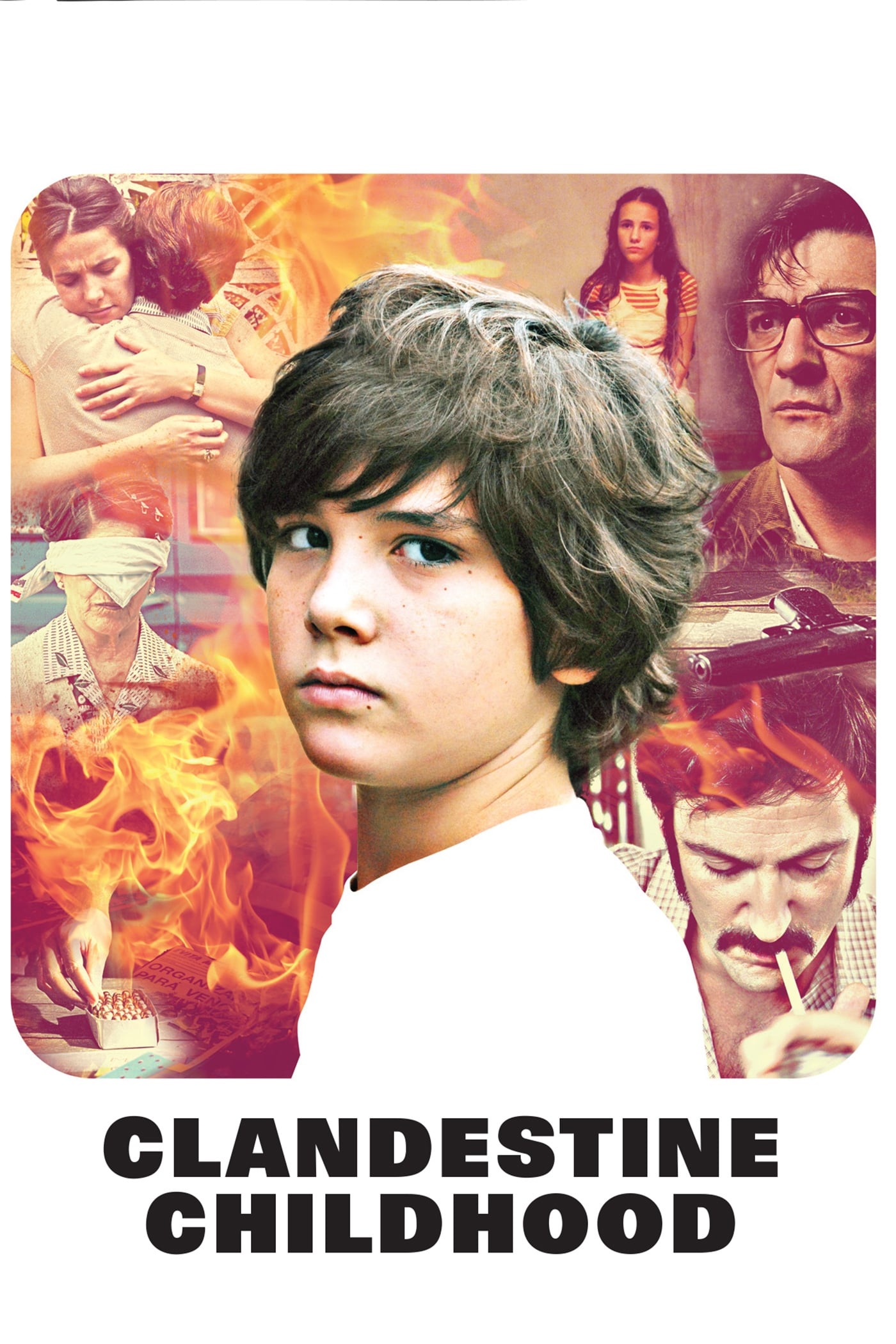
Clandestine Childhood
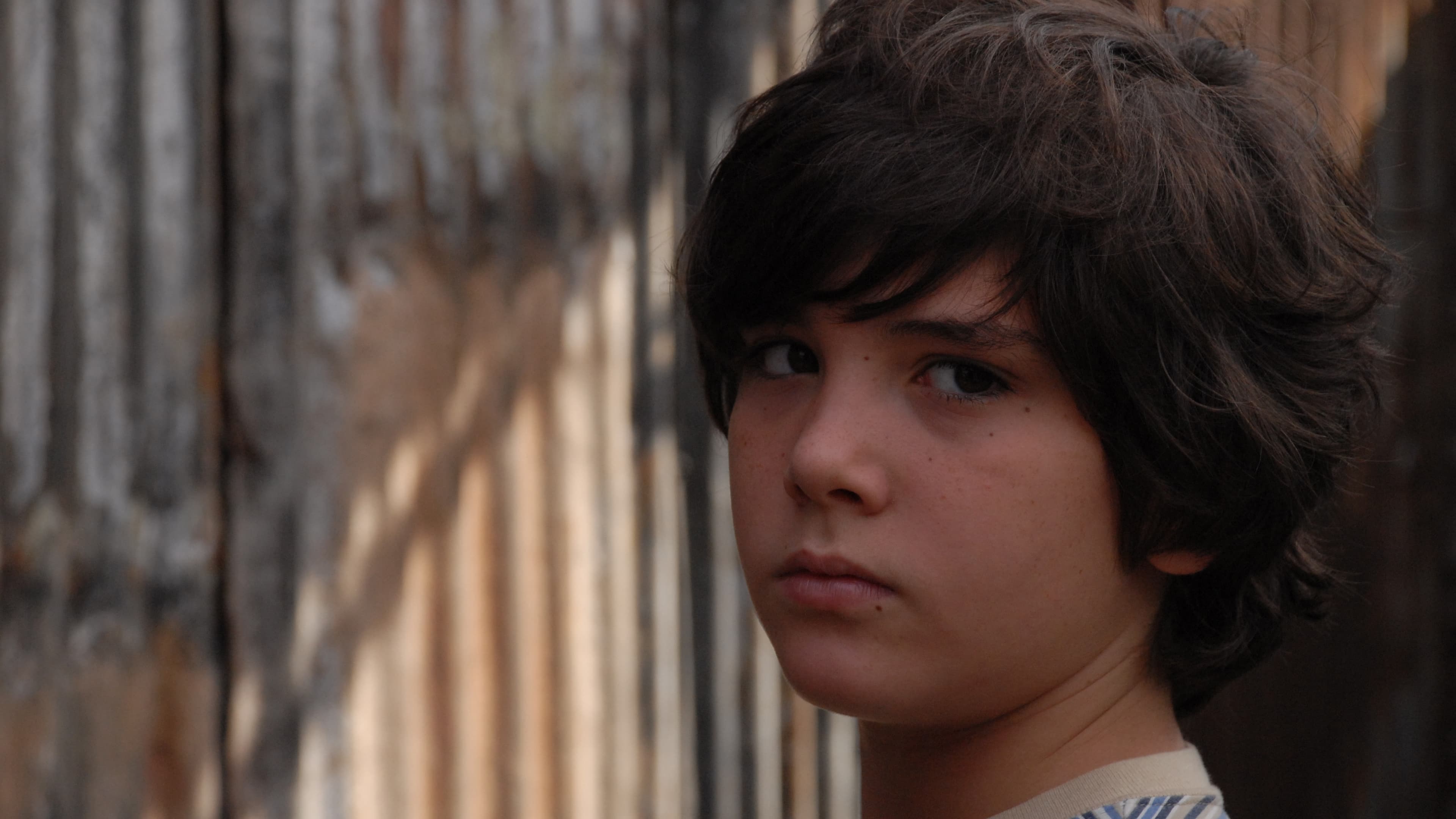
Juan lives in clandestinity. Just like his mum, his dad and his adored uncle Beto, outside his home he has another name. At school, Juan is known as Ernesto. And he meets María, who only has one name. Based on true events, set in the Argentina of 1979, this film is one about love.
Insights
Plot Summary
Set in Argentina during the turbulent 1970s, 'Clandestine Childhood' follows Juan, a 12-year-old boy navigating a complex world of political activism and adult secrets. His parents are involved in clandestine activities, forcing him to adopt a new identity and attend a different school. As Juan tries to adapt to his new life, he grapples with his parents' dangerous choices and his own burgeoning understanding of love and betrayal.
Critical Reception
Critically acclaimed, 'Clandestine Childhood' was praised for its sensitive portrayal of childhood during a politically charged era, its strong performances, and its poignant exploration of family dynamics amidst societal upheaval. It resonated with audiences for its historical context and emotional depth.
What Reviewers Say
A powerful and moving coming-of-age story set against a backdrop of political turmoil.
Praised for its nuanced depiction of childhood innocence confronting adult realities.
Appreciated for its strong performances and empathetic storytelling.
Google audience: Audiences frequently highlight the film's emotional impact and its effective portrayal of a young protagonist dealing with complex adult issues during a significant historical period in Argentina. Many found it to be a thought-provoking and well-acted drama.
Awards & Accolades
Won the Argentine Academy Award for Best Adapted Screenplay, and was nominated for the Goya Award for Best Spanish Language Foreign Film.
Fun Fact
The film is semi-autobiographical, drawing heavily on director Benjamín Ávila's own childhood experiences during Argentina's last military dictatorship.
AI-generated overview · Verify ratings on official sources