
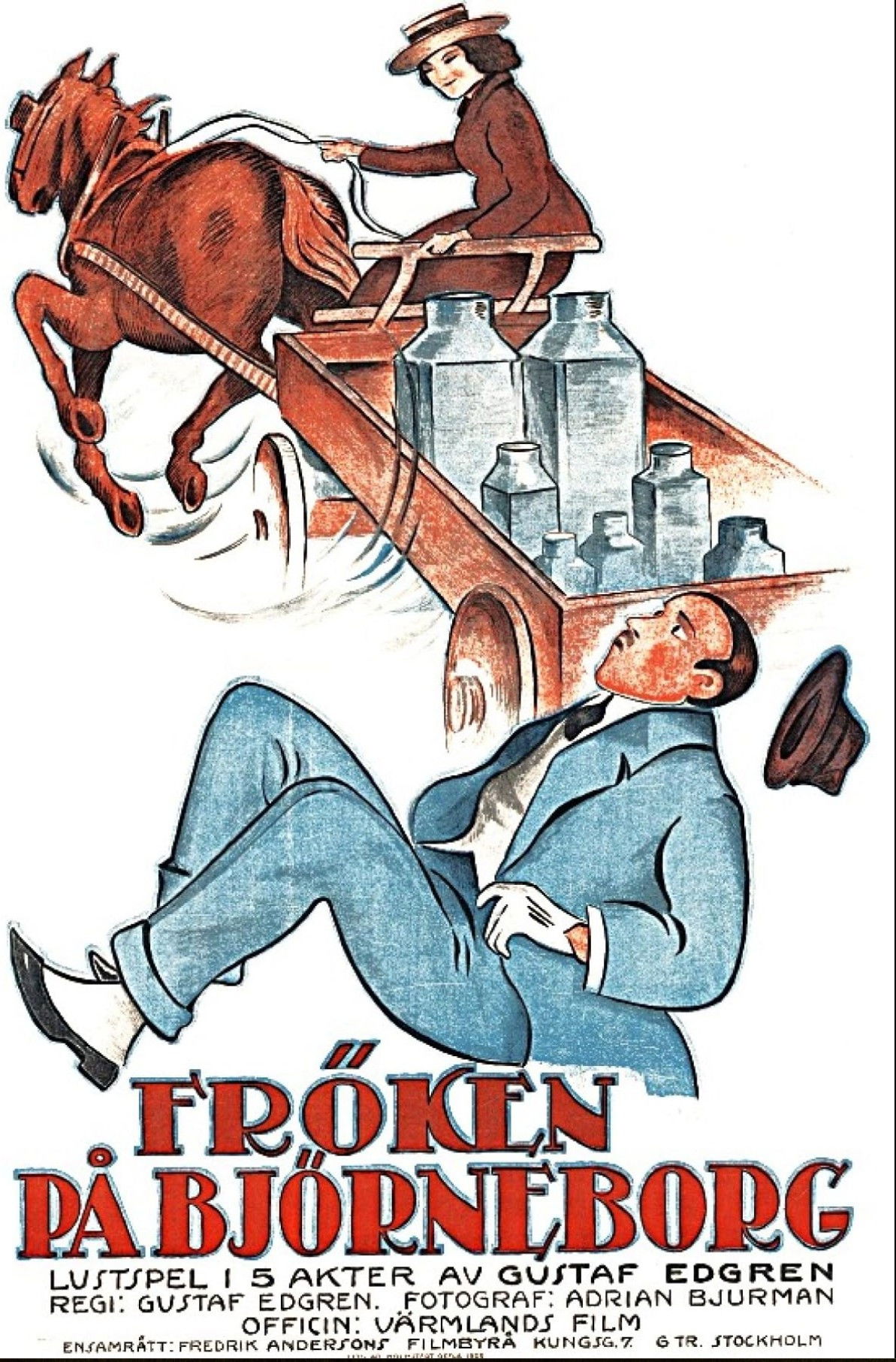
Fröken på Björneborg
Together with her friend Elsie, Ann-Mari Löfvenholm, the young heir to Björneborg, returns from studies in Stockholm to the hometown.
Insights
Plot Summary
The film is a drama set in the Swedish countryside. It follows the story of a young woman living at the Björneborg estate, exploring her relationships and struggles within her social environment. The narrative likely delves into themes of love, societal expectations, and personal growth.
Critical Reception
Information on the critical reception of this early silent film is scarce. As a product of its time, it would have been reviewed in contemporary Swedish newspapers and journals, but these reviews are not widely digitized or accessible in English-language databases. Silent films of this era often focused on melodrama and character-driven stories, which were generally well-received by audiences seeking emotional narratives.
What Reviewers Say
- Early Swedish cinema often prioritized emotional storytelling and strong character performances.
- Silent dramas of the 1920s were typically reviewed based on their dramatic intensity and visual composition.
- Audience reception likely centered on the film's engagement with relatable human experiences and its portrayal of Swedish life.
Google audience: Due to the film's age and limited availability, specific Google user reviews are not documented. However, films of this nature from the 1920s generally appealed to audiences who appreciated dramatic narratives and clear storytelling, often reflecting societal norms and romantic ideals of the period.
Fun Fact
Olof Molander, the director of "Fröken på Björneborg," was a prominent figure in Swedish theatre and film during the early 20th century, known for his directorial work on both stage and screen.
AI-generated overview · Verify ratings on official sources