The Metropolitan Opera: Salome
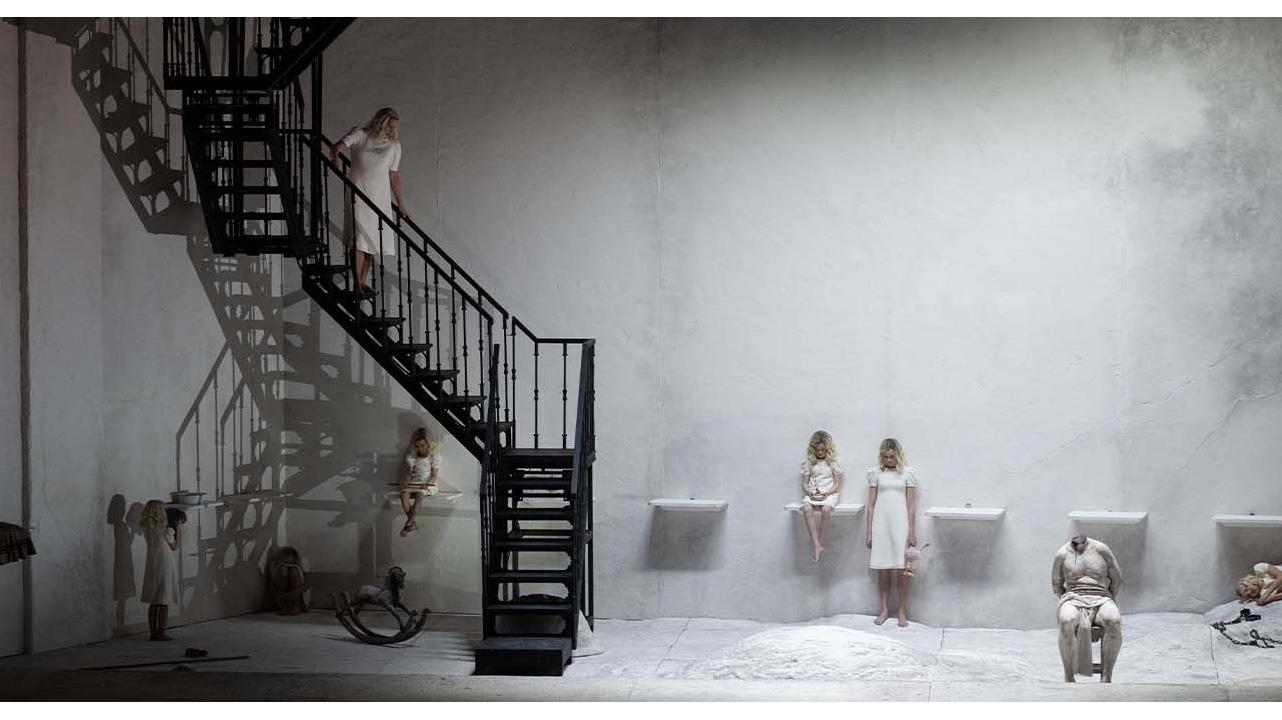
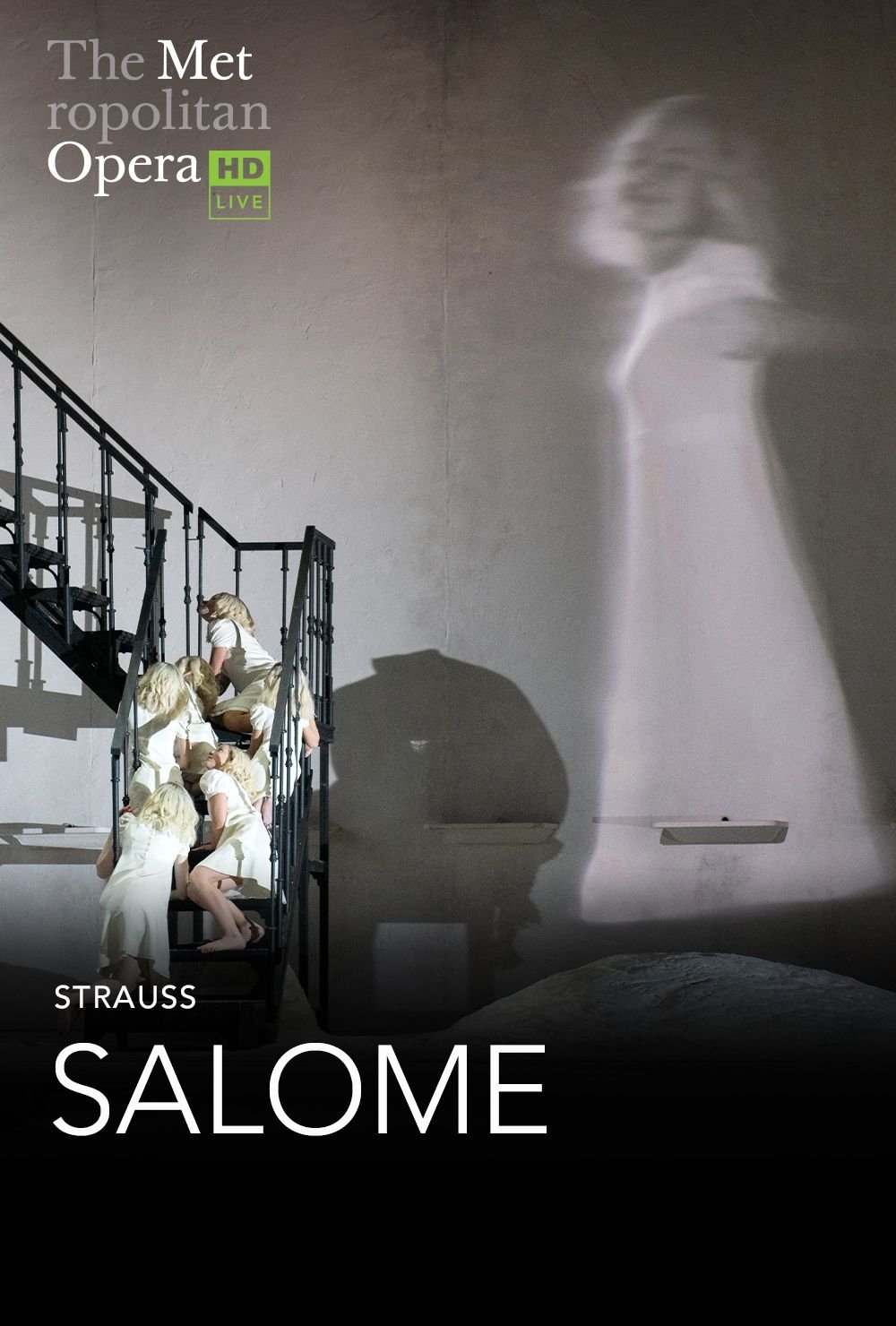
Met performances of Strauss’s white-hot one-act tragedy, which receives its first new production at the company in 20 years. Claus Guth, one of Europe’s leading opera directors, gives the biblical story—already filtered through the beautiful and strange imagination of Oscar Wilde’s play—a psychologically perceptive Victorian-era setting rich in symbolism and subtle shades of darkness and light.
Insights
Plot Summary
Richard Strauss's intense opera, Salome, based on Oscar Wilde's play, tells the story of the young Salome, stepdaughter of King Herod Antipas. Driven by an obsessive desire for John the Baptist, she dances for Herod, who promises her anything she wishes. When he refuses her demand for John's head, Salome tragically gets her wish, leading to a shocking conclusion.
Critical Reception
As a new production for the Metropolitan Opera, critical reception will be forthcoming upon its premiere. However, Strauss's Salome is a widely performed and highly regarded opera, known for its dramatic power, complex score, and controversial themes. Previous productions at the Met have generally been met with critical acclaim for their vocal performances, conducting, and staging.
What Reviewers Say
- Strauss's masterful score is both lush and dissonant, perfectly capturing the opera's psychological tension.
- The role of Salome is vocally demanding and dramatically challenging, requiring a performer of exceptional talent.
- The opera's exploration of obsession, desire, and power remains potent and disturbing.
Google audience: Audience reception for Salome typically praises its powerful musicality and intense dramatic narrative, although some find its themes and violence unsettling. The performances, particularly of the title role, are often highlighted as exceptional.
Awards & Accolades
None notable for this specific 2025 production prior to its premiere. The opera itself has been a cornerstone of the operatic repertoire for over a century.
Fun Fact
The opera Salome was controversial at its premiere in 1905 due to its explicit depiction of desire and violence, leading to its initial banning in several cities.
AI-generated overview · Verify ratings on official sources