
Insights
Plot Summary
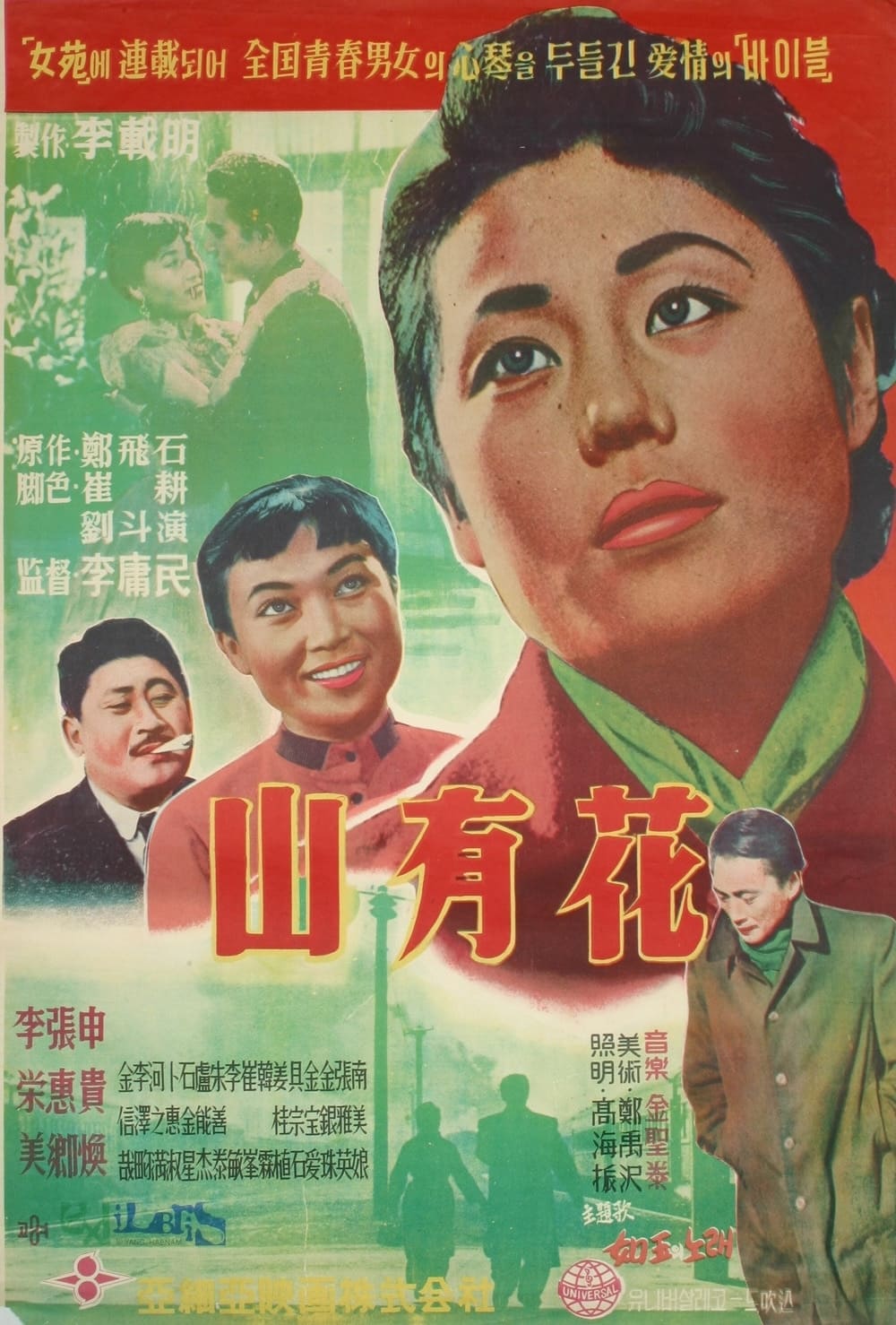
This melodrama follows the tragic story of a woman navigating societal pressures and personal desires in post-war Japan. As she grapples with a difficult past and an uncertain future, her life becomes entangled with complex relationships that test her resolve. The narrative explores themes of love, sacrifice, and the enduring spirit in the face of adversity.
Critical Reception
While specific critical reception for "A Wild Chrysanthemum" from 1957 is difficult to pinpoint with modern metrics, it is recognized as a poignant example of Japanese melodrama from its era, often praised for its emotional depth and strong performances. The film's exploration of female agency and societal constraints resonated with audiences and critics of the time, contributing to its status as a notable work of Japanese cinema.
What Reviewers Say
Praised for its emotional resonance and exploration of societal themes.
Yumeji Tsukioka's performance is often highlighted as a key strength.
Considered a representative work of Japanese melodrama from the 1950s.
Google audience: Audience reviews are scarce for this classic film, but those available often comment on its touching narrative and effective portrayal of complex emotions.
Fun Fact
Director Kihachi Okamoto went on to become a highly respected filmmaker, known for his later works in the samurai and monster genres, but "A Wild Chrysanthemum" showcases his earlier talent for character-driven dramas.
AI-generated overview · Verify ratings on official sources