
Movie spotlight
No Exit
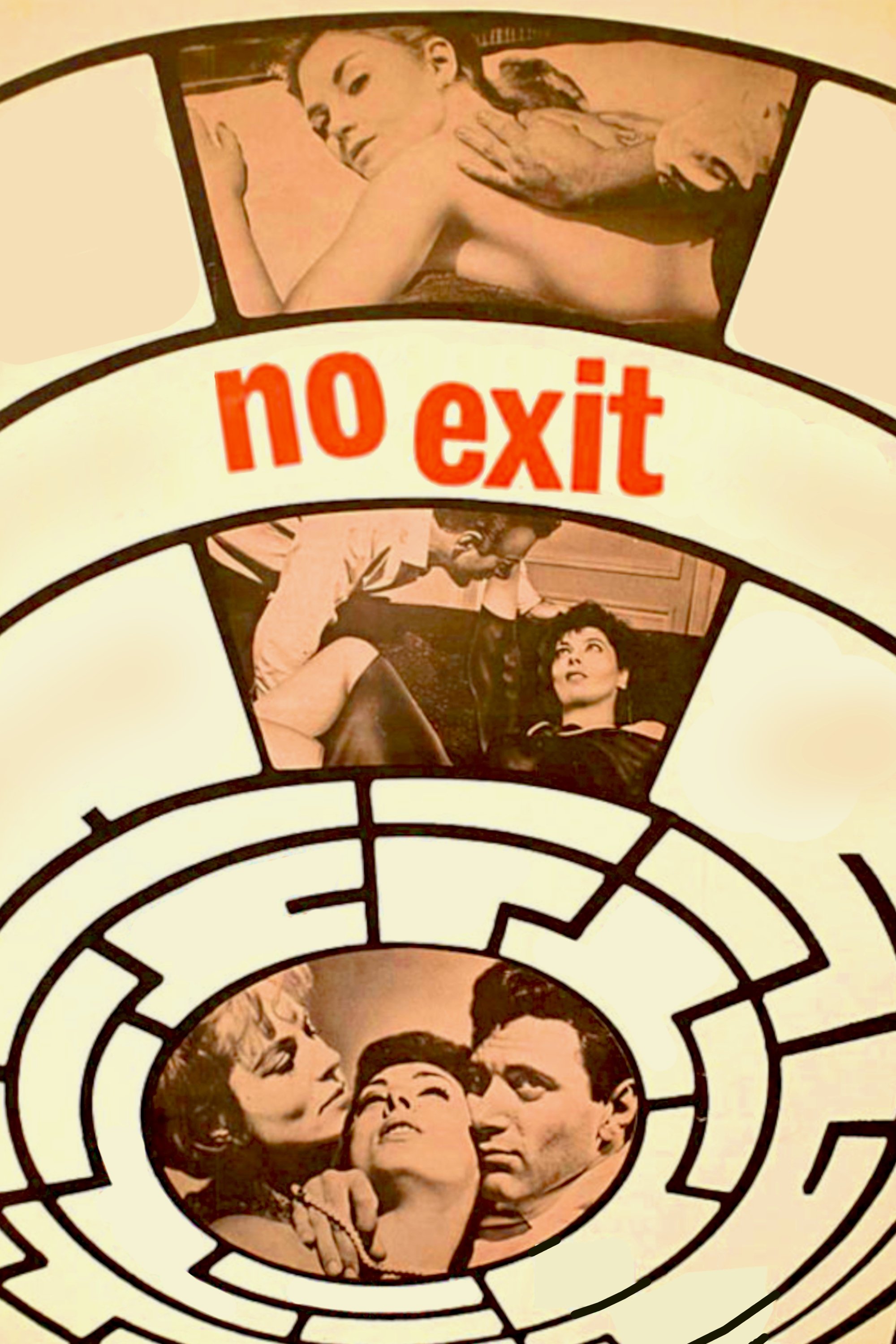
The Valet enters a hotel room with Joseph Garcin in tow. The windowless room has a single entrance and no mirrors. Two women, Inès Serrano and Estelle Rigault, are then led in; afterwards, the Valet leaves and locks the door. Realising that they are in hell, the trio expects to be tortured; however, no torturer is forthcoming. While waiting, they strike up a conversation and discuss each other's sins, desires, and unpleasant memories. Adaptation of the play by Jean-Paul Sartre.
Insights
Plot Summary
In this adaptation of Jean-Paul Sartre's existentialist play, three strangers find themselves locked in a room in hell, which they soon realize is a perpetual torture chamber for their sins. As they confront their past actions and the torment they inflict upon each other, they grapple with themes of guilt, responsibility, and the nature of human existence. The chilling realization dawns that their suffering is not caused by external forces, but by their own inner demons and the inescapable consequences of their lives.
Critical Reception
The 1962 film adaptation of 'No Exit' received mixed to negative reviews, with critics often finding it heavy-handed and less effective than the stage play. While some acknowledged the philosophical weight of Sartre's text, many felt the film failed to translate its existential angst compellingly to the screen. Audience reception was similarly divided, with its dark themes and lack of conventional resolution proving challenging for some.
What Reviewers Say
The film struggles to capture the claustrophobic intensity and philosophical depth of its theatrical source material.
Performances are sometimes overshadowed by the film's deliberate pacing and ponderous dialogue.
The bleak and unforgiving nature of the narrative offers little comfort or conventional resolution for viewers.
Google audience: Google user reviews for this specific film adaptation are scarce, making it difficult to ascertain a definitive summary of audience sentiment. However, general discussions around existentialist cinema suggest that audiences often find these themes challenging and may appreciate intellectual stimulation over conventional entertainment.
Fun Fact
The film adaptation was directed by Tad Danielewski, who was also known for his work in television and later became a significant figure in the development of film education programs.
AI-generated overview · Verify ratings on official sources