Movie spotlight
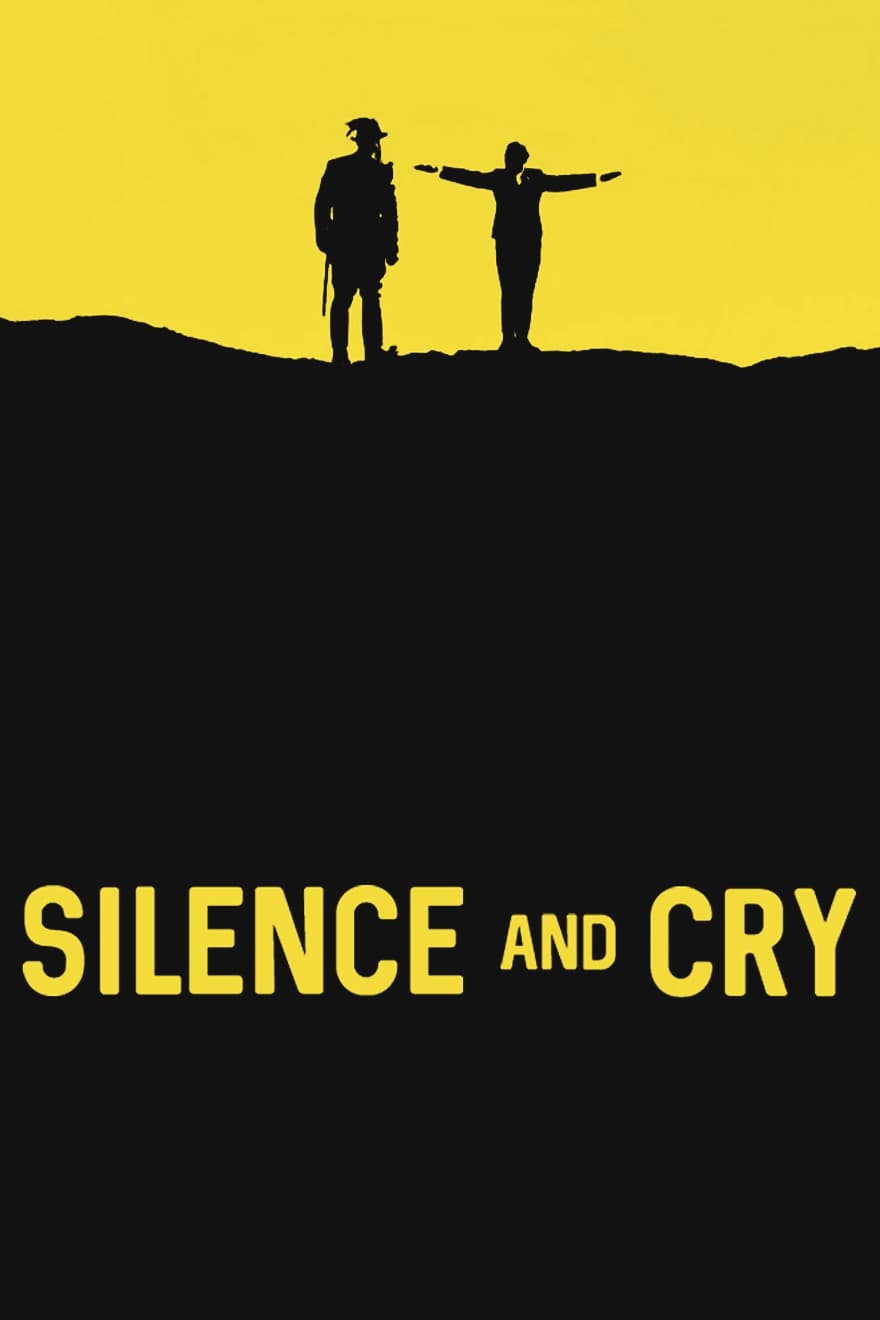
Silence and Cry
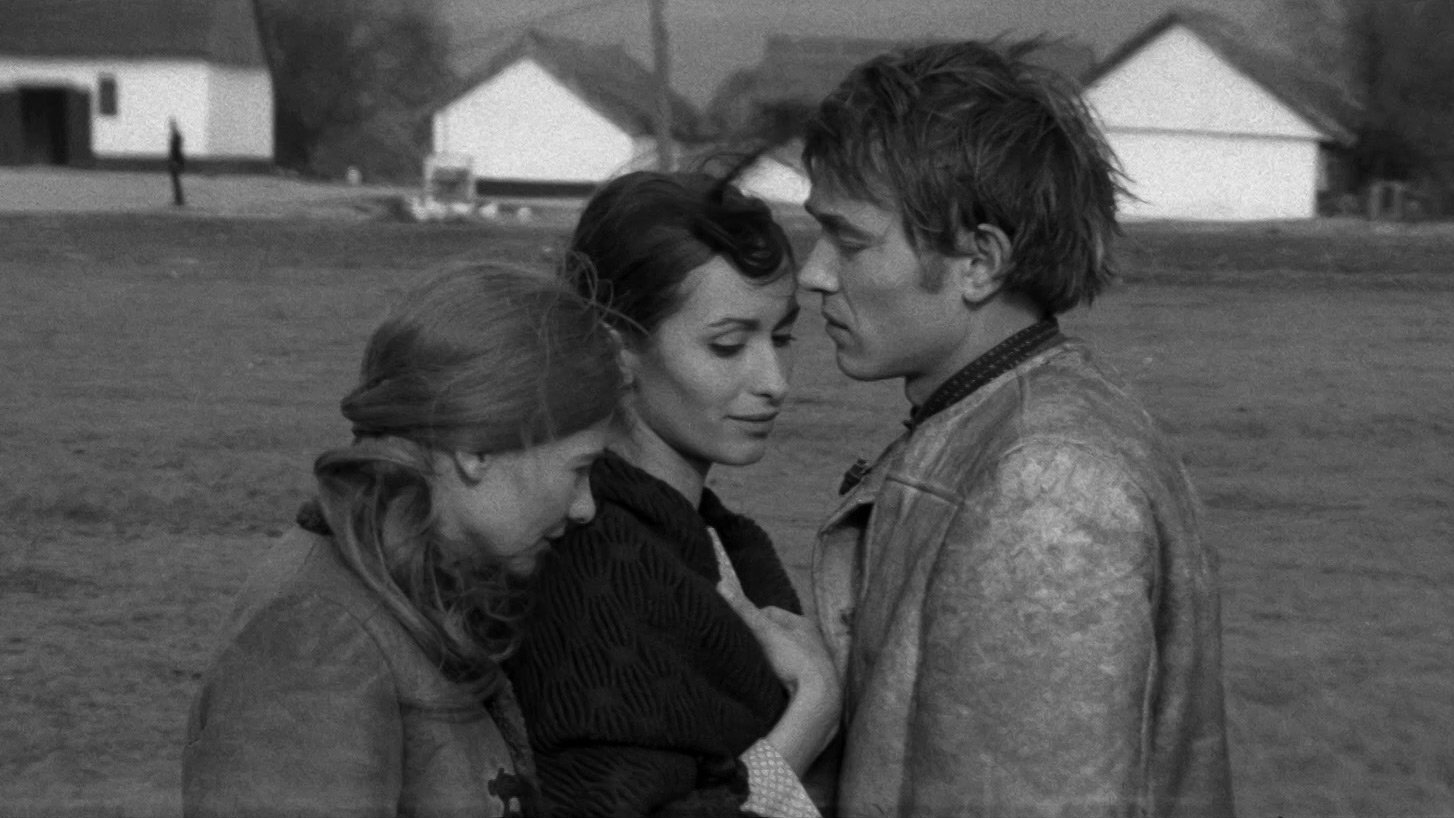
Set during a turbulent era of disquiet, fear, persecution and terror, which permeates every corner of post-WWI Hungarian society. In 1919, after just a few months of communist rule the Hungarian Republic of Councils falls victim to a nationalist counter-revolution. Admiral Horthy, leader of the nationalist far right movement, becomes the self-proclaimed regent of Hungary, and assumes power as the legal Head of State. Soldiers of the short-lived Hungarian Red Army are now on the run from relentless secret policemen and patrol units of the nationalist Royal Gendarme. If caught, ex-Red Army soldiers are executed without mercy or proper trial. István Cserzi, a former soldier of the Red Army has fled to the Great Hungarian Plains and has taken refuge on a farm, which is run by two sympathetic women.
Insights
Plot Summary
In the chaotic aftermath of World War I, a group of Hungarian soldiers, disillusioned and weary, are ordered to guard a local priest suspected of collaborating with the enemy. As they await their orders, the soldiers grapple with their own moral ambiguities and the futility of war. Tensions rise within the camp, and the lines between right and wrong blur as they confront their own humanity amidst the lingering violence and uncertainty.
Critical Reception
Miklós Jancsó's "Silence and Cry" is a stark and haunting examination of post-war trauma and moral compromise, widely acclaimed for its minimalist aesthetic and profound thematic depth. Critics lauded its unflinching portrayal of disillusionment and the psychological toll of conflict, cementing its status as a significant work of Hungarian cinema. Audience reception, while perhaps more challenging due to its demanding style, recognized its artistic merit and intellectual rigor.
What Reviewers Say
Praised for its stark, allegorical style and haunting atmosphere.
Recognized for its profound exploration of guilt, complicity, and the lingering effects of war.
Jancsó's signature long takes and minimalist compositions are highlighted as central to the film's power.
Google audience: Information on specific Google user reviews for "Silence and Cry" is not readily available.
Awards & Accolades
Nominated for the Golden Bear at the 18th Berlin International Film Festival (1968).
Fun Fact
The film's stark, open landscapes and choreographed movements are characteristic of Jancsó's unique cinematic style, which often uses vast natural settings to represent oppressive or complex psychological states.
AI-generated overview · Verify ratings on official sources