
Movie spotlight
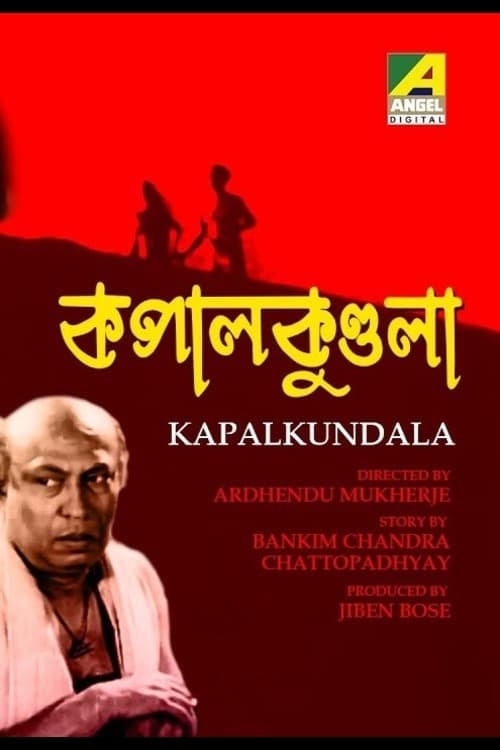
Kapalkundala
Nabakumar, a young gentleman from Saptagram, got lost in a forest while returning from pilgrimage in Gangasagar. He met a Tantric sage who trapped him, intending to make him a sacrifice to goddess Kali; but was later freed secretly by Kapalkundala. The priest urged Nabakumar to take Kapalkundala away from her wicked foster-father and also showed Nabakumar his way to Saptagram. Now re-christened as Mrinmoyee. The sage, on the other hand, got annoyed at Kapalkundala’s betrayal and began to plot his revenge. In the meantime, Nabakumar met Padmabati, his first wife, who was converted to Islam by his father, making Nabakumar to desert her. Padmabati, now renamed as Motibibi, expressed her love for Nabakumar, but he refused her. Later the sage came to Saptagram and met Motibibi. The sage wanted to kill Kapalkundala, but Motibibi wanted to separate her from Nabkumar only.
Insights
Plot Summary
Based on the classic Bengali novel by Bankim Chandra Chatterjee, the film tells the story of Kapal Kundala, a beautiful young woman raised by a Kapalik ascetic in a secluded temple. She is forced to marry a devoted Brahmin, Nabakumar, and experiences love and betrayal as societal norms and fate intervene. The narrative explores themes of destiny, duty, and the clash between spiritual upbringing and worldly desires.
Critical Reception
Kapalkundala (1952) is a significant film in early Bengali cinema, celebrated for its artistic direction and the performances of its lead actors. While specific critical reviews from the era are scarce, its enduring legacy points to a positive reception for its faithful adaptation of a literary masterpiece and its evocative portrayal of complex human emotions. It is regarded as a landmark film in Bimal Roy's directorial career.
What Reviewers Say
Praised for its sensitive direction and poignant portrayal of a tragic love story.
The performances, particularly of Suchitra Sen and Ashok Kumar, are highlighted for their depth and emotional resonance.
Appreciated for its faithful and artistic adaptation of Bankim Chandra Chatterjee's seminal novel.
Google audience: Audience reception information for this classic Bengali film from 1952 is not readily available through current Google user reviews. However, its status as a foundational work in Bengali cinema suggests a strong historical appreciation among audiences for its storytelling and artistic merit.
Fun Fact
The film is an adaptation of Bankim Chandra Chatterjee's second novel, also titled 'Kapalkundala', which was first published in 1866. It was one of the earliest attempts to bring this classic literary work to the cinematic screen.
AI-generated overview · Verify ratings on official sources