
Insights
Plot Summary
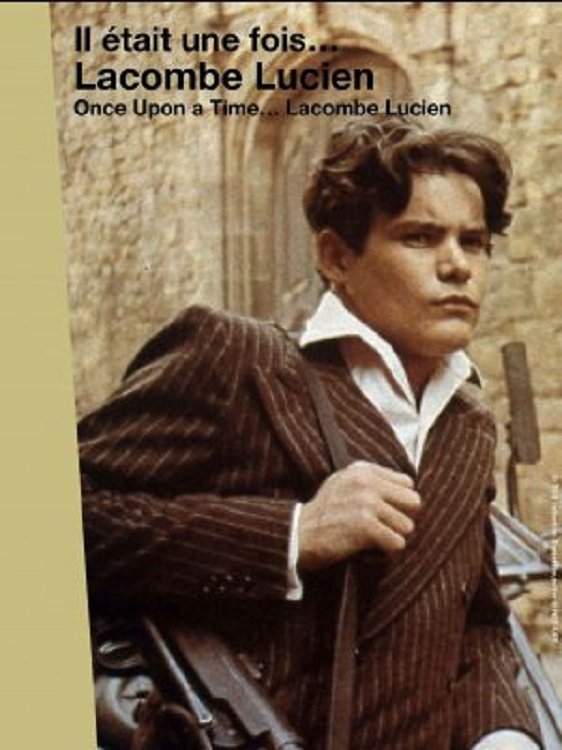
In the final year of Nazi occupation in France, a young, unmotivated farm boy named Lucien Lacombe is rejected from joining the French Resistance. Seeking a sense of belonging and power, he instead joins the collaborationist Milice. As he navigates his new role, he becomes entangled in a complex relationship with a Jewish woman hiding in the town, blurring the lines between his imposed duties and his burgeoning desires.
Critical Reception
Louis Malle's 'Lacombe, Lucien' is a controversial yet critically acclaimed film that stirred significant debate upon its release. It's recognized for its unflinching portrayal of collaboration and moral ambiguity during wartime, eschewing traditional heroic narratives. While some critics found its depiction of a young collaborator problematic, many praised its nuanced character study and Malle's masterful direction in capturing the complex realities of occupied France.
What Reviewers Say
A disturbing yet compelling exploration of moral compromise during wartime.
Praised for its nuanced portrayal of a complex, unsympathetic protagonist.
Critically lauded for Louis Malle's sensitive direction and atmospheric depiction of occupied France.
Google audience: Viewers often find 'Lacombe, Lucien' to be a thought-provoking and challenging film that offers a stark look at collaboration. While some are unsettled by the protagonist's actions, many appreciate its historical depth and Malle's artistic execution, noting its ability to provoke discussion about morality and wartime choices.
Awards & Accolades
Nominated for the Palme d'Or at the 1974 Cannes Film Festival.
Fun Fact
Louis Malle initially struggled to find an actor for the titular role, eventually casting Pierre Blaise after seeing him in a cafe.
AI-generated overview · Verify ratings on official sources