Movie spotlight
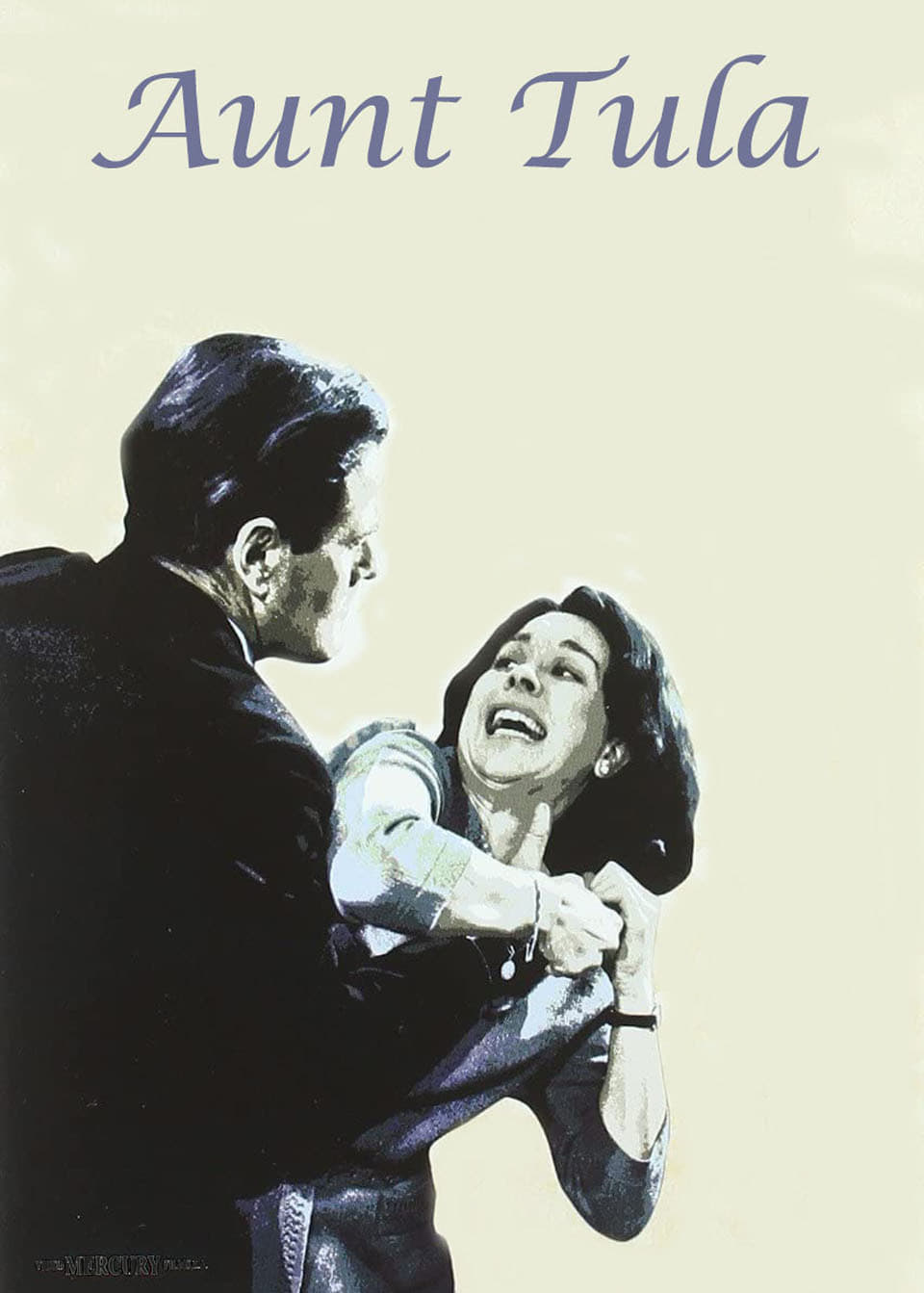
Aunt Tula
A widower finds himself falling for his sister-in-law.
Insights
Plot Summary
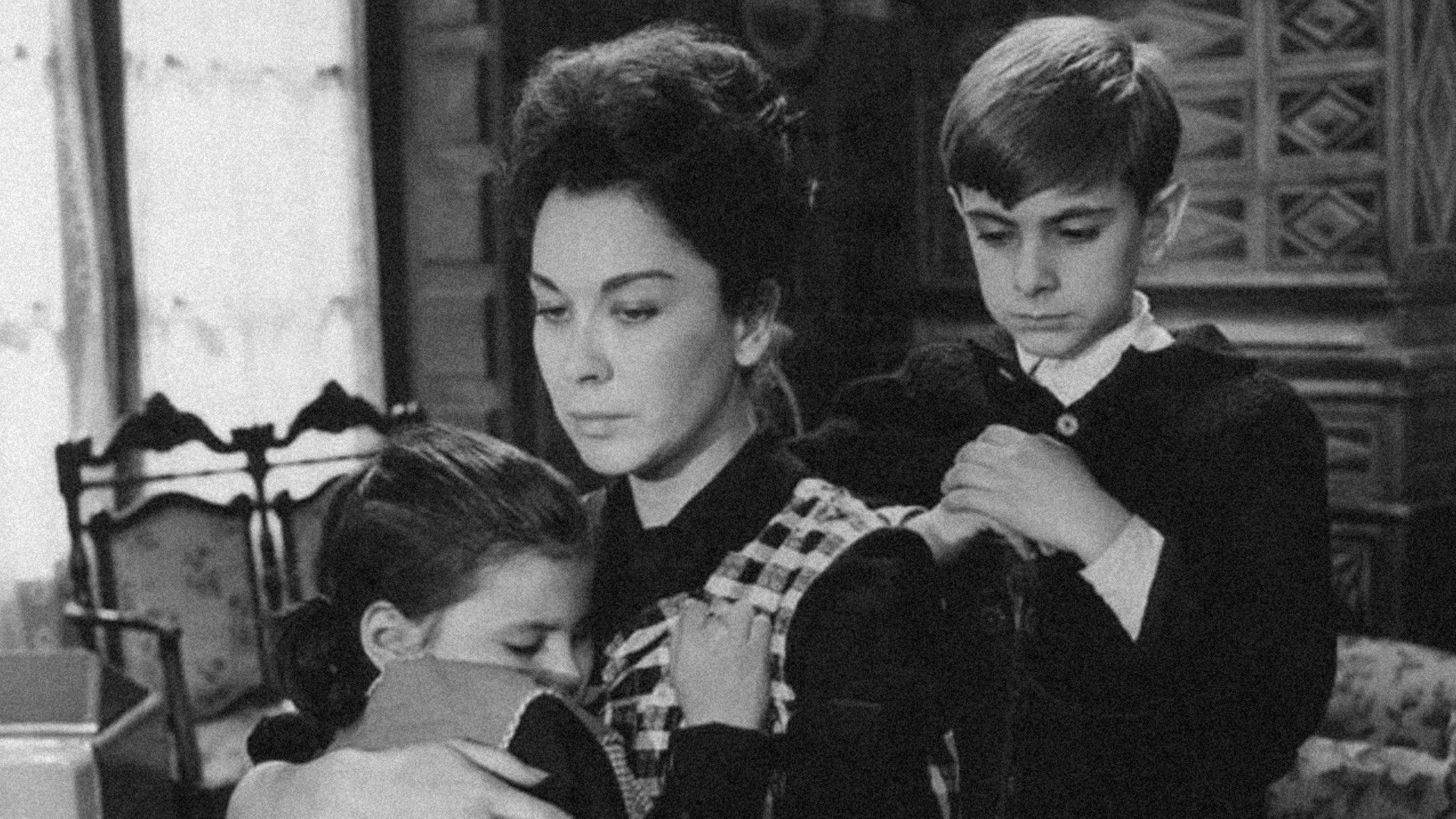
In a rural Spanish village, the powerful and authoritarian Doña Remedios, known as Aunt Tula, lives with her two nieces, Teresa and Rosa. She exerts complete control over their lives, particularly their romantic prospects, to ensure they remain unmarried and under her dominion. However, when a young man named Jorge arrives, he begins to challenge Tula's iron grip, leading to a dramatic clash of wills and ultimately tragic consequences.
Critical Reception
Aunt Tula was a significant film in the Spanish New Wave (Nuevo Cine Español). It was critically acclaimed for its intense psychological drama, strong performances, and unflinching look at societal repression and female power. While it may not have achieved widespread international fame, it is recognized as an important work of Spanish cinema.
What Reviewers Say
Praised for its powerful portrayal of a dominant female character.
Commended for its atmospheric direction and strong performances, particularly Aurora Bautista.
Considered a notable example of psychological drama within Spanish cinema.
Google audience: Information regarding specific Google user reviews for 'Aunt Tula' is not readily available. However, its critical standing suggests it resonated deeply with those who appreciated its dramatic intensity and thematic depth.
Awards & Accolades
Nominated for the Golden Bear at the 1964 Berlin International Film Festival.
Fun Fact
The film's stark portrayal of a controlling matriarch and its exploration of themes like repression and hidden desires were considered quite daring for Spanish cinema of the 1960s.
AI-generated overview · Verify ratings on official sources