Movie spotlight
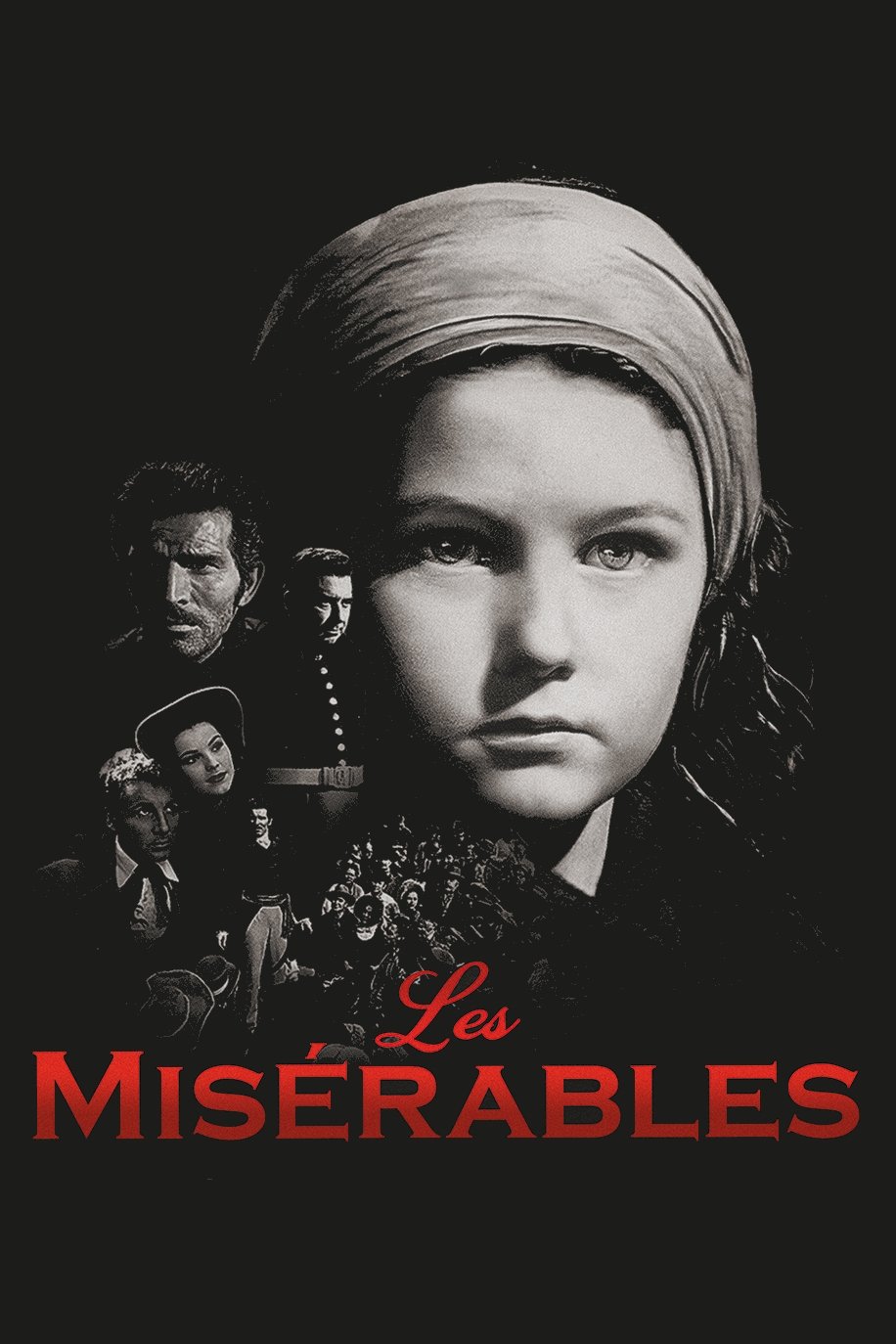
Les Miserables
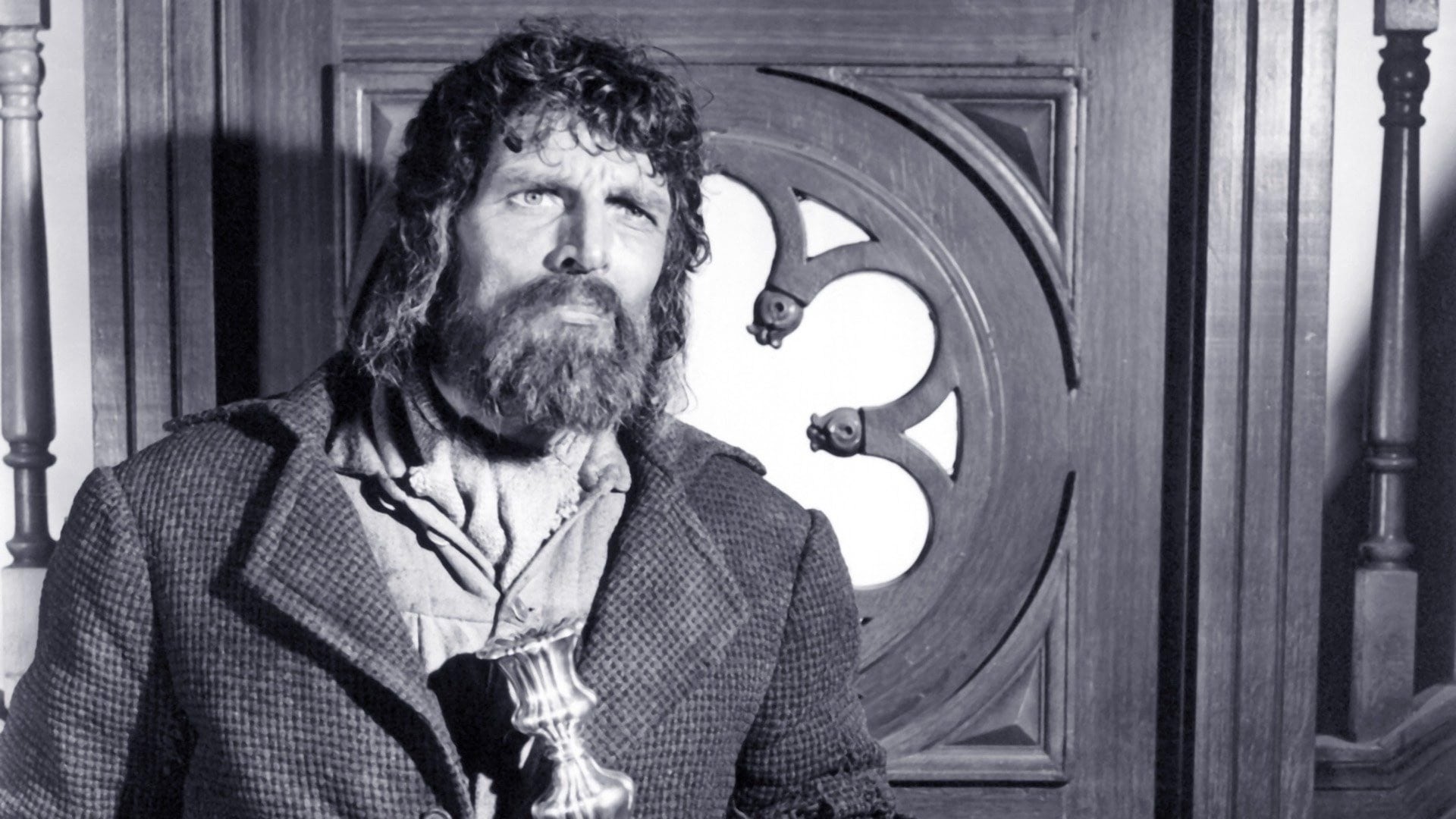
In 19th century France, Jean Valjean, a man imprisoned for stealing bread, must flee a relentless policeman named Javert. The pursuit consumes both men's lives, and soon Valjean finds himself in the midst of the student revolutions in France.
Insights
Plot Summary
In 19th-century France, Jean Valjean, a former convict struggling to escape his past, is pursued relentlessly by the tenacious Inspector Javert. Valjean breaks his parole to care for a young girl, Cosette, and finds himself entangled in the lives of revolutionaries and the poor, all while trying to find redemption and a new life.
Critical Reception
The 1952 adaptation of Les Misérables is a grand and sweeping epic, lauded for its faithfulness to Victor Hugo's monumental novel and its powerful performances. Jean Gabin's portrayal of Jean Valjean is particularly noted for its gravitas and emotional depth, making it a landmark in French cinema.
What Reviewers Say
Praised for its epic scope and faithful adaptation of the classic novel.
Jean Gabin's central performance as Jean Valjean is considered a masterclass in acting.
The film successfully captures the historical atmosphere and the emotional weight of Hugo's story.
Google audience: Audience reception data is not readily available for this classic film on Google's platform. However, it is generally regarded by film enthusiasts as a significant and well-made adaptation of a literary masterpiece.
Fun Fact
This French adaptation is one of the earliest major film versions of Victor Hugo's novel, predating the famous 1935 American version and the later 1958, 1978, and 1998 adaptations.
AI-generated overview · Verify ratings on official sources