Movie spotlight
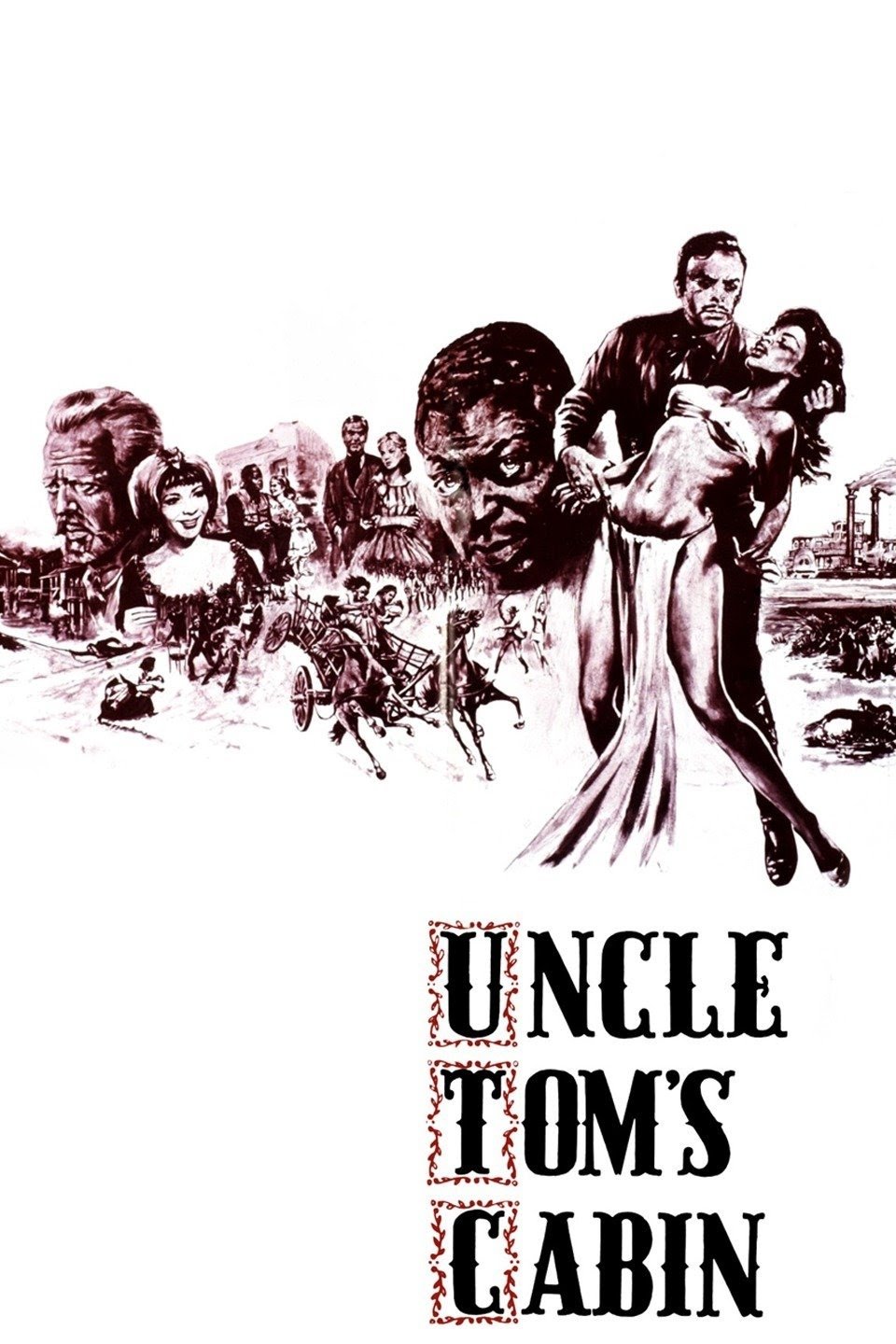
Uncle Tom's Cabin
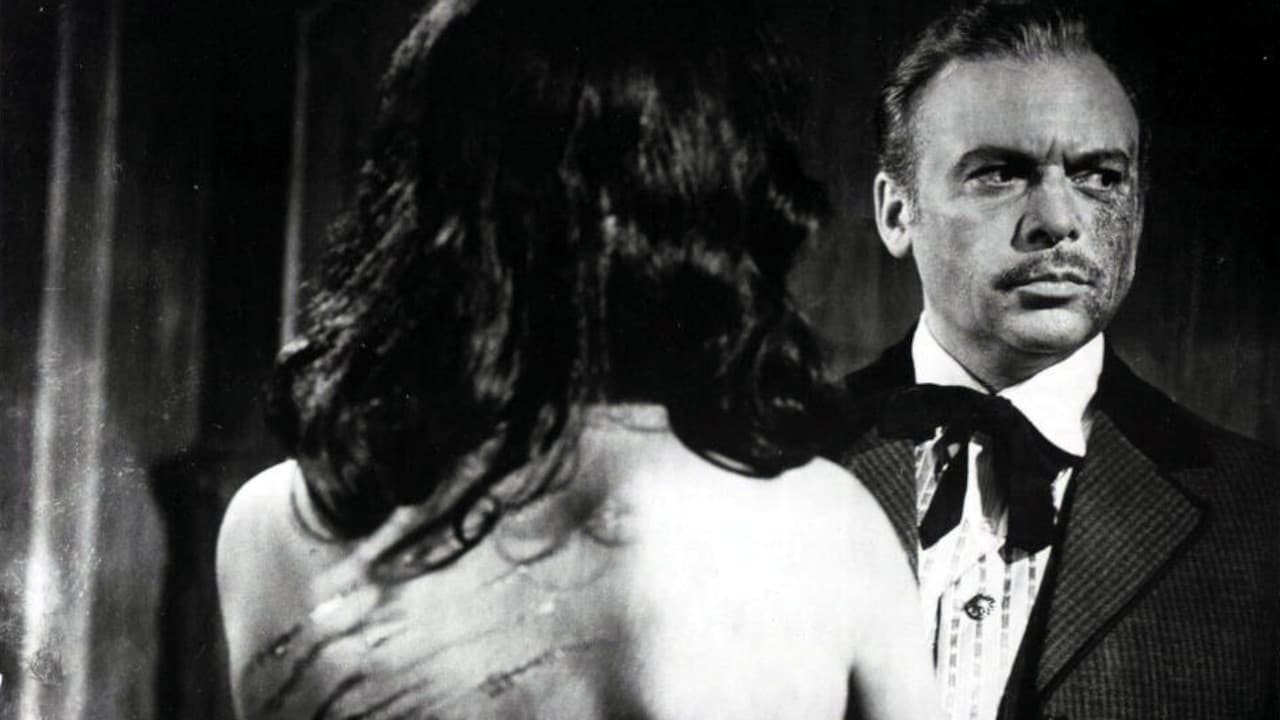
In the pre-Civil War South, a sadistic plantation owner brutalizes his slaves to the point of rebellion. Always obedient, peaceful and honest old slave Tom plays a central role in this tragedy.
Insights
Plot Summary
This adaptation of Harriet Beecher Stowe's anti-slavery novel follows the life of Uncle Tom, an enslaved man who endures hardship and mistreatment. He is sold multiple times, facing cruelty from his owners, including the sadistic Simon Legree. Despite his suffering, Tom maintains his Christian faith and offers moral guidance to those around him.
Critical Reception
The 1965 film adaptation of 'Uncle Tom's Cabin' received a mixed reception. While some appreciated the attempt to bring the seminal anti-slavery novel to the screen, many critics found the production to be melodramatic and dated, failing to capture the nuance and impact of the original text. Its perceived faithfulness to the book was often seen as a weakness in the context of mid-20th-century filmmaking.
What Reviewers Say
Praised for its ambitious undertaking of a classic novel.
Criticized for its melodramatic tone and dated portrayal of sensitive themes.
Seen as a less impactful adaptation compared to other cinematic works.
Google audience: Audience reception for this specific 1965 adaptation is not widely documented on Google platforms, making it difficult to summarize specific likes or dislikes. General interest in the story often stems from its historical significance and controversial legacy.
Fun Fact
This was one of many adaptations of Harriet Beecher Stowe's novel, with earlier versions dating back to the silent film era and a particularly popular stage play that predated cinema.
AI-generated overview · Verify ratings on official sources