Movie spotlight
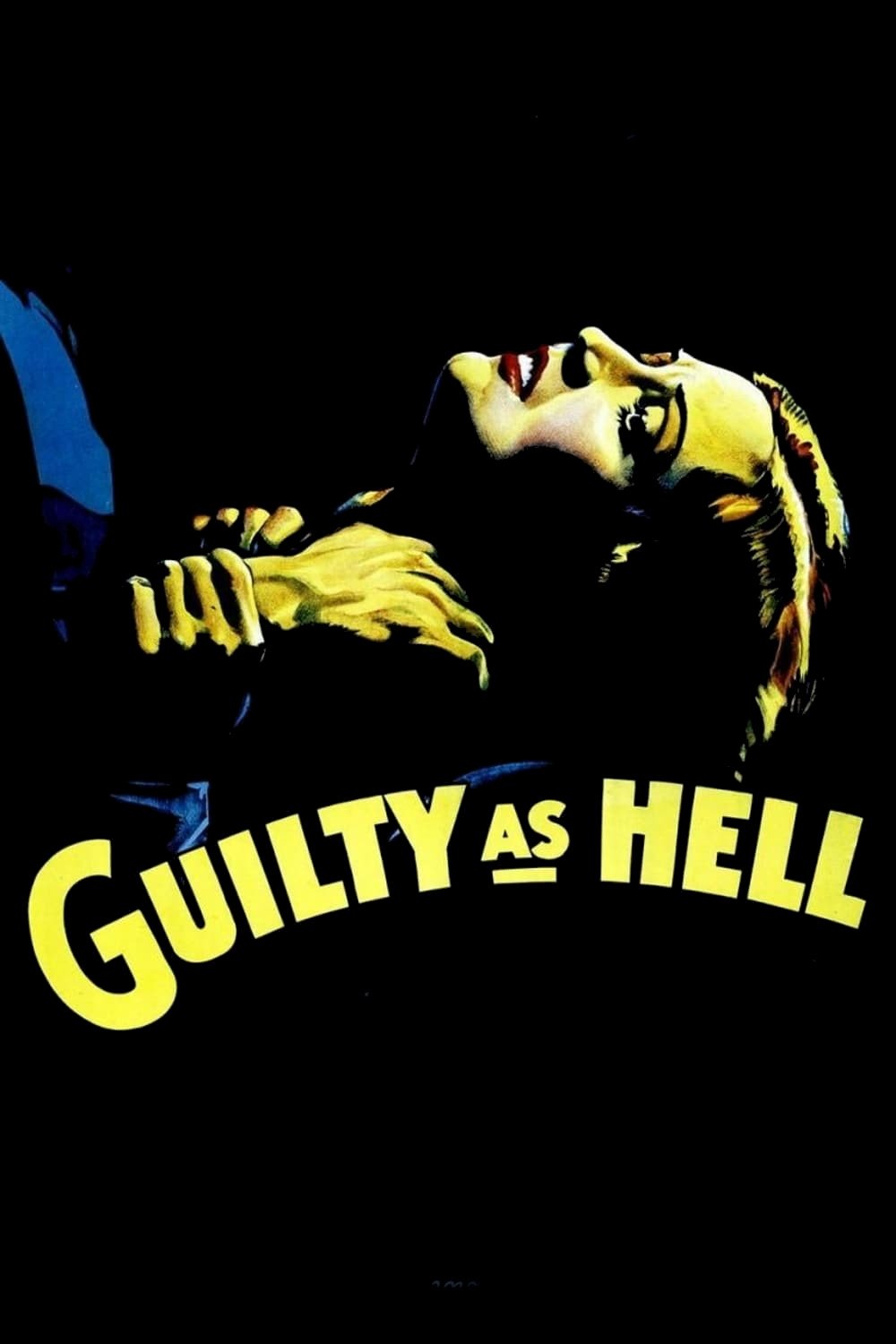
Guilty as Hell
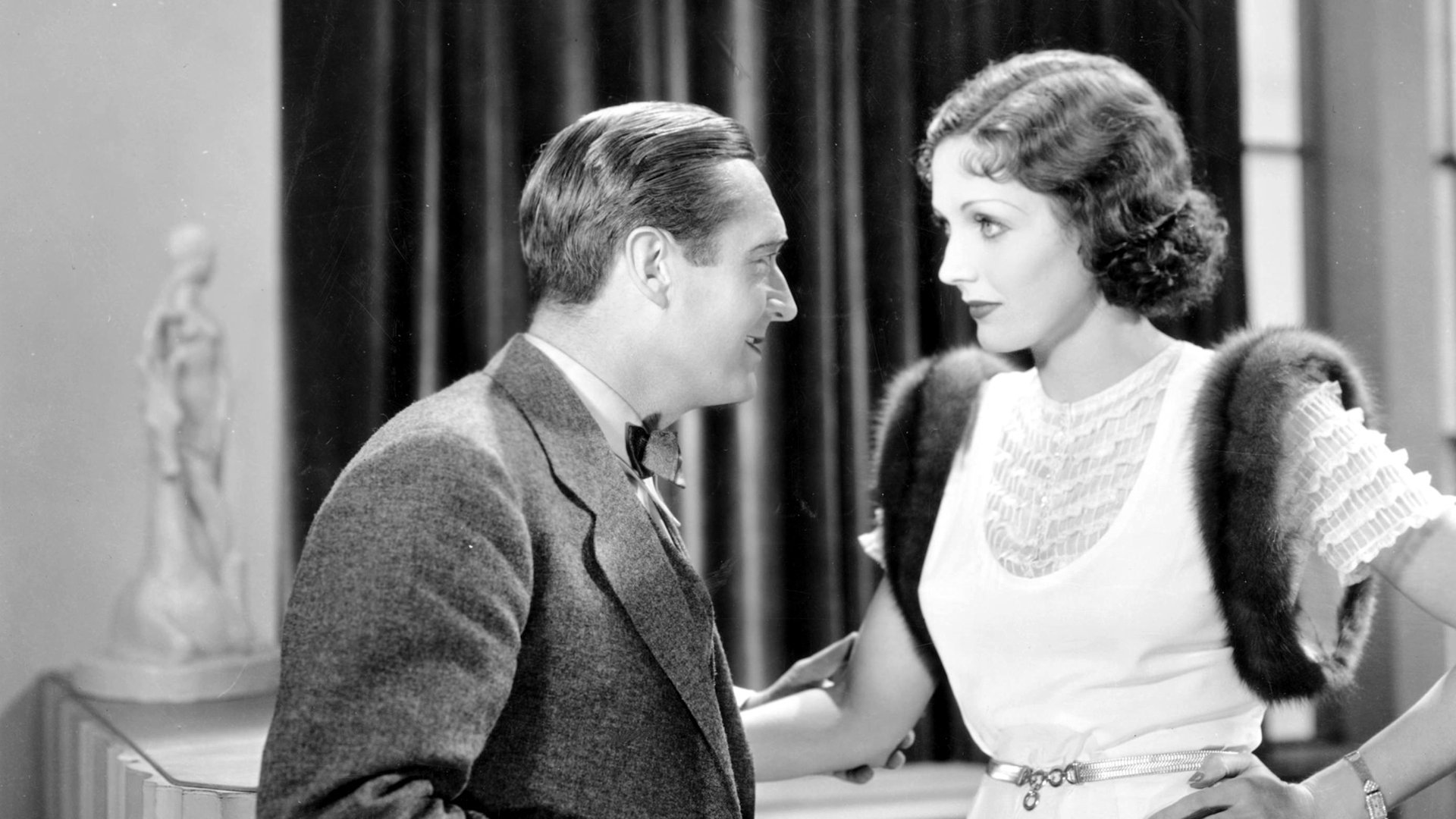
Richard Arlen is the convicted murderer and Adrienne Ames his sister who believes in his innocence. We see the murder and the framing set-up at the beginning of the film, so there’s no mystery for the audience to solve. Just the pleasure of watching an intricate cat-and-mouse game, with the murderer one step ahead of his pursuers until the final, tense confrontation.
Insights
Plot Summary
A lawyer takes on a case defending a beautiful woman accused of murdering her wealthy husband. As he delves deeper into the investigation, he becomes entangled in a web of deceit and danger, questioning his client's innocence and his own motives. The case takes unexpected turns, revealing hidden secrets and a surprising killer.
Critical Reception
Guilty as Hell was met with a mixed reception upon its release. While some critics praised its fast-paced plot and the performances of its lead actors, others found the story to be somewhat formulaic and predictable. The film is generally considered a competent, though not groundbreaking, entry in the pre-Code crime drama genre.
What Reviewers Say
Praised for its brisk pacing and engaging performances, particularly from Fay Wray.
Criticized by some for a predictable plot and a reliance on genre conventions.
Considered a solid, if unremarkable, example of early 1930s crime thrillers.
Google audience: Audience reception information for 'Guilty as Hell' (1932) is not readily available in aggregate form through Google Reviews.
Fun Fact
Despite its title suggesting a crime drama, the film also incorporates elements of romantic comedy, with several lighthearted and humorous exchanges between the characters, particularly involving Jack Oakie's character.
AI-generated overview · Verify ratings on official sources