
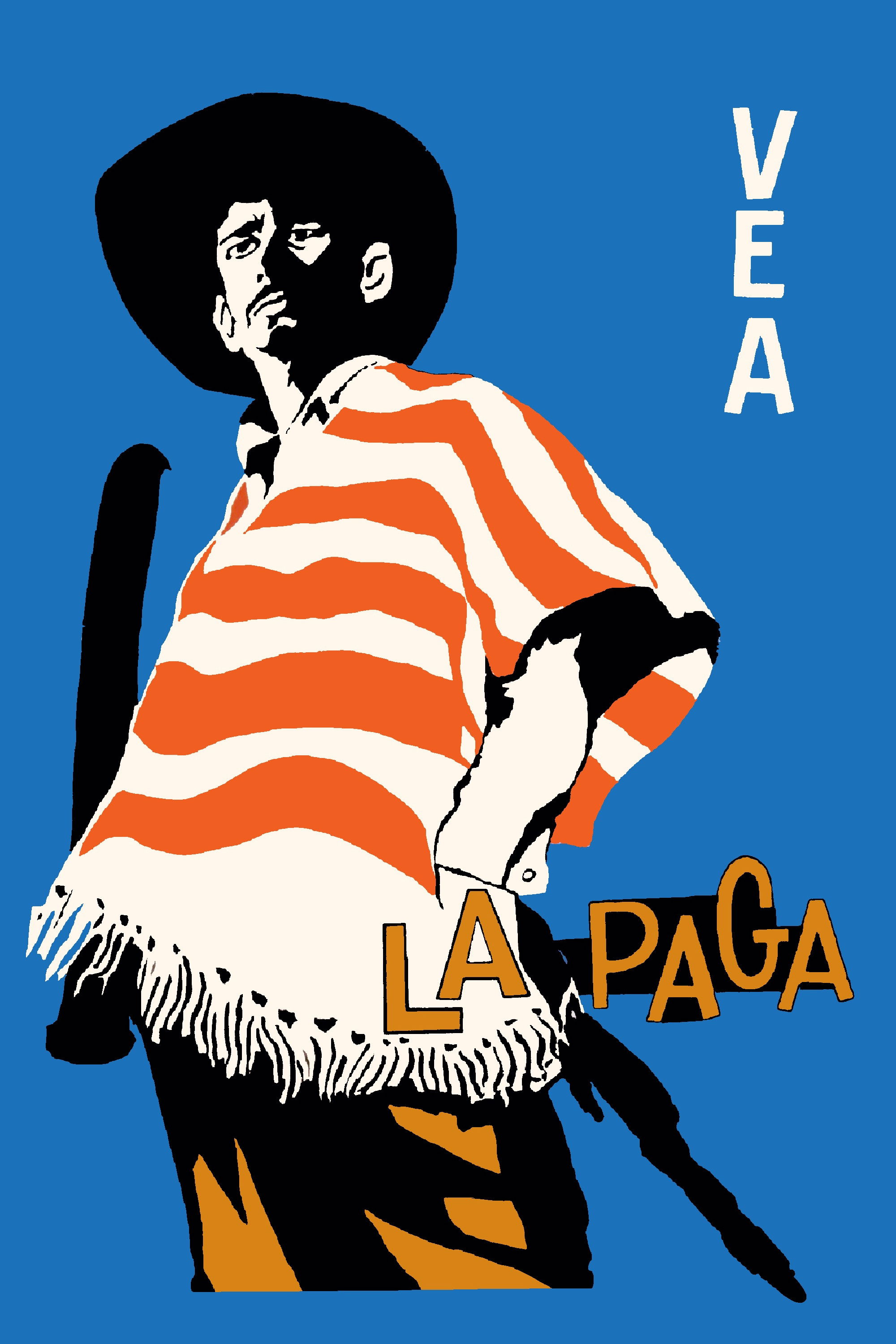
Movie spotlight
The Wage
In the Colombian-Venezuelan Andes, a peasant works the land under exploitative conditions to ensure the survival of his family. His son is ill, his wife is pregnant, and he himself reproduces the violence that surrounds him. With no money for medical treatment, one night he gets drunk and is arrested. In jail, in a burst of fury, he rebels against the town's political boss in the only way he can. La Paga was a pioneering work of social and political cinema in Latin America, released the same year as Barravento, Glauber Rocha’s debut feature, and anticipating movements such as Third Cinema. Influenced by Italian Neorealism and Soviet cinema in its aesthetics, forms, and ideological approach, the film uses the archetypal representation of characters and the social and economic forces they embody. Based on the director’s childhood observations in his hometown, La Paga denounces the exploitation of the rural peasantry.
Insights
Plot Summary
A bleak drama set in the confines of a grim factory, 'The Wage' explores the monotonous and dehumanizing existence of its workers. The film focuses on their daily struggles, the oppressive atmosphere, and the internal conflicts that arise from their shared hardship. It depicts the quiet desperation and the search for meaning within a system that offers little hope. The narrative is a stark portrayal of working-class life and the psychological toll it takes.
Critical Reception
As a television play, 'The Wage' received limited critical attention upon its initial broadcast. However, it is recognized for its stark realism and powerful depiction of industrial labor. Its early exploration of themes common in later social dramas has been noted by those who have studied the period's television output.
What Reviewers Say
Praised for its unflinching portrayal of factory life.
Commended for its realistic dialogue and characterizations.
Noted for its grim yet impactful atmosphere.
Google audience: Information on Google user reviews for this television play is not readily available.
Fun Fact
Originally broadcast as part of the BBC's 'The Wednesday Play' anthology series, which was known for its controversial and socially relevant dramas.
AI-generated overview · Verify ratings on official sources