
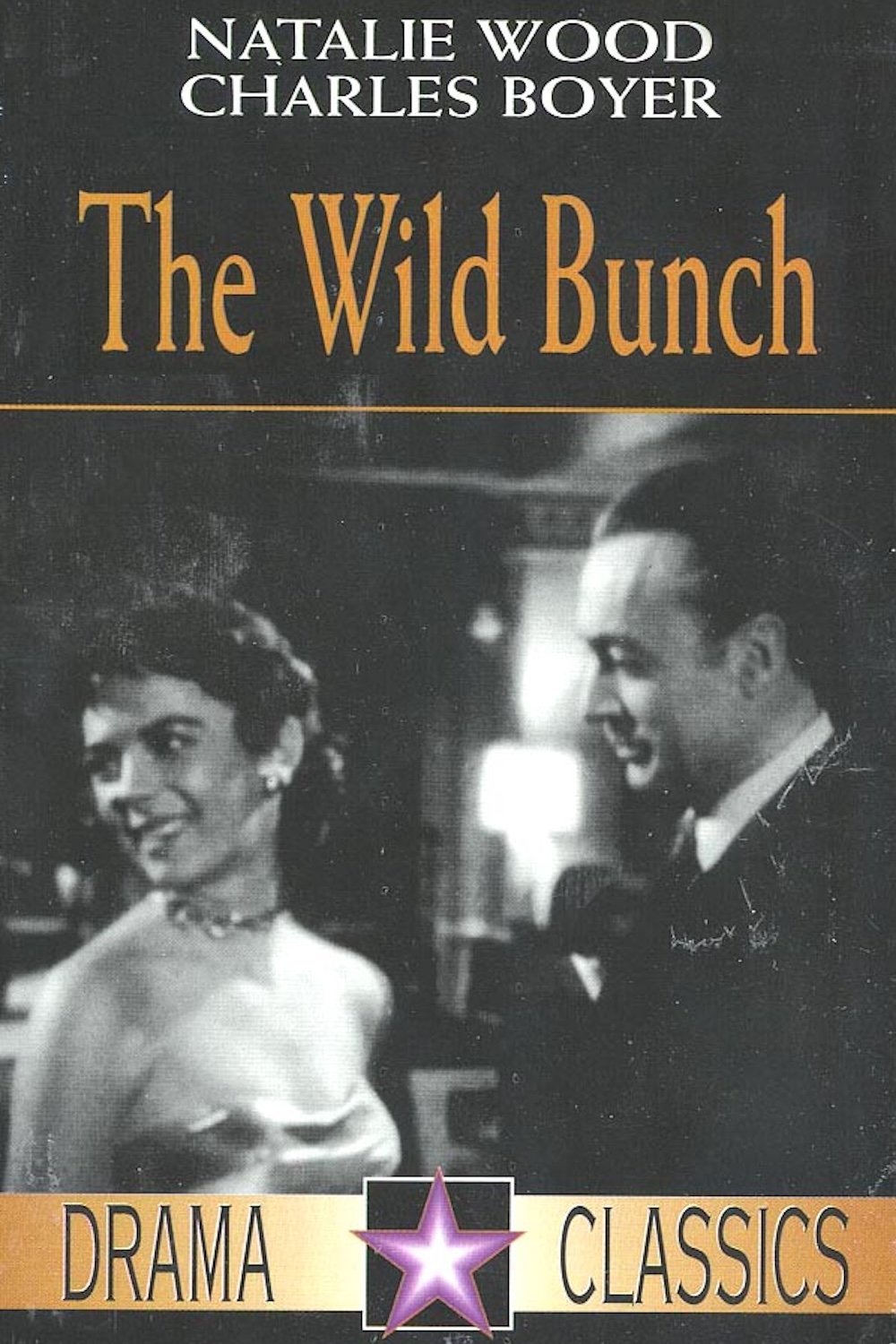
The Wild Bunch
On the way home after their honeymoon, a bride confesses two things to her groom: She's wealthy and has three teenage children plus a dog waiting for them at her home. He soon learns that they're a wild bunch in need of taming.
Insights
Plot Summary
In 1913, aging outlaw Pike Bishop and his dwindling gang attempt one last, dangerous score in the border town of Starbuck, Texas. Betrayed by their former associate Deke Thornton, now a bounty hunter, the Bunch finds themselves caught between Thornton's relentless pursuit and the ruthless Mexican general Mapache's forces. As they flee into revolution-torn Mexico with stolen gold, their brutal fight for survival becomes a bloody, poignant farewell to the dying era of the Old West.
Critical Reception
The Wild Bunch is a landmark of revisionist Western cinema, lauded for its visceral violence, complex characters, and unflinching portrayal of the end of the frontier. While initially controversial for its graphic content, it is now widely considered a masterpiece, praised for its technical achievements, anti-heroic protagonists, and exploration of themes like loyalty, betrayal, and mortality. Critics and audiences alike acknowledge its groundbreaking impact on the genre.
What Reviewers Say
- Praised for its groundbreaking, graphic violence and complex, morally ambiguous characters.
- Seen as a profound and elegiac elegy for the dying American West.
- Lauded for Sam Peckinpah's directorial vision and innovative filmmaking techniques.
Google audience: Google users overwhelmingly praise 'The Wild Bunch' for its gritty realism, intense action sequences, and compelling, albeit morally compromised, characters. Many appreciate its historical significance as a turning point in Western filmmaking and its mature exploration of themes. Some find the violence excessive, but the overall sentiment is one of admiration for its artistry and impact.
Awards & Accolades
Nominated for Academy Awards for Best Original Score and Best Sound. Recognized by the National Board of Review as one of the Top Ten Films of 1969.
Fun Fact
The distinctive 'slow-motion' violence sequences, which became a hallmark of Peckinpah's style, were inspired by the director's observations of real gunfights and his desire to convey the chaotic, disorienting reality of such events.
AI-generated overview · Verify ratings on official sources