Movie spotlight
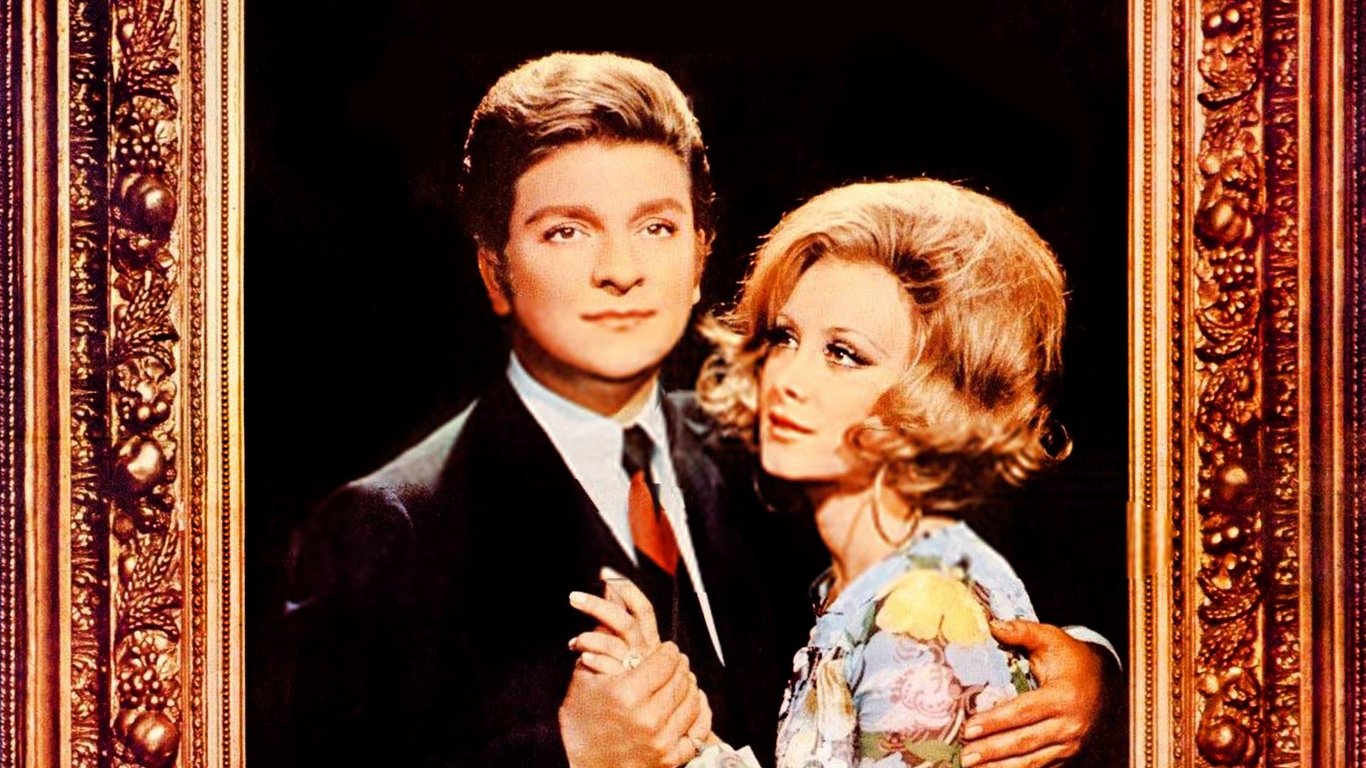
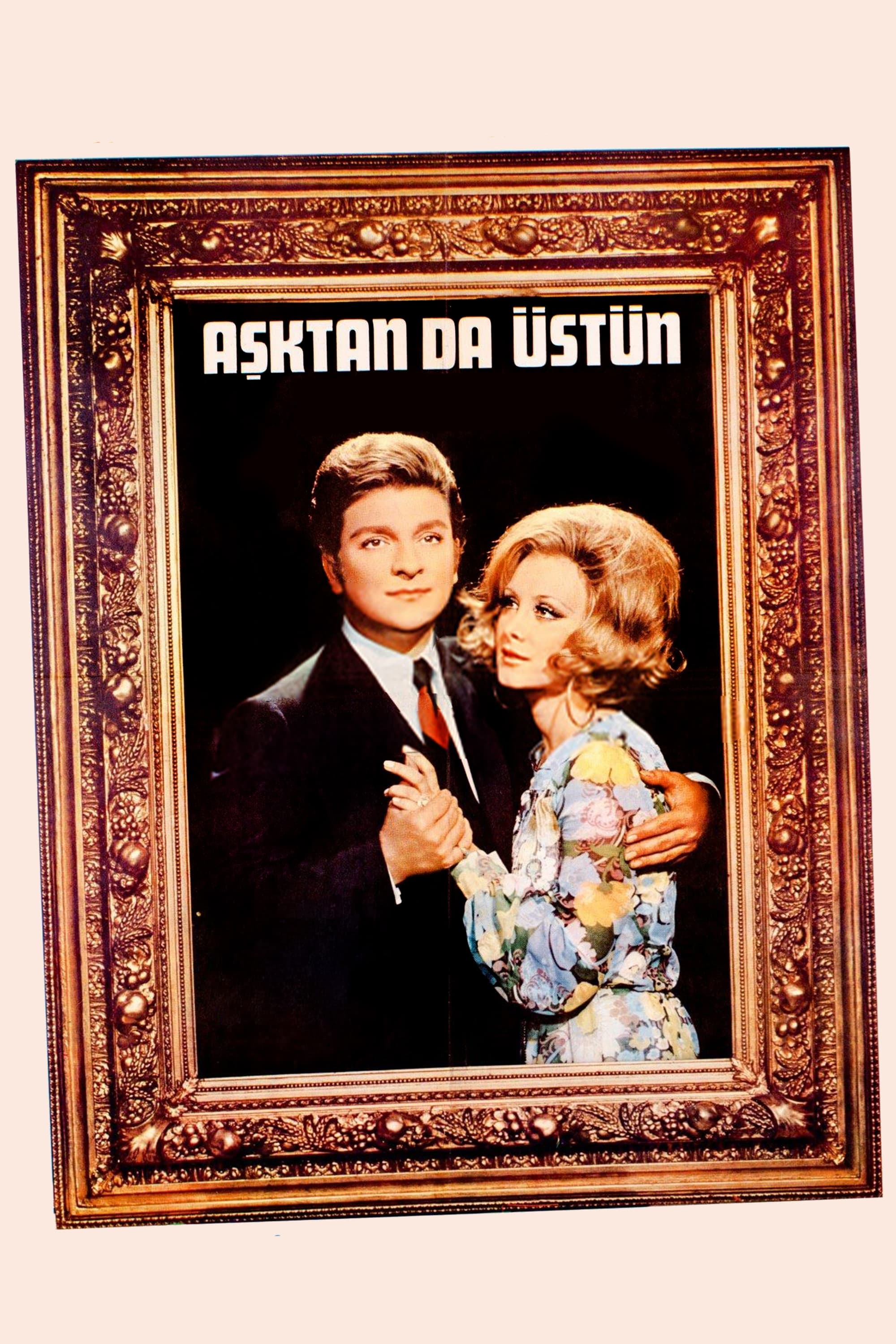
Aşktan da Üstün
The film tells the story of a woman who is rejected by her family and a man who takes her in. Zeki is a famous singer. He meets Oya at a party and is impressed by her. However, Oya is preparing to marry her boyfriend Turgut. Oya is kicked out of her house because of her stepmother, who has ruined her relationship with her father. Additionally, she witnesses Turgut cheating on her with her stepmother. Shocked by what she sees, Oya runs into the street and is hit by a car. As a result of the accident, Oya loses her memory. Zeki will take care of Oya, who has lost her family along with her memories, and her unborn child.
Insights
Plot Summary
A young woman named Ayşe, living a simple life in a village, falls in love with Murat, a wealthy city dweller. Their love faces challenges from societal differences and the interference of others. Ayşe must confront her desires and the realities of her situation as she navigates this complex relationship.
Critical Reception
Aşktan da Üstün was a significant film in Turkish cinema, lauded for its sensitive portrayal of love and social class differences. Hülya Koçyiğit's performance was particularly praised for its emotional depth. The film resonated with audiences for its relatable themes and romantic narrative, becoming a memorable entry in the Yeşilçam era.
What Reviewers Say
Praised for its poignant exploration of love across social divides.
Hülya Koçyiğit delivers a standout performance, capturing the protagonist's vulnerability.
A classic example of Yeşilçam romance, touching on timeless themes of sacrifice and societal expectations.
Google audience: Audience reception is largely positive, with many viewers appreciating the film's romantic storyline and the emotional performances of the lead actors. The depiction of struggles faced by characters from different backgrounds often elicits strong emotional responses.
Fun Fact
This film marked a significant role for director Bilge Olgaç, who was one of the few female directors active in Turkish cinema during the 1970s.
AI-generated overview · Verify ratings on official sources