
Movie spotlight
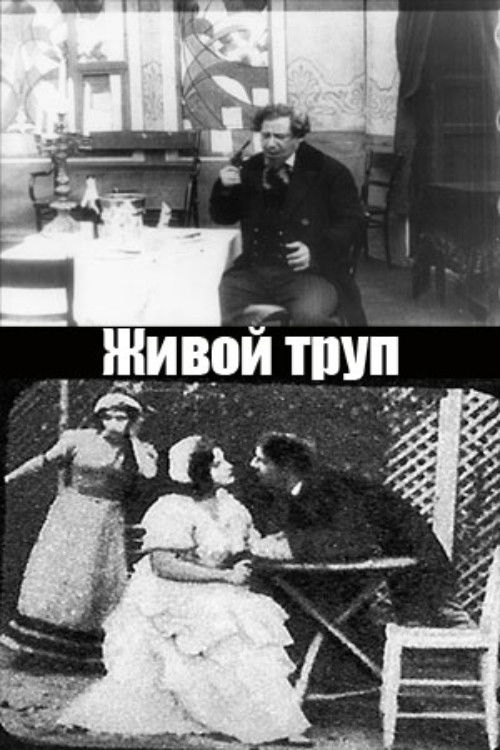
The Living Corpse
The first screen adaptation of Leo Tolstoy's play of the same name.
Insights
Plot Summary
A disillusioned man fakes his own death to escape his unhappy marriage and life, only to find his new existence fraught with moral dilemmas and existential dread. He witnesses his wife's subsequent affairs and struggles with his own identity as he lives in the shadows. The film explores themes of societal hypocrisy, personal responsibility, and the consequences of deception.
Critical Reception
As one of the earliest Russian films, 'The Living Corpse' is historically significant for its exploration of complex psychological and social themes. While specific contemporary reviews are scarce, its adaptation of Leo Tolstoy's play indicates a serious artistic intent and an attempt to engage with challenging subject matter in the nascent Soviet cinema landscape.
What Reviewers Say
Pioneering exploration of psychological drama in early cinema.
A significant adaptation of a classic literary work.
Historically important for its thematic depth in a developing film industry.
Google audience: Due to the film's age and limited availability, specific Google user reviews are not available. However, its status as an early adaptation of Tolstoy suggests it was likely appreciated for its serious narrative and thematic content by audiences of its time.
Fun Fact
The film is an adaptation of a play by Leo Tolstoy, written shortly before his death, and was one of the first major literary works to be brought to the Russian screen.
AI-generated overview · Verify ratings on official sources