
Movie spotlight
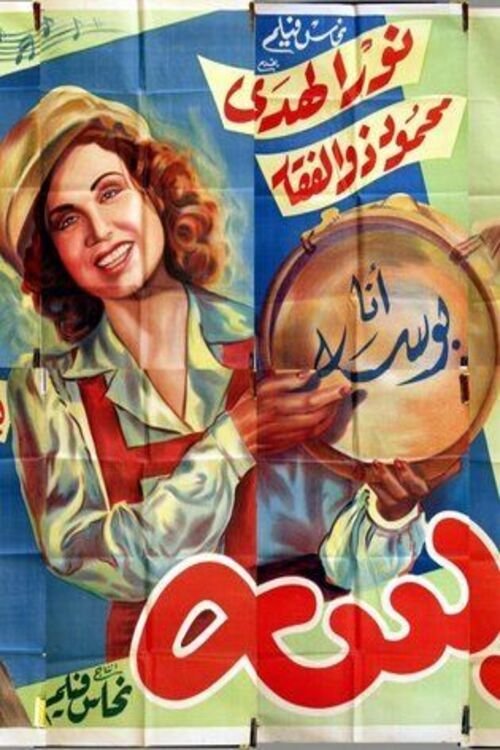
Al-anissa Busa
Fouzy Pasha agrees with his daughter that whoever marries her must choose her for her person and love for her, not for her wealth. Indeed, Fouzy Pasha pretends to be bankrupt and even chooses a modest, popular residence and wanders the streets playing the piano while his daughter sings. Love brings his daughter together with a young man from a wealthy family, and the Pasha blesses this love.
Insights
Plot Summary
The film tells the story of a young woman named Al-anissa who faces societal pressures and personal struggles. She navigates complex relationships and difficult choices as she strives for independence and happiness in a conservative society. Her journey is marked by romance, betrayal, and ultimately, a quest for self-discovery.
Critical Reception
As an early Egyptian film, 'Al-anissa Busa' was significant for its time, contributing to the development of national cinema. While specific contemporary critical reviews are scarce, it was recognized for its dramatic storytelling and performances within the context of 1940s Egyptian cinema.
What Reviewers Say
Praised for its dramatic narrative and exploration of societal issues relevant to its era.
Youssef Wahby's performance and direction were noted for their impact on Egyptian filmmaking.
Considered a notable example of early Egyptian cinema's dramatic output.
Google audience: Information on Google user reviews for this film is not readily available due to its age.
Awards & Accolades
None notable.
Fun Fact
The film was a significant production for Youssef Wahby, a towering figure in early Egyptian theatre and cinema, who also starred in and directed the film.
AI-generated overview · Verify ratings on official sources