
Movie spotlight
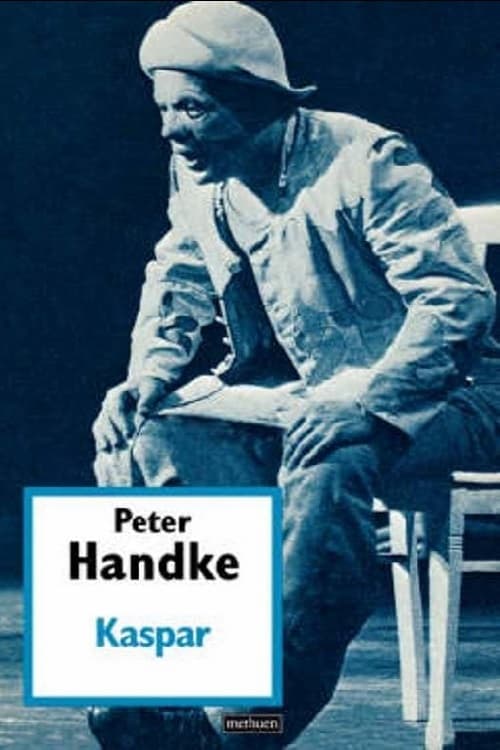
Kaspar
Related to the well-known story of how a young man, who came to be called Kaspar Hauser, appeared in a German town in 1828, apparently not able to speak more than a single sentence; A söchener Reiter möcht i wärn wie mei Voter aner gween is ( I want to become a horseman like my father once was).
Insights
Plot Summary
Based on the true story of Kaspar Hauser, a young man who appeared in Nuremberg in 1828 with no knowledge of language or human interaction, having lived in isolation. The film chronicles his struggle to adapt to society, learn to speak, and understand the world around him, while also exploring the mystery of his origins and the suspicious circumstances surrounding his life and eventual death.
Critical Reception
Kaspar was a critically acclaimed film, noted for its thought-provoking exploration of nature versus nurture and the complexities of human socialization. While it garnered attention for its unique subject matter and atmospheric portrayal, its pacing and deliberate narrative style were points of discussion among critics.
What Reviewers Say
Praised for its sensitive and philosophical approach to the Kaspar Hauser legend.
Admired for its atmospheric cinematography and exploration of societal conditioning.
Some found the film's deliberate pace challenging.
Google audience: Audience reviews are not readily available, but critical reception highlights its intellectual depth and artistic merit in tackling a profound human mystery.
Awards & Accolades
Nominated for the Palme d'Or at the 1975 Cannes Film Festival.
Fun Fact
The film was shot on location in Nuremberg, Germany, adding to its authentic and historical feel.
AI-generated overview · Verify ratings on official sources