Movie spotlight
Alcina
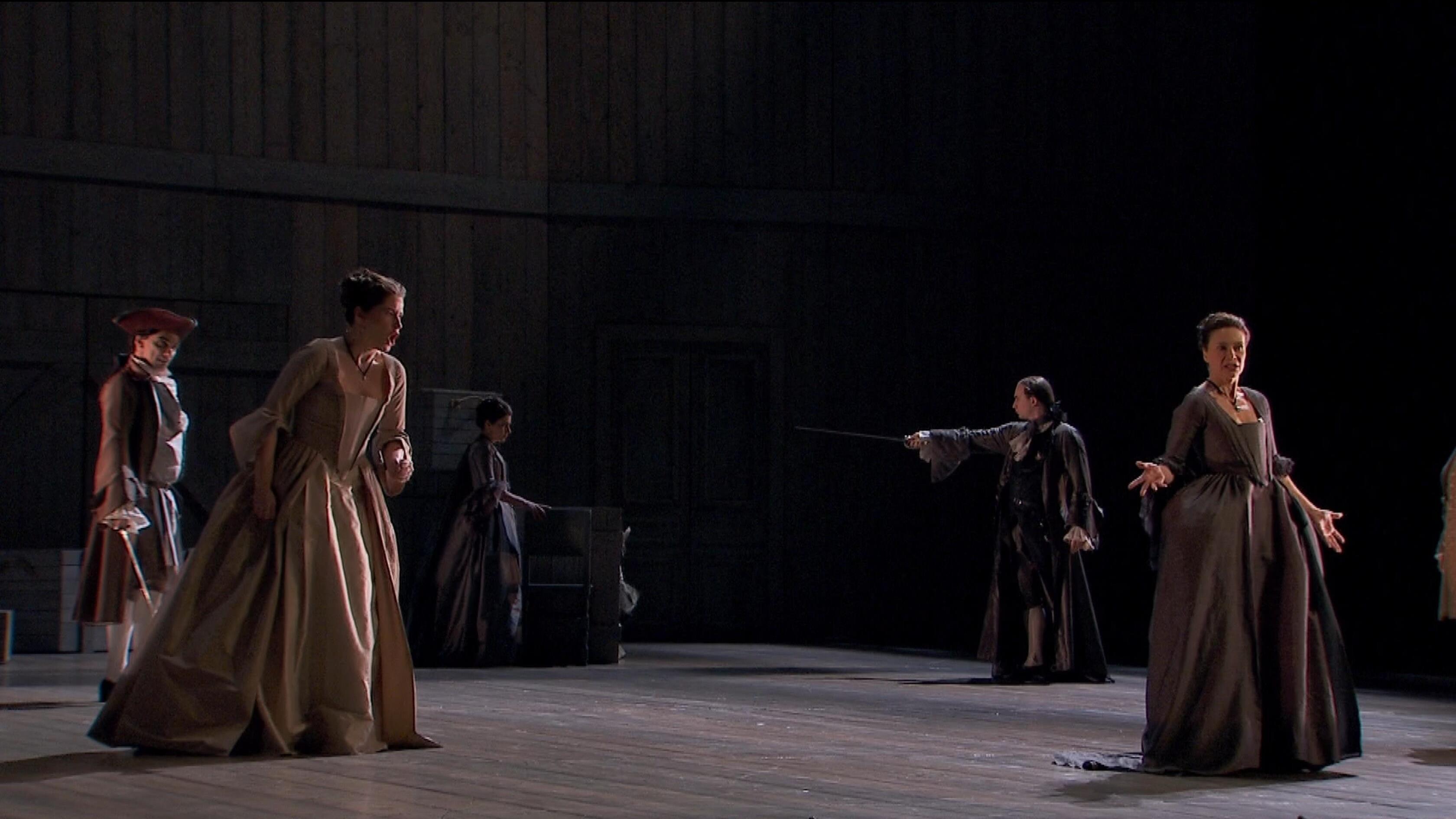
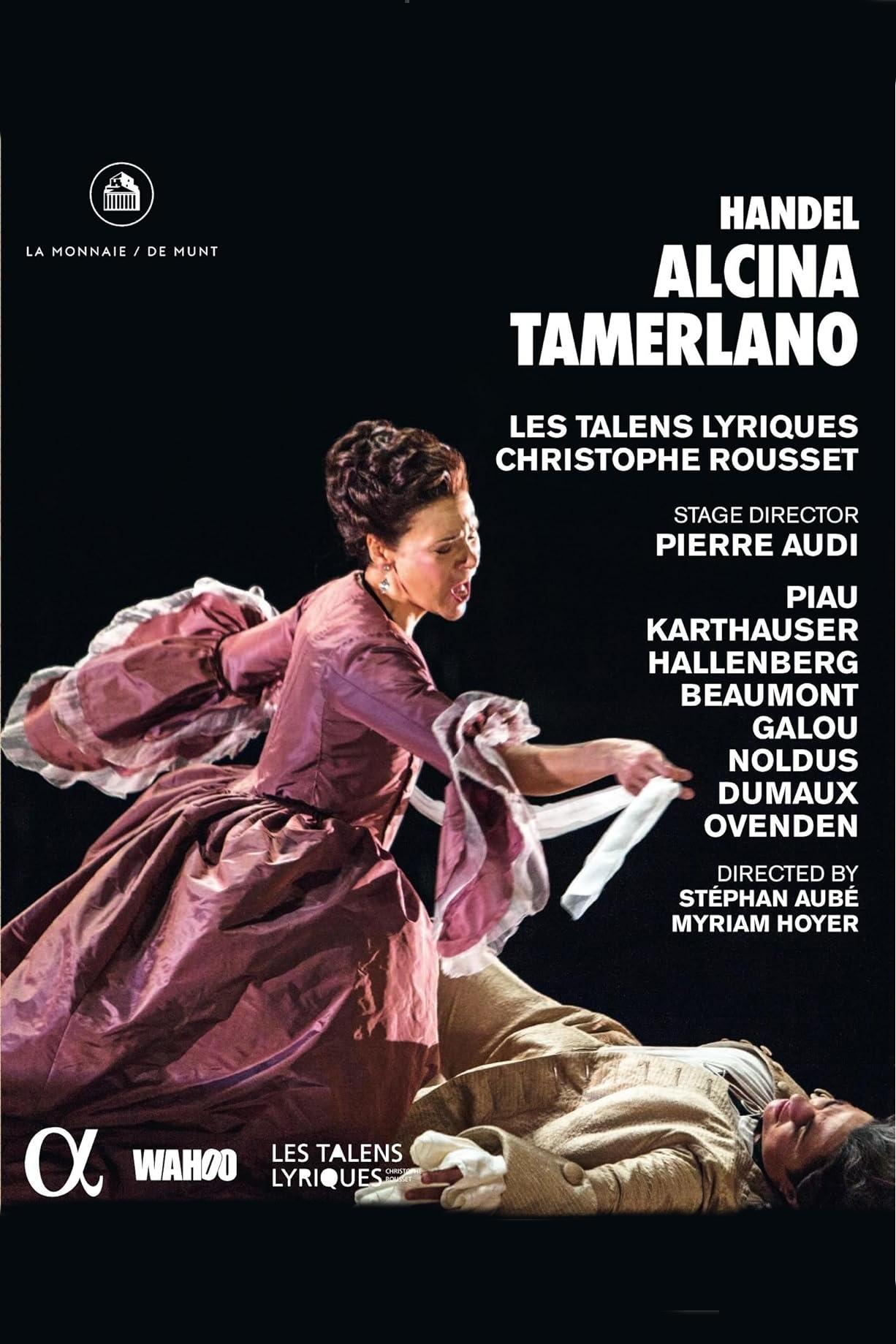
Like Handel’s Orlando (1732) and Ariodante (1734), Alcina derives from the narrative material in Ariosto’s Orlando furioso. The story of the sorceress Alcina, an initially hedonistic, manipulative woman who later finds herself a victim of love, fits into the genre of the ‘magical opera’ with numerous magical elements, but Handel achieved considerable emotional authenticity in his characterisations. This makes Alcina one of the most deeply felt and multifaceted operas. ‘You may despise what you like ; but you cannot contradict Handel,’ said the Irish playwright George Bernard Shaw. As in Tamerlano, Pierre Audi based this production on the stage at the baroque theatre at Drottningholm, for which he originally developed the directing concept. His set is thus based on the principles of perspective, with wings in the form of painted panels. The result is marvellous modern musical theatre in a historizing frame.
Insights
Plot Summary
Alcina, a powerful sorceress, enchants an island to lure warriors, including the knight Ruggiero, to her domain where she transforms them into beasts or plants. Ruggiero's betrothed, Bradamante, disguised as her own brother Ricciardo, arrives to rescue him. With the help of Ruggiero's friend Oronte and Bradamante's brother Ruggiero, they navigate Alcina's illusions and magical traps, seeking to break her spell and reunite.
Critical Reception
As one of Handel's most celebrated operas, Alcina is lauded for its dazzling vocal writing, dramatic intensity, and masterful orchestration. It is consistently praised for its effective portrayal of love, betrayal, and redemption, remaining a staple of the Baroque opera repertoire and frequently revived by opera companies worldwide.
What Reviewers Say
Praised for its sublime vocal arias and dramatic coherence.
Recognized as a masterpiece of Handel's mature operatic style.
Appreciated for its intricate musical structure and emotional depth.
Google audience: As a historical opera, direct audience reviews are not applicable in the modern sense. However, scholarly and critical consensus highlights its enduring appeal and musical brilliance.
Awards & Accolades
None notable (as it is an 18th-century opera, formal awards did not exist in the same way)
Fun Fact
The role of Ruggiero was originally written for a castrato singer, a common practice for heroic male roles in Baroque opera.
AI-generated overview · Verify ratings on official sources