
Movie spotlight
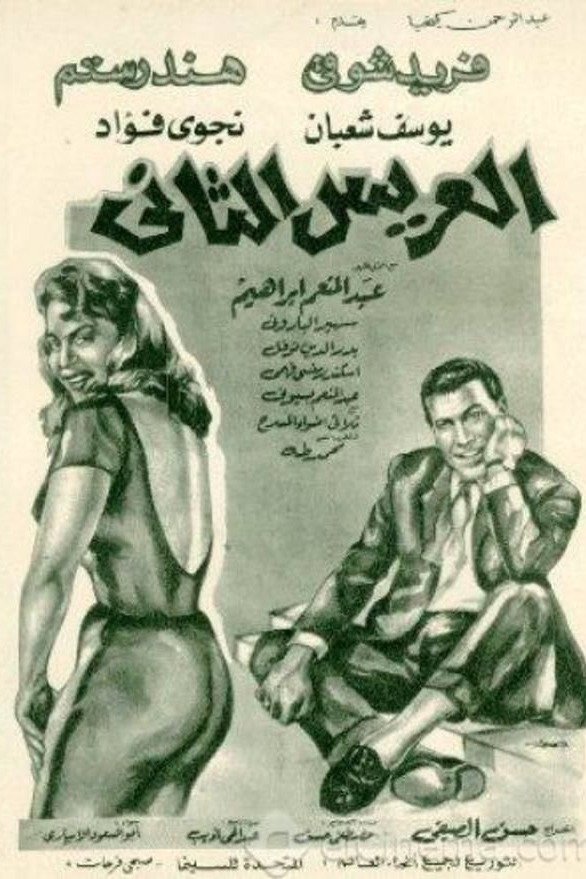
The second groom
Wafaa's husband dies, so she decides to manage the companies he left behind herself, which angers her Upper Egyptian uncle who objects to women working. Wafaa thinks about getting married again to be under the protection of a man who will protect her from her uncle's interference. She chooses the worker Magdy who loves her, but she always rejects him under the pretext of being loyal to her husband. She discovers among her late husband's papers papers proving that he was married.
Insights
Plot Summary
The film tells the story of a young woman who marries a wealthy older man for his money, but finds herself entangled in a web of deceit and unfulfilled desires. As she navigates her new life, she encounters a charming artist who offers her a glimpse of true love and happiness. Her choices lead to dramatic consequences, exploring themes of greed, passion, and the complexities of human relationships.
Critical Reception
The Second Face was a moderate success in its time, appreciated for its dramatic storyline and performances, though it received mixed reviews from critics. It is remembered as a typical melodrama of its era, addressing societal expectations and personal aspirations.
What Reviewers Say
Praised for its melodramatic plot and emotional resonance.
Noted for the performances of its lead actors, particularly Nabila Ebeid.
Some critics found the storyline predictable and typical of Egyptian cinema of the 1960s.
Google audience: Audience reviews for this film are scarce due to its age and region of origin. However, films of this genre from the 1960s often resonated with audiences for their exploration of romantic entanglements and social commentary.
Fun Fact
The film was part of a wave of Egyptian melodramas in the 1960s that often explored themes of social class, romance, and morality.
AI-generated overview · Verify ratings on official sources