
Movie spotlight
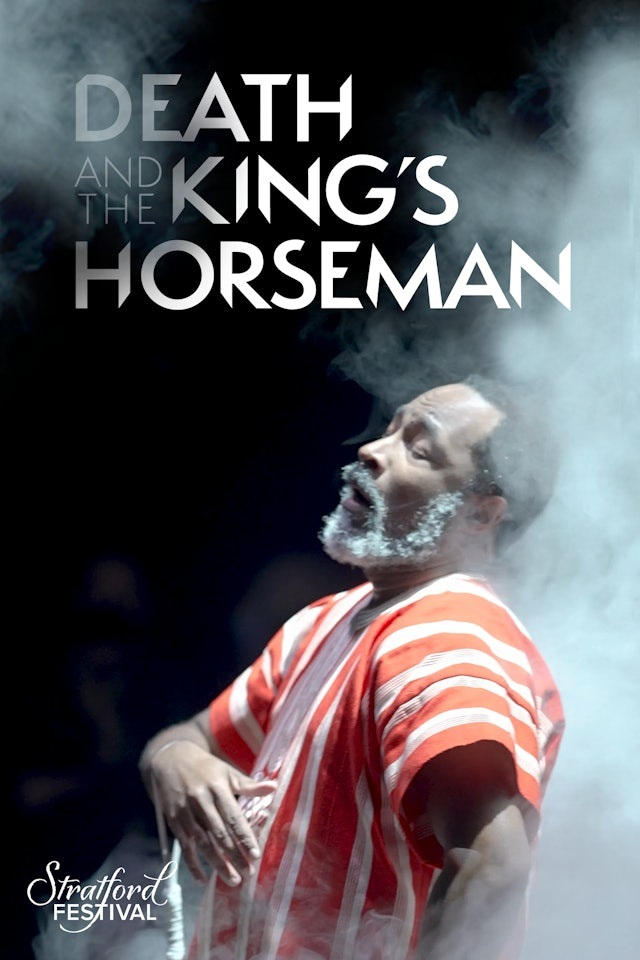
Death and the King's Horseman
In British-occupied Nigeria, a Yoruba king, the Alafin, has died, and it is the duty of his horseman, Elesin, to accompany him into the afterlife. While lustily enjoying the pleasures of this world, Elesin proudly anticipates his transition to the next – but the sacred ritual is interrupted, resulting in unforeseen tragedy. Inspired by a real-life incident, this masterpiece from Nobel Prize winner Soyinka celebrates a community striving to uphold its culture in the face of colonial power.
Insights
Plot Summary
In 1940s Nigeria, a Yoruba king's chief horseman, Elesin Oba, faces a profound crisis when tradition dictates he must follow his king into the afterlife. However, his impending ritual suicide is complicated by his desire to consummate a new marriage and the interference of British colonial officers, leading to a clash between ancestral customs and imposed foreign laws. The film explores themes of duty, desire, cultural conflict, and the tragic consequences of misunderstanding.
Critical Reception
The film has been praised for its visual splendor, faithful adaptation of Wole Soyinka's play, and powerful performances. It was recognized for its cultural significance and its examination of Yoruba traditions. However, some discussions pointed out the challenges in translating the play's complex themes and poetic language to the screen effectively for a wider audience.
What Reviewers Say
Visually stunning with elaborate costumes and set designs.
Faithful adaptation of a seminal play, capturing its tragic essence.
Strong performances, particularly from the lead actor, convey the emotional weight of the protagonist's dilemma.
Google audience: Audience reactions highlighted the film's cultural richness and impressive production values. Many viewers appreciated its depiction of Yoruba traditions and the compelling performances, finding it to be a moving and thought-provoking cinematic experience.
Fun Fact
The film is an adaptation of the 1975 Nobel Prize-winning play of the same name by Nigerian playwright Wole Soyinka.
AI-generated overview · Verify ratings on official sources