Movie spotlight
Return to Reason
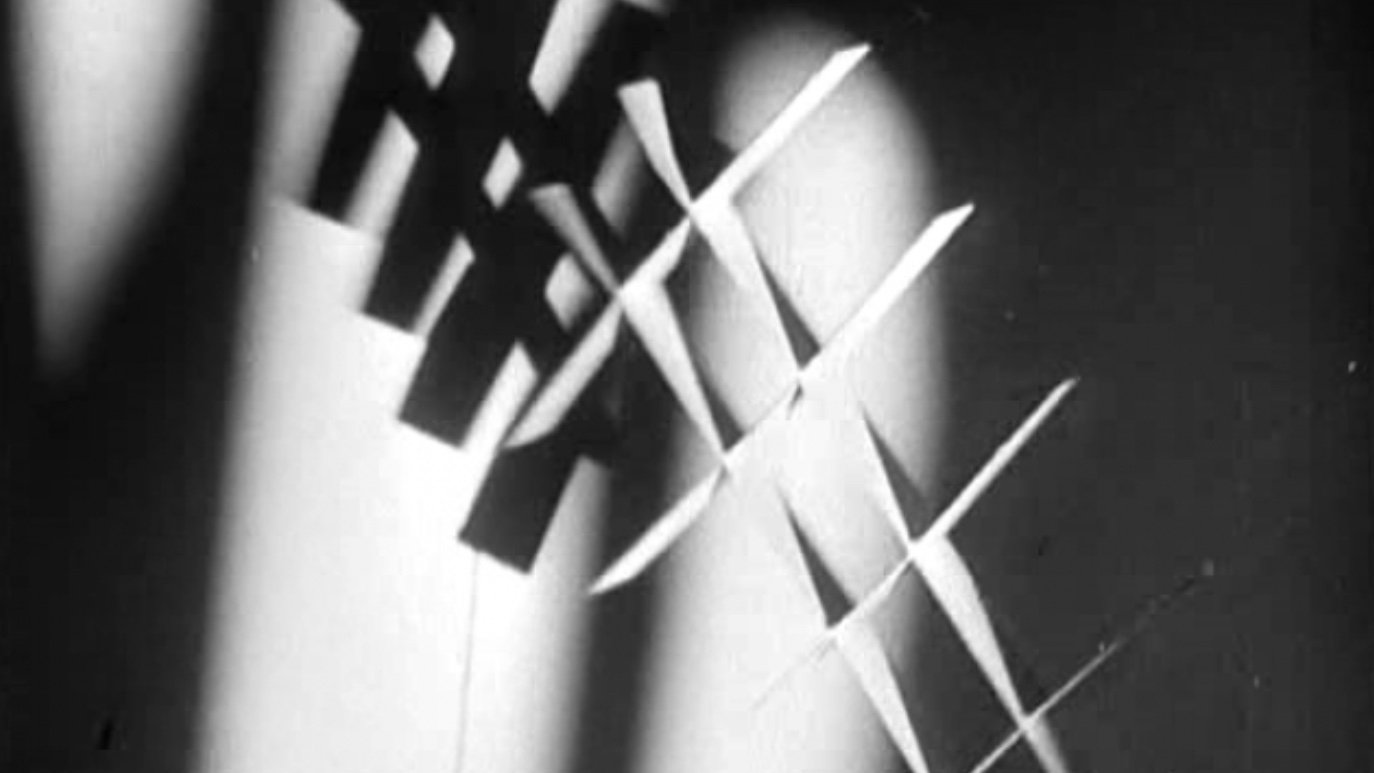
Experimental film, white specks and shapes gyrating over a black background, the light-striped torso of Kiki of Montparnasse (Alice Prin), a gyrating eggcrate. One of the first Dadaist films.
Insights
Plot Summary
An experimental short film that explores visual and auditory connections through abstract imagery and unconventional filmmaking techniques. It features a series of surreal and thought-provoking sequences, challenging traditional narrative structures. The film is a collaboration with several avant-garde artists of the era.
Critical Reception
As an early experimental film, 'Return to Reason' was not widely reviewed in the conventional sense upon its release. Its significance lies in its pioneering approach to visual art and cinema, influencing subsequent generations of avant-garde filmmakers. It is celebrated today as a landmark of Dadaist and Surrealist cinema.
What Reviewers Say
Praised for its bold visual experimentation and groundbreaking approach to film.
Seen as a key example of Dadaist art challenging cinematic norms.
Its abstract nature is considered both its strength and a potential barrier for some viewers.
Google audience: Audience reception is difficult to gauge due to the film's age and experimental nature. It is primarily appreciated by cinephiles and art historians for its historical importance and artistic innovation.
Awards & Accolades
None notable.
Fun Fact
Man Ray created 'Return to Reason' without a traditional script, using an experimental technique involving double exposure and manipulating film directly to achieve its unique visual effects.
AI-generated overview · Verify ratings on official sources