

Movie spotlight
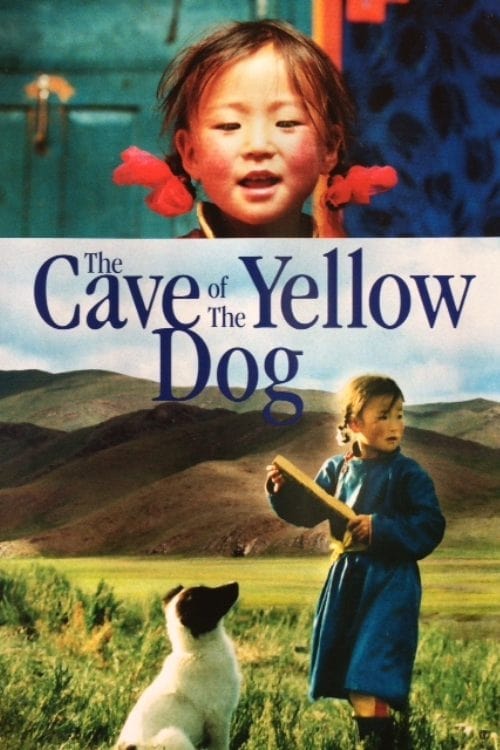
The Cave of the Yellow Dog
The little nomad girl, Nansal, finds a baby dog in the Mongolian veld, who becomes her best friend - against all rejections of her parents. A story about a Mongolian family of nomads - their traditional way of life and the rising call of the City.
Insights
Plot Summary
In the Mongolian countryside, a young girl named Nansal finds a stray dog and brings it home, much to the dismay of her father who fears the dog might be a "yellow dog" – a breed believed to bring bad luck. Despite her father's reservations, Nansal grows to love the dog, whom she names Zochin, and tries to protect it from the dangers of their nomadic life. The film beautifully captures the simple yet profound relationship between a child and her animal companion against the stunning backdrop of the steppes.
Critical Reception
The Cave of the Yellow Dog was met with widespread critical acclaim, particularly for its authentic portrayal of nomadic Mongolian life and its heartwarming story. Critics lauded its naturalistic performances, particularly from the child actors, and its evocative cinematography. The film resonated with audiences for its gentle pace and universal themes of family, love, and responsibility.
What Reviewers Say
Praised for its charming and authentic depiction of Mongolian nomadic culture.
Commended for the naturalistic performances of its young cast and the heartwarming story.
Appreciated for its beautiful cinematography and gentle exploration of childhood and animal companionship.
Google audience: Google users overwhelmingly loved the film, frequently highlighting its charming and heartwarming story, the authentic portrayal of Mongolian life, and the delightful performances of the child actors. Many found it a moving and beautiful cinematic experience.
Awards & Accolades
Nominated for Best Documentary Feature at the 2006 Independent Spirit Awards.
Fun Fact
The film is a sequel to Byambasuren Davaa's 2002 film "The Story of the Weeping Camel," and shares a similar observational, documentary-like style even though it is considered a narrative film.
AI-generated overview · Verify ratings on official sources