
tmdb47633491
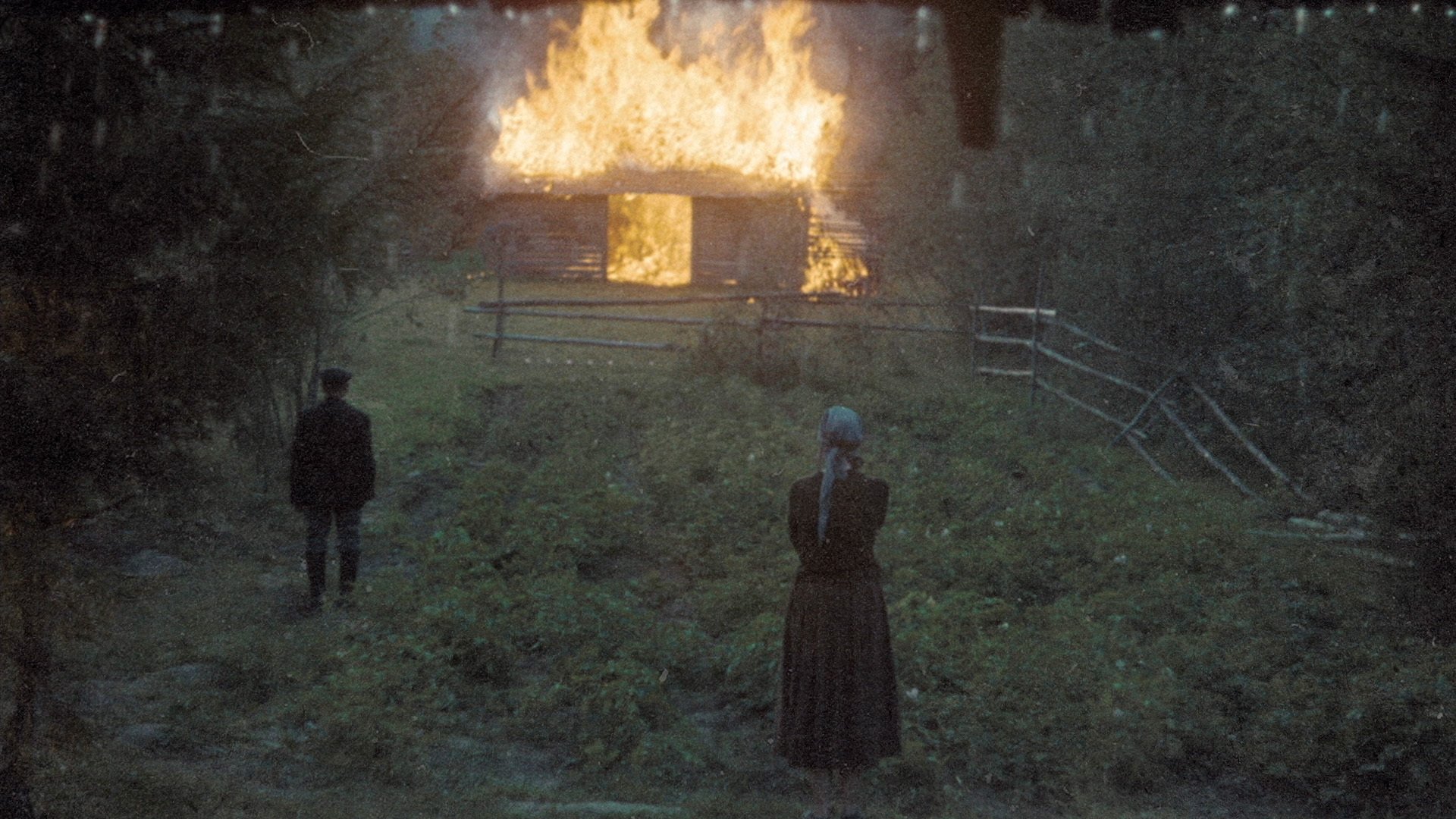
Watching this again at age 24 with strep throat while the sun came up this morning, when I got to the part where the dog walks out the door and the woman starts picking up peaches or potatoes or whatever, I was literally reborn, etc.
Movie spotlight
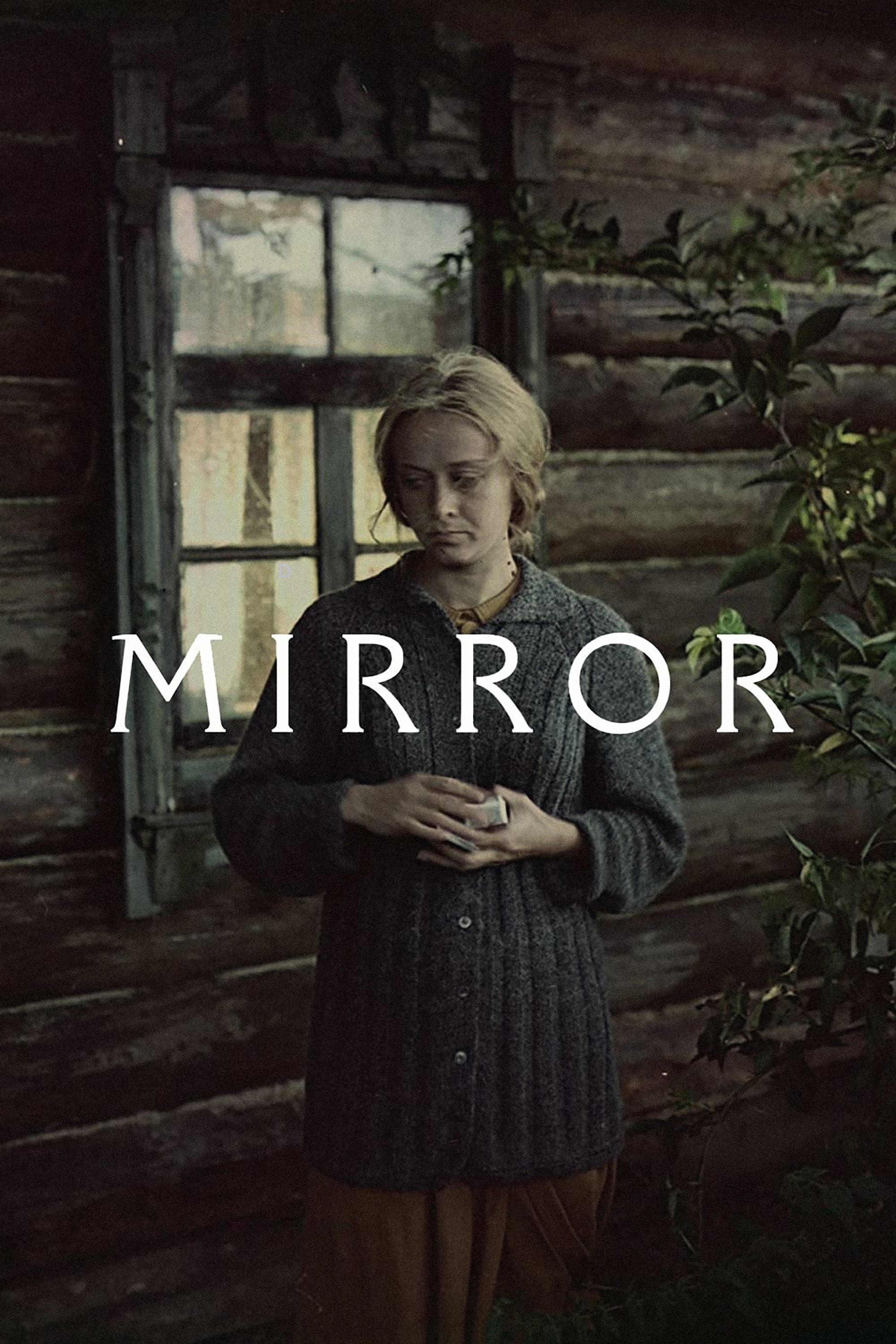
A dying man in his forties recalls his childhood, his mother, the war and personal moments that tell of and juxtapose pivotal moments in Soviet history with daily life.
Mirror is a deeply personal and non-linear film that explores the memories and subconscious of a dying poet. Through fragmented recollections of his childhood, his mother's life, and significant historical events, the film blurs the lines between reality, dream, and historical footage. It is a poetic and introspective journey into memory, identity, and the passage of time.
Andrei Tarkovsky's Mirror is widely considered a masterpiece of world cinema, though its poetic and unconventional structure makes it a challenging watch for some. Critics have lauded its profound emotional depth, stunning cinematography, and unique narrative approach. It is often cited as one of the greatest films ever made for its artistic merit and its deeply personal exploration of memory and the human condition.
Praised for its dreamlike atmosphere and lyrical beauty.
Lauded for its profound emotional resonance and introspective themes.
Noted for its challenging yet rewarding non-linear narrative structure.
Google audience: Google users frequently highlight the film's poetic and visually stunning nature, often describing it as a deeply moving and thought-provoking experience. Many appreciate its artistic ambition and Tarkovsky's unique directorial vision, though some find its abstract narrative difficult to follow.
The film famously interweaves archival footage of the Spanish Civil War and World War II with the personal memories of the protagonist, creating a powerful juxtaposition of historical events and individual experience.
AI-generated overview · Verify ratings on official sources
Watching this again at age 24 with strep throat while the sun came up this morning, when I got to the part where the dog walks out the door and the woman starts picking up peaches or potatoes or whatever, I was literally reborn, etc.