
Movie spotlight
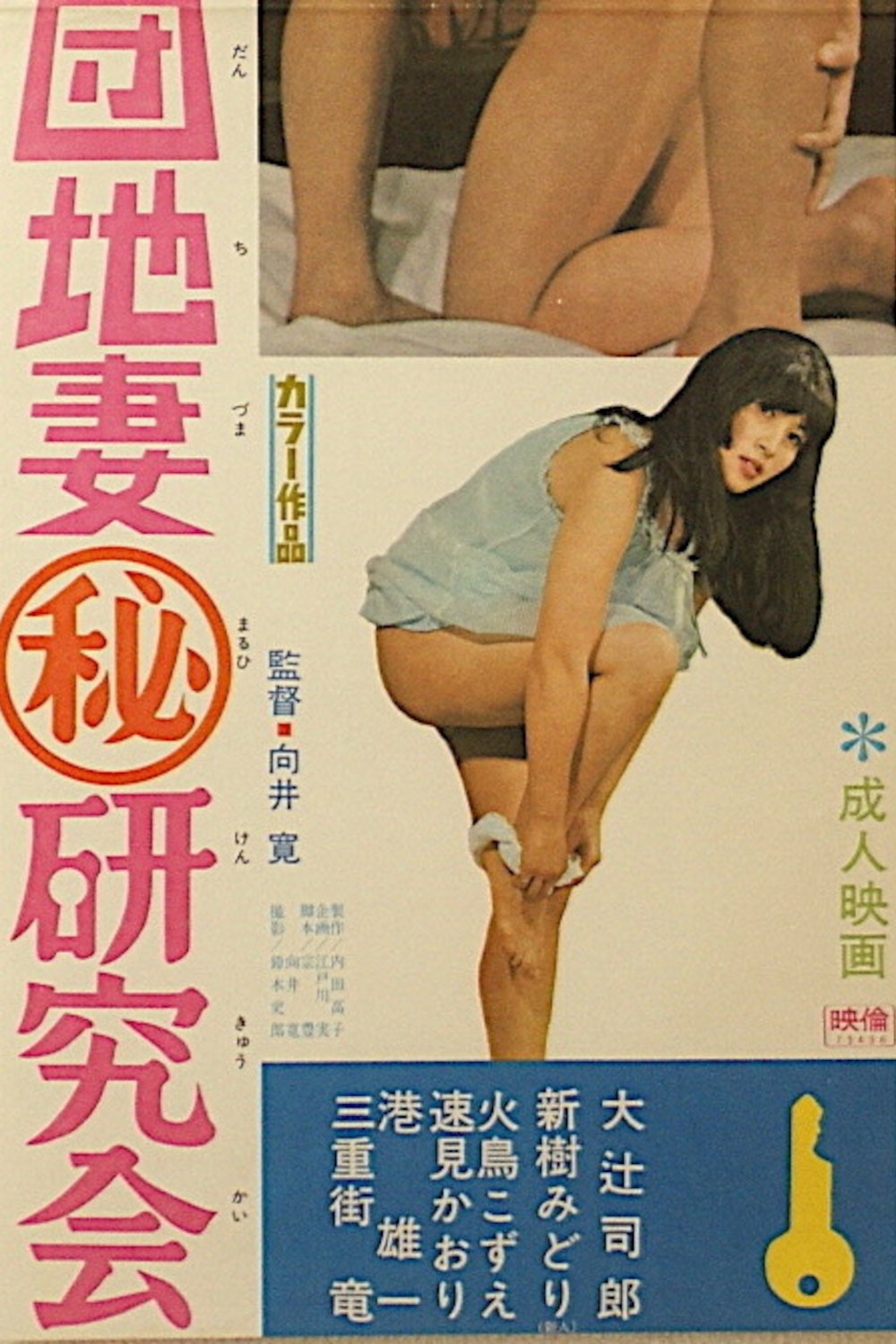
Apartment Wife: Secret Research Society
During their honeymoon, Koichi and Junko were attacked in a train toilet. From that day on, their sex life with Koichi did not go well, and even after they returned from the trip, Junko continued to live an empty life. Junko, who lives in a noisy housing complex, is concerned about what others think, but she tries her best to get her life back together with her husband. However, Koichi, whether he knows what happened on the trip or not, looks at Junko with cold eyes for some reason. Just as Junko is getting tired of this life, Masako, who lives next door, asks her to come over. Junko is quiet and doesn't get along with Masako, but she shows up to play. There, the housewives from the neighborhood have gathered and started chatting. The conversation escalates, and in the end, she even puts on a blue film and masturbates. Junko faints as she remembers what happened on the train...
Insights
Plot Summary
A group of women in an apartment complex become involved in clandestine erotic research. As they delve deeper into their secret society, they explore their desires and challenge societal norms. The film examines themes of female sexuality, liberation, and the consequences of uncovering hidden truths. Their experiments lead to increasingly daring and complex relationships.
Critical Reception
Apartment Wife: Secret Research Society is a notable entry in Japanese erotic cinema of the 1970s, often referred to as 'pink film'. While not widely reviewed by mainstream Western critics, it is recognized by genre enthusiasts for its exploration of taboo subjects and its artistic direction within its niche. It is considered by some to be a more cerebral and artistic take on the genre than many of its contemporaries.
What Reviewers Say
Explores female sexuality with a unique, albeit niche, artistic approach.
A significant, if often overlooked, example of 1970s Japanese pink film.
Praised for its daring subject matter and directorial vision within its genre.
Google audience: Information on Google reviews for this specific film is not readily available. However, based on its genre and historical context, audience reception likely varied, with some appreciating its bold exploration of themes and others finding it too explicit or unconventional.
Fun Fact
The film belongs to the 'pink film' genre, which became popular in Japan during the 1960s and 1970s, characterized by explicit sexual content often combined with social commentary or dramatic storylines.
AI-generated overview · Verify ratings on official sources