
Party Monster
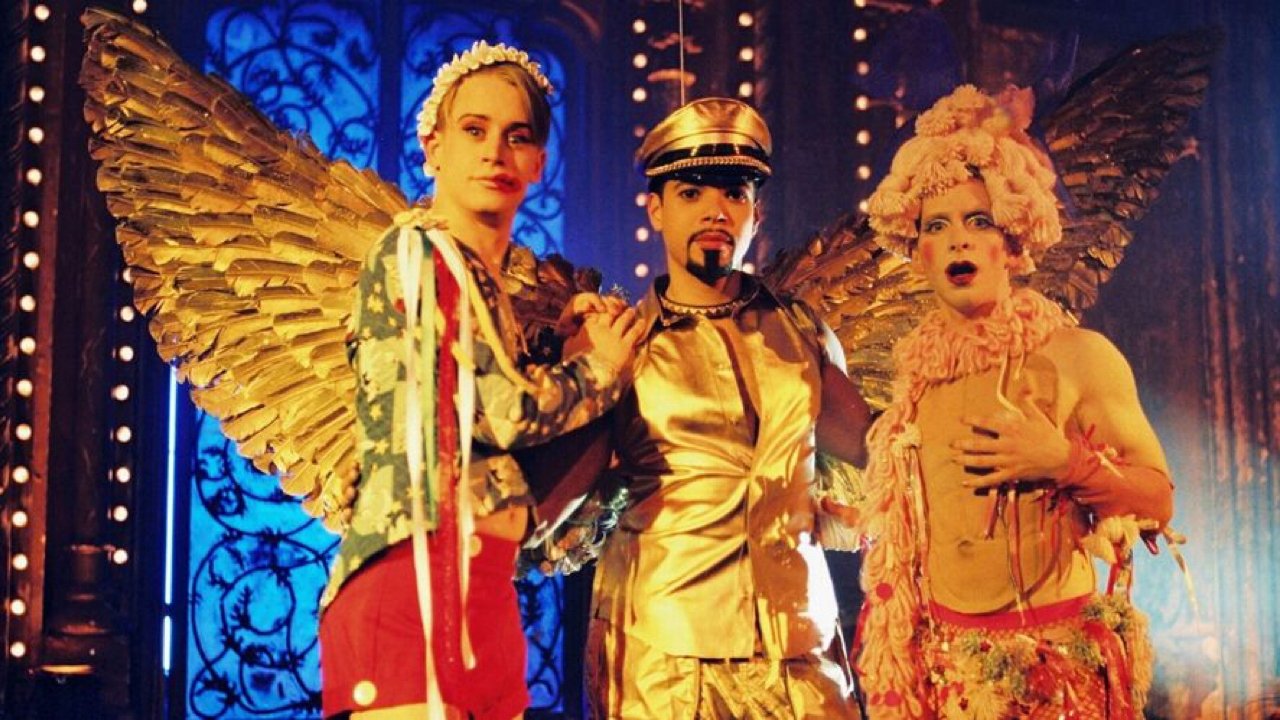
The New York club scene of the 80s and 90s was a world like no other. Into this candy-colored, mirror ball playground stepped Michael Alig, a wannabe from nowhere special. Under the watchful eye of veteran club kid James St. James, Alig quickly rose to the top... and there was no place to go but down.
Insights
Plot Summary
The film chronicles the rise and fall of Michael Alig, a charismatic club kid who became a ringleader of New York City's nightlife scene in the late 1980s and early 1990s. As Alig's fame and drug use escalate, his life descends into a spiral of excess, culminating in a shocking crime. It's a cautionary tale about the destructive nature of fame, addiction, and the pursuit of a dangerous lifestyle.
Critical Reception
Party Monster received mixed to positive reviews from critics. Many praised Macaulay Culkin's surprisingly effective and disturbing performance as Michael Alig, as well as the film's vibrant depiction of the club kid scene. However, some critics found the narrative uneven and the portrayal of the events sensationalized.
What Reviewers Say
- Macaulay Culkin delivers a standout performance, shedding his former child star image with a chilling portrayal.
- The film effectively captures the hedonistic and often dangerous atmosphere of NYC's 1990s club scene.
- Despite its compelling subject matter and strong lead, the movie struggles with narrative focus and can feel exploitative at times.
Google audience: Audiences generally found the film to be a wild and often disturbing look into a unique subculture. Macaulay Culkin's performance was frequently highlighted as a major strength, with many appreciating the departure from his previous roles. Some viewers found the story engrossing, while others felt it was too graphic or lacked depth.
Fun Fact
The film is based on the true story of Michael Alig and the club kid scene, drawing from James St. James' memoir 'Party Monster: A Fabulous Journey into the Abyss of Fabulousness'.
AI-generated overview · Verify ratings on official sources