
Movie spotlight
Pulcinella by Igor Stravinsky
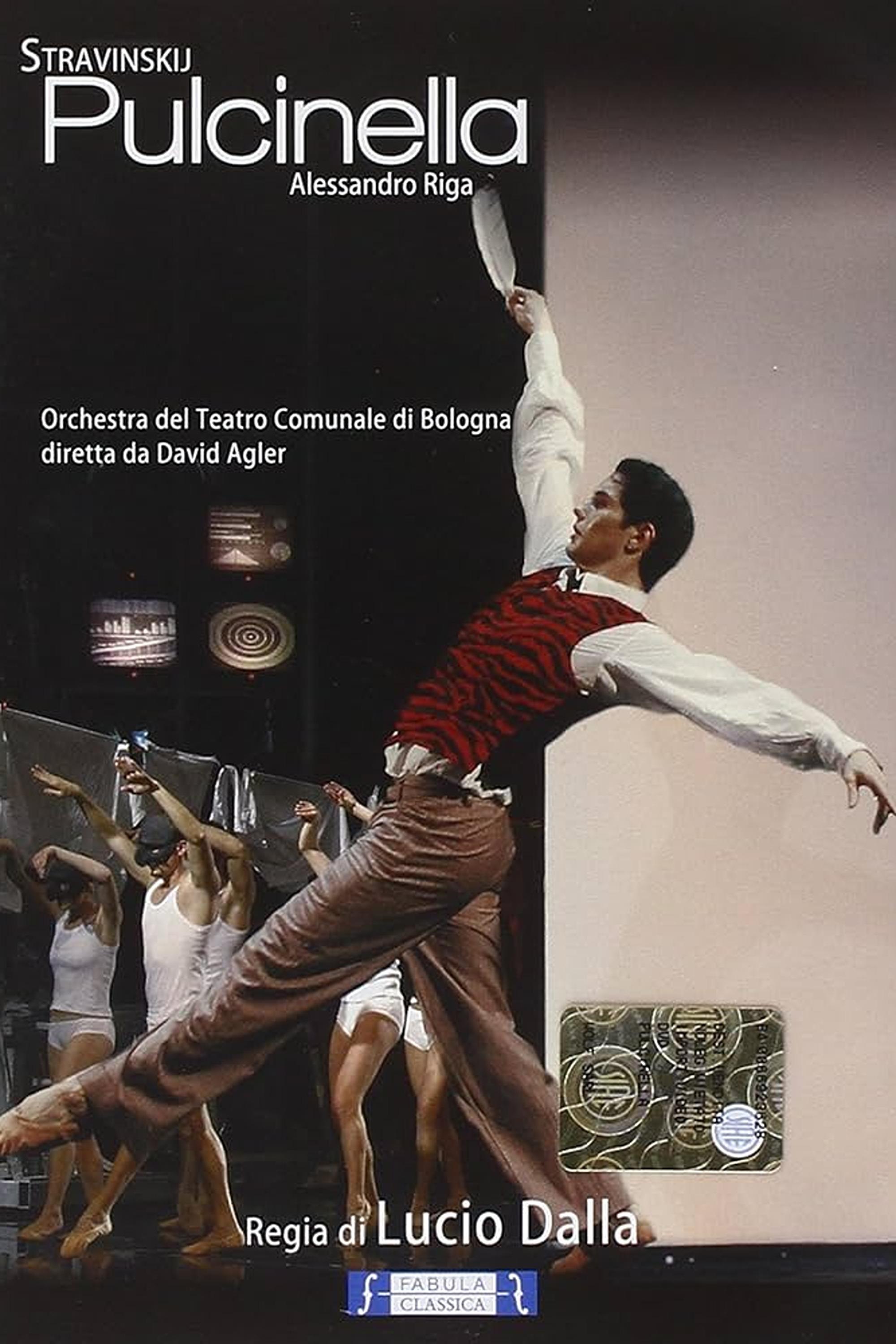
Pulcinella finds himself in New York and not Naples: from stockbroker to semi-naked banker in the midst of Wall Street. Actualization of Igor Stravinsky's ballet composed as a tribute to Italian music.
Insights
Plot Summary
Pulcinella is a ballet and chamber opera in one act, with music by Igor Stravinsky. The work was commissioned by Sergei Diaghilev and premiered on May 15, 1920, at the Théâtre de la Ville in Paris, performed by the Ballets Russes. The libretto and the dramatic arrangement are based on a scenario by Stravinsky himself, drawing inspiration from the traditional commedia dell'arte character Pulcinella. The story follows Pulcinella, a mischievous and resourceful character, as he attempts to win the love of Pucinella, who is already engaged to the handsome but simple Pierrot. Through a series of comical deceptions and disguises, Pulcinella orchestrates his own 'death' and resurrection, ultimately leading to a happy resolution where he succeeds in wooing Pucinella and uniting the lovers.
Critical Reception
Stravinsky's 'Pulcinella' is widely regarded as a pivotal work in his neoclassical period. Its premiere in 1920 marked a significant departure from his earlier, more primitive style, embracing a playful and ironic engagement with musical traditions of the past, particularly the music of Giovanni Pergolesi. Critics at the time, while perhaps surprised by the stylistic shift, largely recognized the work's wit, charm, and masterful orchestration. It has since become a staple of the ballet and opera repertoire, celebrated for its inventive use of older musical material and its enduring theatricality.
What Reviewers Say
Praised for its wit and masterful neoclassical style.
Celebrated for its innovative use of Baroque-era musical material.
Admired for its charming and theatrical presentation.
Google audience: As 'Pulcinella' is a classical ballet and opera, direct user reviews are not typically aggregated in the same way as mainstream films. Audience reception is generally focused on the quality of performances and interpretations by various opera houses and ballet companies worldwide.
Awards & Accolades
None notable (as a specific 2007 production, the work itself is a landmark of 20th-century music)
Fun Fact
Although the music is attributed to Stravinsky, it is largely based on melodies from the 18th-century composer Giovanni Pergolesi, though Stravinsky significantly re-orchestrated and adapted them, leading to much debate about authorship at the time of its premiere.
AI-generated overview · Verify ratings on official sources