
Movie spotlight
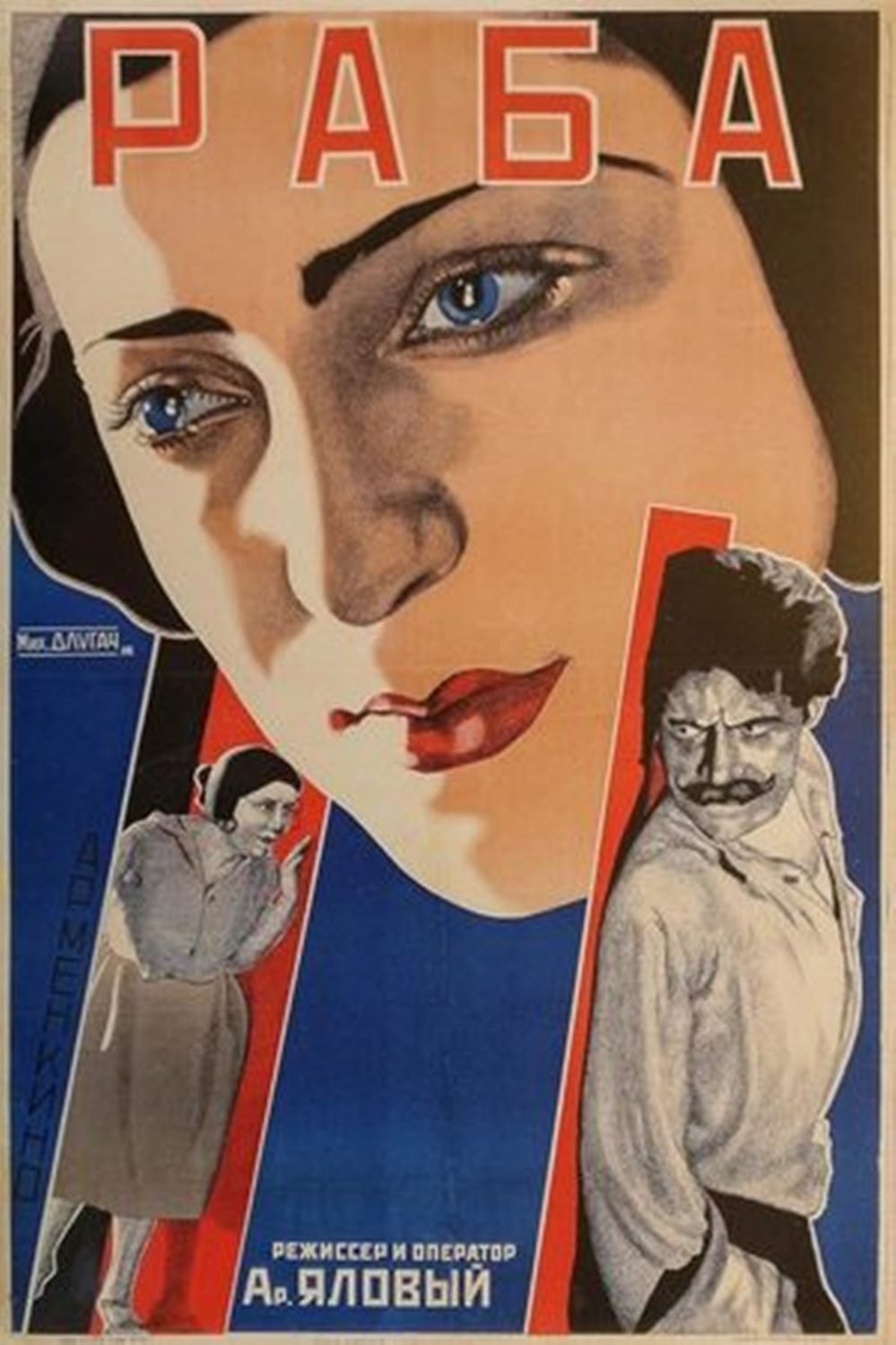
A Slave of St. George
The first banned film of Armenian cinema. The further screening of the film was forbidden in Soviet Armenia because of the scenes in a brothel. The People's Commissariat of Education banned the screening of the film in Armenia, citing the fact that the events depicted in the film are characteristic of the period of Dashnaktsutyun's rule and that in 1927-1928 the screening of such a film cannot play an educational role.
Insights
Plot Summary
The story follows a young woman who is deeply in love with a wealthy rancher. However, her father's gambling debts and a web of deceit threaten to tear them apart. She is forced into a difficult situation, leading to a dramatic confrontation and a fight for her happiness and freedom.
Critical Reception
As a silent film from 1928, specific critical reception data from the time is scarce. However, films of this era often focused on melodramatic plots and romantic entanglements, catering to a broad audience. Surviving descriptions suggest it was a typical Western romance of its time, likely appreciated for its emotional drama and scenic settings.
What Reviewers Say
Melodramatic plot centered on love and debt.
Features typical Western settings and romantic themes of the era.
Likely served as light entertainment for audiences of the late 1920s.
Google audience: Information on Google user reviews for this specific silent film is not available due to its age and the shift in review platforms.
Fun Fact
Silent films like 'A Slave of St. George' were often accompanied by live music, and sometimes sound effects, played in the theater to enhance the audience's experience.
AI-generated overview · Verify ratings on official sources