Insights
Plot Summary
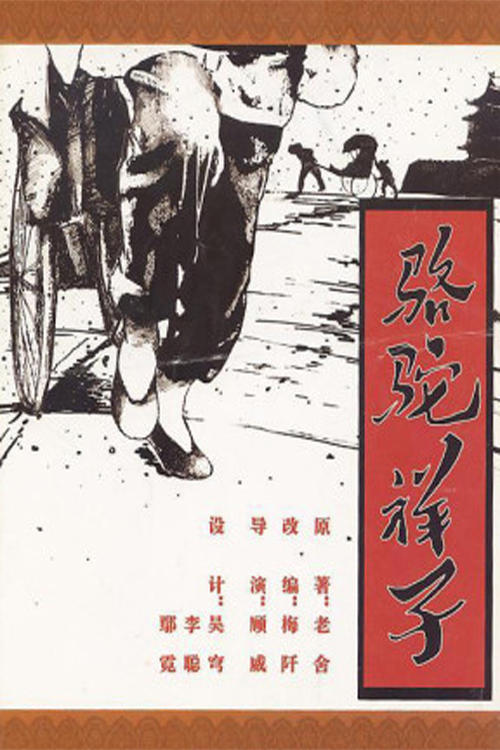
The film tells the story of Xiangzi, a young, strong, and honest rickshaw puller in Beijing during the 1920s. Driven by his dream of owning his own rickshaw, Xiangzi endures immense hardship and exploitation. He faces repeated setbacks, including having his rickshaw confiscated by soldiers, losing his love, and falling into despair, ultimately symbolizing the tragic fate of the working class under oppressive social conditions.
Critical Reception
The 1980 film adaptation of Lao She's novel 'Camel Xiangzi' is widely acclaimed for its powerful portrayal of social injustice and the struggles of the working class in early 20th-century China. It is often praised for its faithful adaptation of the source material, strong performances, and evocative cinematography, making it a significant work in Chinese cinema.
What Reviewers Say
Praised for its faithful and poignant adaptation of Lao She's classic novel.
Commended for its realistic depiction of poverty and the harsh realities faced by rickshaw pullers.
Acclaimed for strong performances and directing that captures the spirit of the era.
Google audience: Audience reception on Google platforms is limited due to the film's age and specific regional distribution, but it is generally regarded as a culturally significant and artistically valuable film within China, often studied for its social commentary.
Awards & Accolades
Nominated for the Golden Prize at the 12th Moscow International Film Festival.
Fun Fact
The film was a significant undertaking for Chinese cinema at the time, aiming to bring a classic literary work to the screen with artistic integrity and social commentary, and it was one of the first Chinese films to gain international recognition after the Cultural Revolution.
AI-generated overview · Verify ratings on official sources